Let’s be honest: planning for a baby is exciting, but planning for your own recovery often takes a backseat. Once the adrenaline wears off, the reality of what your body just went through kicks in.
As a mom and health practitioner, I’ve been there. I know the “waddle” all too well. While hospital nurses might offer you a frozen medical glove wrapped in gauze, your sensitive areas deserve better.
We found the best postpartum ice packs to help soothe the soreness and reduce swelling. These picks are designed specifically for your perineum, offering flexibility, comfort, and leak-free relief so you can focus on snuggling that new baby.
- Pack of two
- With 5 reusable, washable covers
- Fit securely in underwear
- Comes with a travel bag
- One-year warranty
- Stays cold for a long time
Why Postpartum Ice Packs Are Essential
If you are a veteran mom, you likely remember those first few days after delivery vividly. During my first pregnancy, I prepared the nursery perfectly but forgot to prepare for my own physical recovery.
Childbirth is beautiful, but it is also physically traumatic. Whether you have stitches, general soreness, or swelling, the area needs tender loving care. Vaginal soreness and swelling are standard parts of the process.
Ice packs designed specifically for the perineal area are game-changers. Unlike a standard square ice pack from your freezer, these are shaped to fit your underwear and provide targeted relief exactly where it hurts. They reduce inflammation, numb pain, and help you sit down without grimacing.
Factors to Keep in Mind
Not all ice packs are created equal. Some are disposable, while others are reusable. Here are the features you should look for to ensure you get the most relief possible.

Cooling Capabilities
Cold therapy, or cryotherapy, is the most effective way to treat immediate postpartum swelling. However, traditional ice melts quickly and leaves a wet mess in your pants.
You need an ice pack that stays cold for at least 20 minutes but doesn’t sweat or leak as it warms up. Gel-based packs are superior here because they don’t turn into water.
Look for gel technology that remains flexible even when frozen. A rock-hard block of ice against a sore perineum is not comfortable. Flexible gel molds to your body for better contact and relief.
Cooling technology addresses several issues:
- Perineal pain: Your perineum stretches significantly during birth. Cold packs numb the nerves and soothe tearing or stitches (1).
- Hemorrhoids: Many moms develop hemorrhoids during the pushing phase. Ice is excellent for shrinking swollen veins and reducing itching.
- Breast swelling: When your milk comes in, your breasts may feel rock hard and painful. Cold therapy after nursing can reduce inflammation (2).

Dual-Action Heating
While ice is king for the first 48 hours, heat becomes your best friend shortly after. Many reusable gel packs can be microwaved or submerged in hot water to become warm compresses.
Heat increases blood flow, which relaxes muscles and aids in healing after the initial swelling goes down.
Packs that double as heat pads help with:
- Milk flow: Applying heat before nursing can trigger your let-down reflex and help milk flow (3).
- Afterpains: As your uterus shrinks back to size (involution), you will feel cramping similar to menstrual cramps. Heat on your lower abdomen provides significant relief.
- Backaches: Labor puts a strain on your back muscles. A warm perineal pack can easily be moved to your lower back to soothe soreness.

Absorbency vs. Reusability
You have two main categories to choose from: reusable gel packs or disposable “crack-and-cool” absorbent pads.
Many moms love the DIY “padsicle” method, freezing maxi pads soaked in witch hazel.
However, store-bought options are less messy.
- Reusable Gel Packs: These do not absorb blood. You must wear them inside a sleeve or place them on top of your maternity pad. They are eco-friendly and often colder, but require a freezer.
- Disposable Instant Packs: These are often used in hospitals. You snap them to activate the chemical cooling agent. They double as a maxi pad to absorb lochia (postpartum bleeding). They are convenient for the first few days but generate more waste.
Product Reviews
We tested durability, comfort, and cooling time to bring you these top 5 picks for your recovery kit.
TendHer Reusable Cooling Pad
Best All-Around Ice Pack

TendHer pads are created by moms who understand exactly what recovery feels like. The design is slim and contoured, meaning it fits right into your underwear without feeling like you are sitting on a brick.
We love the versatility here. You can freeze them for perineal trauma or hemorrhoids, or warm them up to soothe C-section incisions and menstrual cramps later on.
The filling is food-grade and vegan. This is a nice safety bonus if a leak were to happen, though the construction feels sturdy. The sleeves provided are soft and washable, adding a layer of hygiene between the pack and your body.
Most importantly, the gel stays pliable when frozen. You can mold it to fit your curves, ensuring the cold gets exactly where you need it most.
Pros
- Includes two packs and five washable sleeves.
- Sleeves are soft and protect skin from direct cold burn.
- Form-fitting and discreet compared to bulky alternatives.
Cons
- Natural gel ingredients may degrade after a few months.
- Requires a freezer, so not instant.
Our Ratings
VagiKool Reusable Cold Pack
Most Hypoallergenic Ice Pack

If you have sensitive skin or latex allergies, VagiKool is a safe bet. It is made from medical-grade, non-toxic materials and is completely latex-free.
The pack is designed specifically to contour to the vaginal area. Because the gel remains soft when frozen, you get “contact cooling” across the entire area, rather than just the high points. Comfort is key when everything down there feels tender.
Like our top pick, VagiKool works for both hot and cold therapy. This makes it a useful tool for breastfeeding moms dealing with engorgement or clogged ducts.
It comes with a “comfort-fit” sleeve to keep things clean. However, since it only includes one sleeve, you will need to wash it frequently.
Pros
- Latex-free and hypoallergenic.
- Super flexible moldability for maximum contact.
- Durable construction prevents leaks.
- Made in an FDA-registered facility.
Cons
- Only comes with one cooling pad and one sleeve.
- Pricey for a single pack.
Our Ratings
Medline Deluxe Ice Pack
Most Convenient Ice Pack
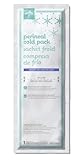
These are the “crack-and-cool” pads you may recognize from the hospital. Medline Deluxe pads are essentially heavy-duty maxi pads with a built-in instant ice pack.
Because they are disposable and instant, they are perfect for the first 48 hours or for tossing in your bag. You don’t need access to a freezer or a microwave. You simply fold the pad in half to pop the inner chemical bag, shake it, and it gets cold instantly.
They are highly absorbent, meaning they handle your postpartum bleeding (lochia) while icing your stitches. The adhesive strip keeps them securely attached to your mesh underwear so they don’t slide around.
Buying these in bulk (pack of 24) is a smart move for the first week of recovery.
Pros
- No freezer required; instant activation.
- Absorbs fluid while providing cold therapy.
- Adhesive strip keeps the pad in place.
- Hygienic, single-use design.
Cons
- Not reusable or eco-friendly.
- Can feel bulky, like a very large maxi pad.
Our Ratings
Gel Ice Cold Compress
Best Ice Pack for the Long Term

If you want an ice pack that serves a purpose long after your recovery, check out these compresses. They feature a simpler, oblong shape that works for perineal healing but also translates well to other injuries.
Once you are healed, these are great for icing a toddler’s bumped knee, a headache, or a sore elbow. They are tough, durable, and freeze quickly.
The packs come with a soft, attached fabric backing. This acts as a built-in barrier, so you don’t need a separate sleeve. You can place the fabric side directly against your skin (or underwear) for a gentle cooling effect.
While they aren’t as contoured as the VagiKool or TendHer options, they are versatile workhorses for the family first-aid kit.
Pros
- Includes a travel bag for hygiene.
- Fabric backing adds comfort without extra sleeves.
- 1-year warranty.
- Retains cold temperature well.
Cons
- Cold only; generally not recommended for heating.
- Slightly bulkier profile.
Our Ratings
IceWraps Perineal Cold Pack
Best Bang for the Buck

IceWraps offers a practical solution for moms on a budget. This set gives you reusable hot/cold therapy without the high price tag.
The packs are long and narrow (about 10 inches), providing full coverage from front to back. This is crucial if you have tearing that extends toward the anal area or if you are dealing with hemorrhoids.
They are made of medical-grade plastic that is easy to wipe down and sanitize. You can microwave them for heat or freeze them for cold.
However, note that these have squared-off edges. While the plastic is smooth, the corners can sometimes poke if you don’t position them carefully or wrap them in a soft cloth or sleeve (which is not included).
Pros
- Very affordable.
- Dual hot and cold functionality.
- Slim profile fits well in underwear.
- Easy to clean surface.
Cons
- Does not include fabric sleeves.
- Squared corners can be uncomfortable for some.
Our Ratings
FAQs

How Can I Speed Up My Postpartum Recovery?
Rest is your number one priority. Stay horizontal as much as possible, eat nutrient-dense foods, and stay hydrated. Use ice packs for swelling and sitz baths to keep the area clean. Don’t rush back into exercise; give your body the grace it needs to heal.
Should You Use Heat or Ice After Birth?
Use ice for the first 24 to 48 hours to restrict blood flow, reduce swelling, and numb acute pain. After the initial swelling subsides, you can switch to heat to increase blood flow, relax muscles, and soothe cramping.
Does Ice Help Stitches Heal Faster?
Ice does not speed up the biological healing of skin, but it reduces the inflammation and tension around the stitches. This makes them feel less “tight” and painful, which allows you to rest better, and rest is what actually heals you.
How Long Do You Keep Ice Packs on After Giving Birth?
Apply ice for 10 to 20 minutes at a time. Leave it off for at least an hour between sessions to let the tissue return to normal temperature. Never fall asleep with an ice pack on, as this can damage the skin.
When Should I Stop Using Ice Packs Postpartum?
Most moms stop using ice packs after the first week when the acute swelling goes down. However, if you have persistent hemorrhoids or soreness after activity, you can continue using them as needed. Always consult your doctor if pain persists.
Can I Use These Ice Packs for C-Section Recovery?
Yes. While you won’t wear them in your underwear for perineal relief, you can place them gently over your incision site (over your clothes or a towel) to reduce inflammation and itching as the scar heals.