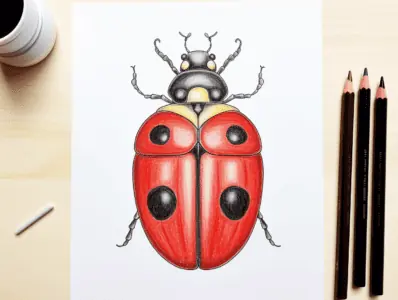
Get ready to spot some fun with our collection of ladybug coloring pages. Whether you call them ladybugs or ladybirds, these beloved beetles are a favorite among children and gardeners alike.
We have curated a variety of designs for all ages. You will find simple outlines for toddlers building fine motor skills and realistic sketches for older kids interested in nature. Grab your red crayons, markers, or colored pencils to bring these cute critters to life.
Simple Ladybug Outline
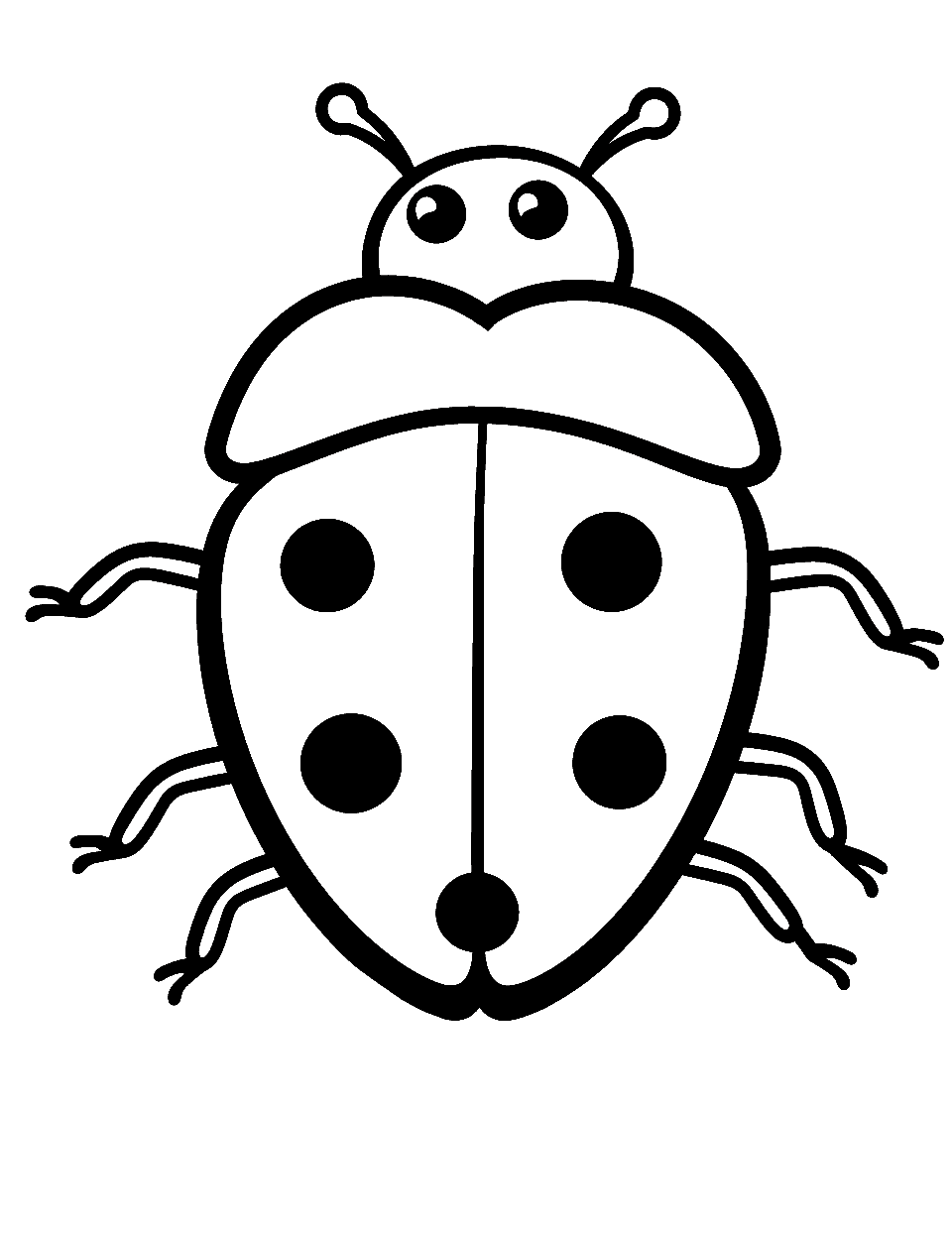
Ladybug on a Leaf
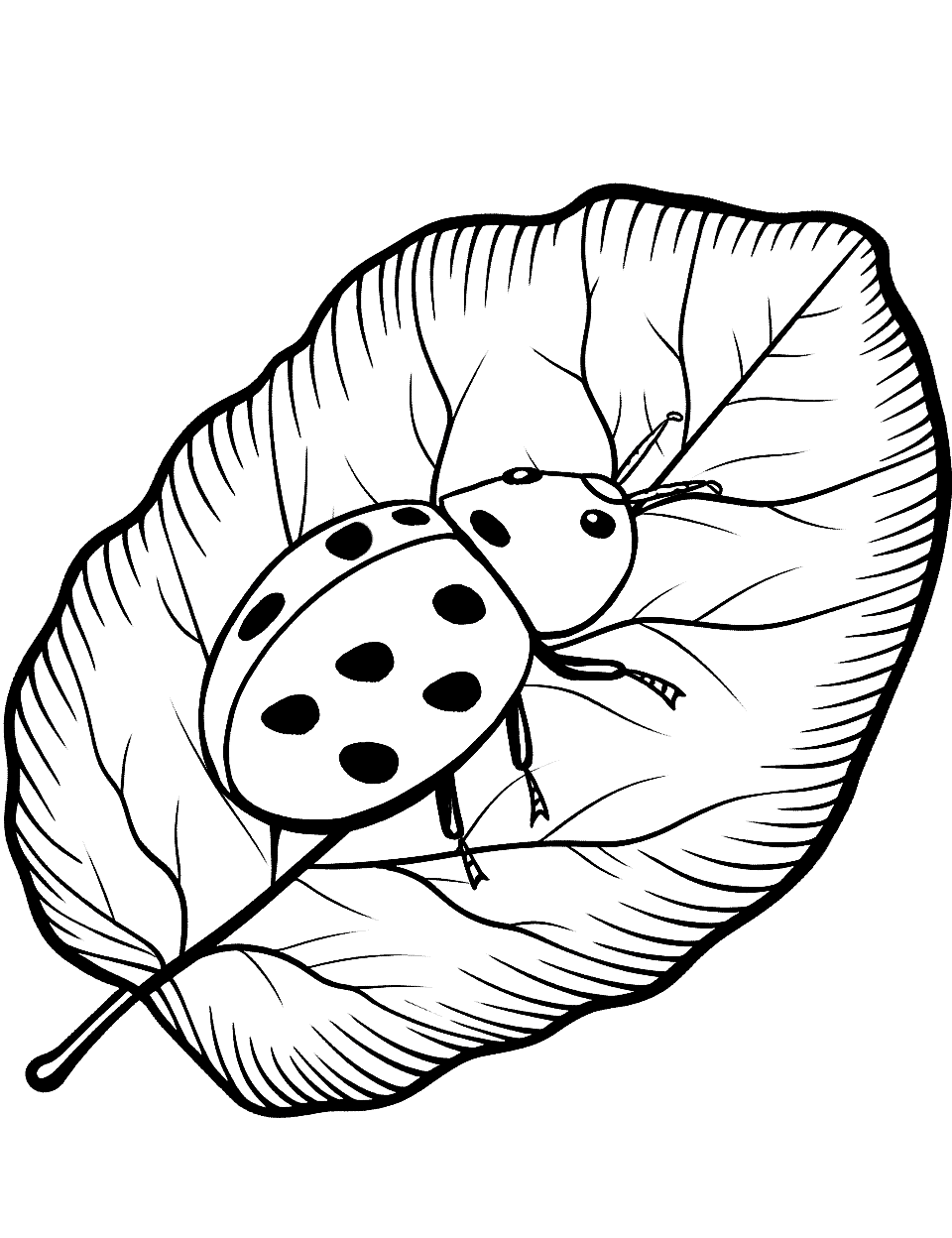
Realistic Ladybug Close-Up
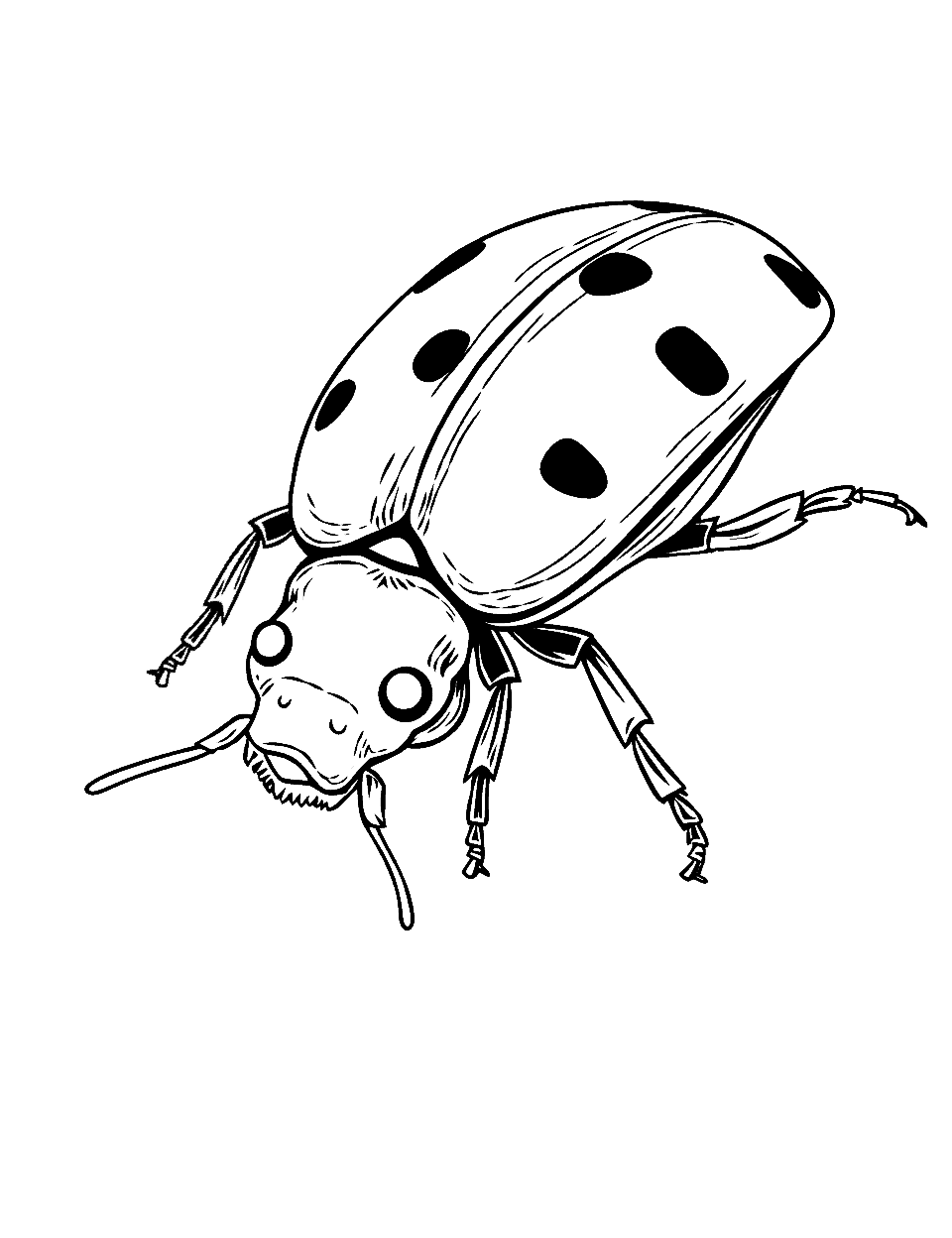
Baby Ladybug Learning to Crawl
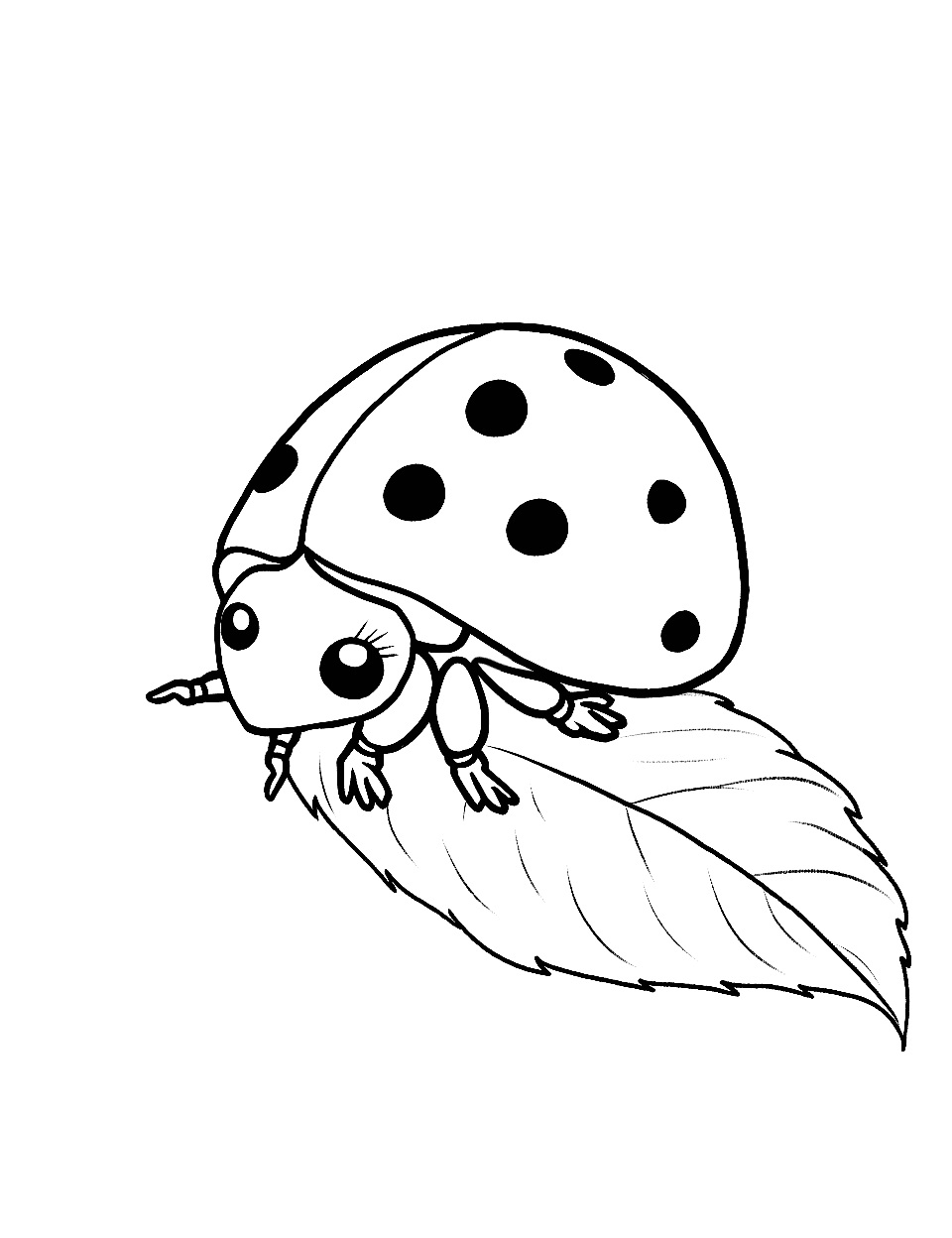
Easy Ladybug for Beginners
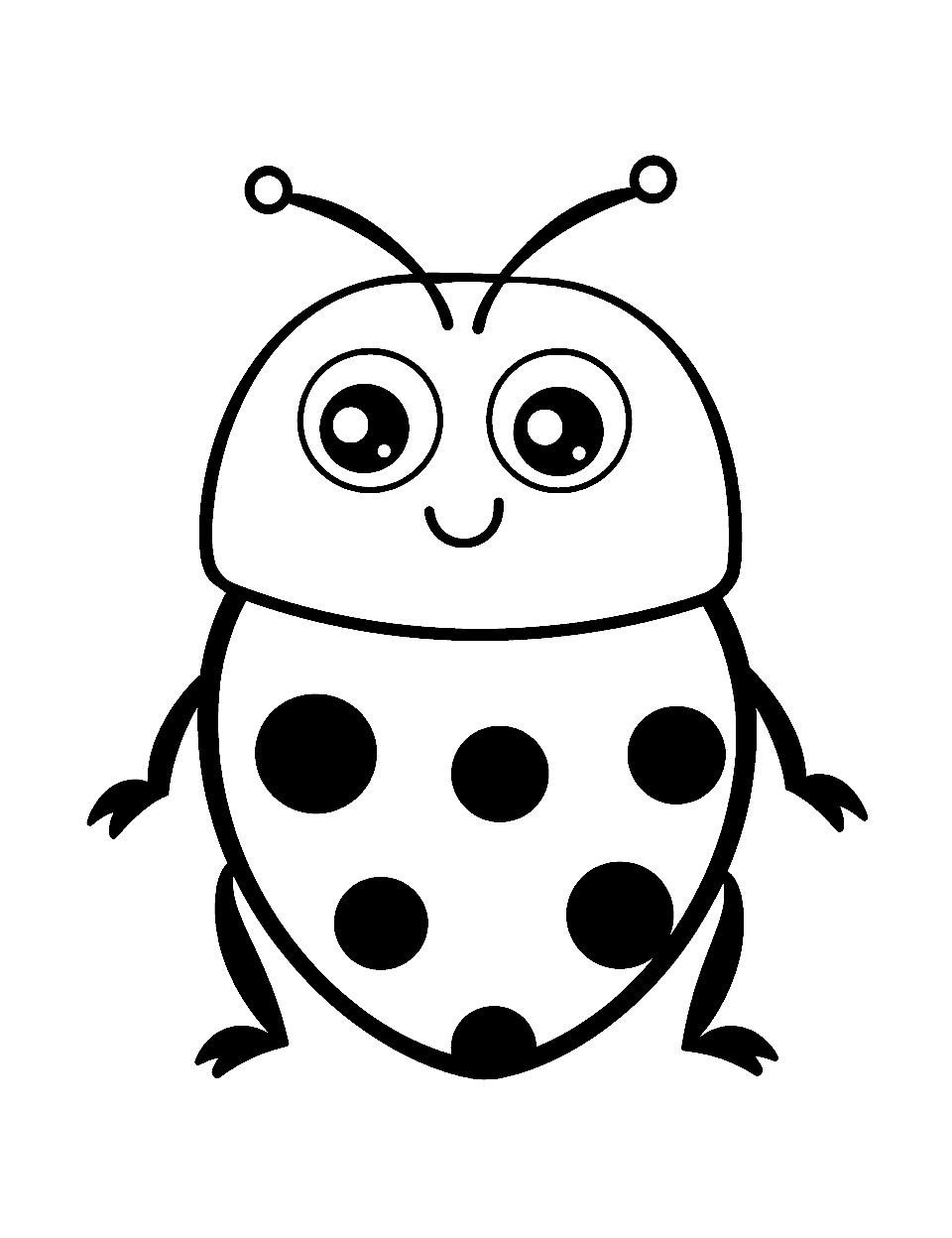
Small Ladybug on a Big World
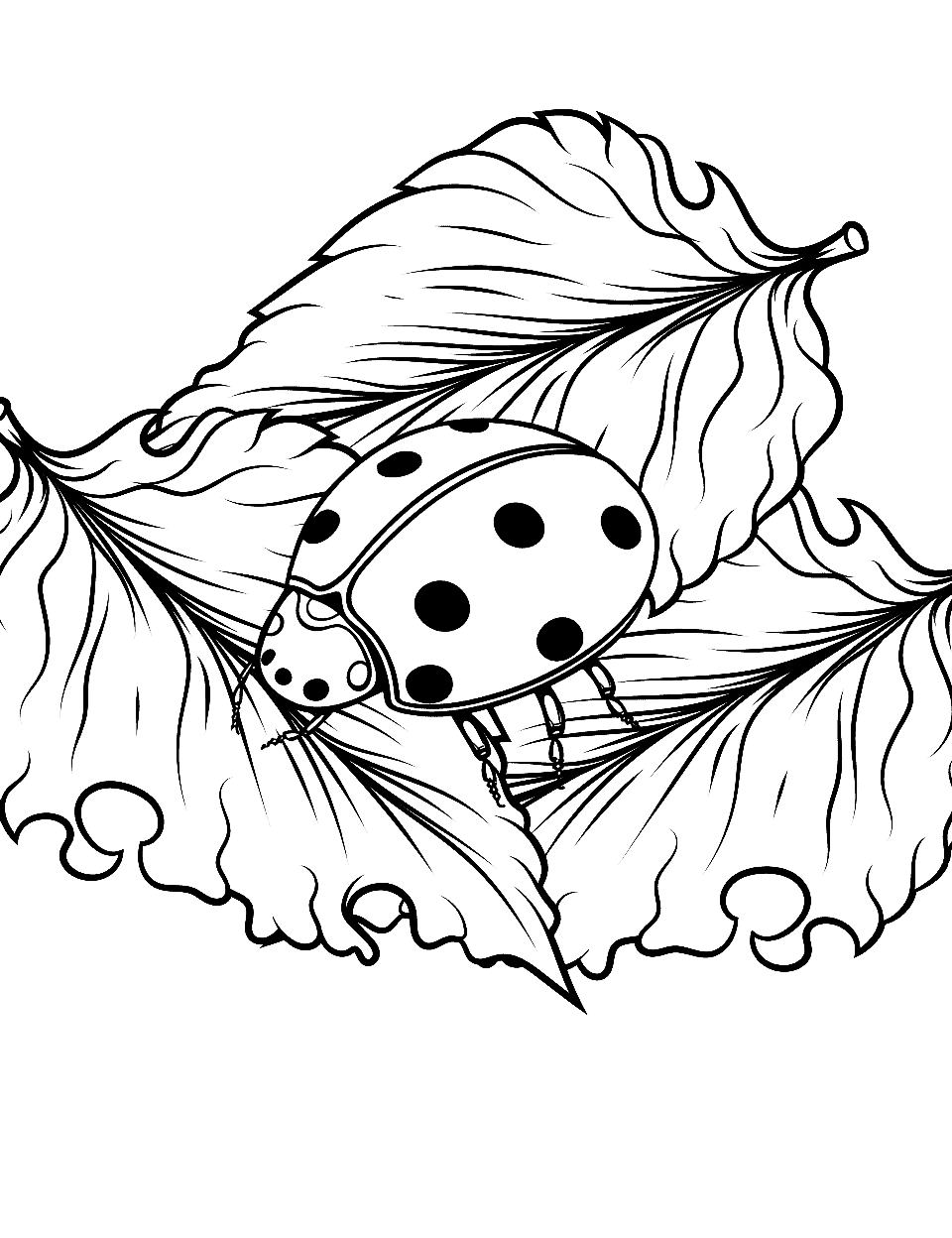
Baby Ladybug's First Steps
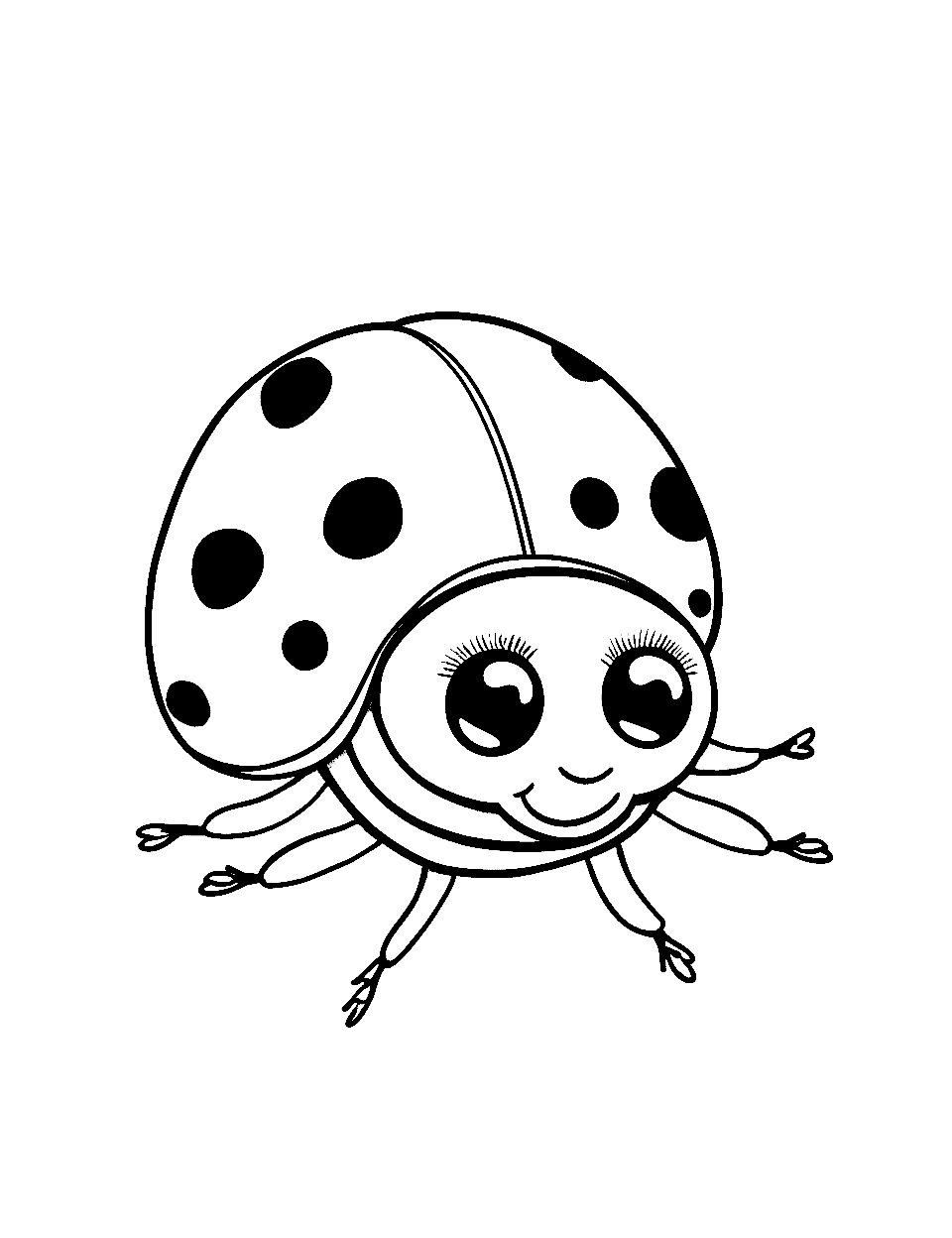
Super Ladybug Pose
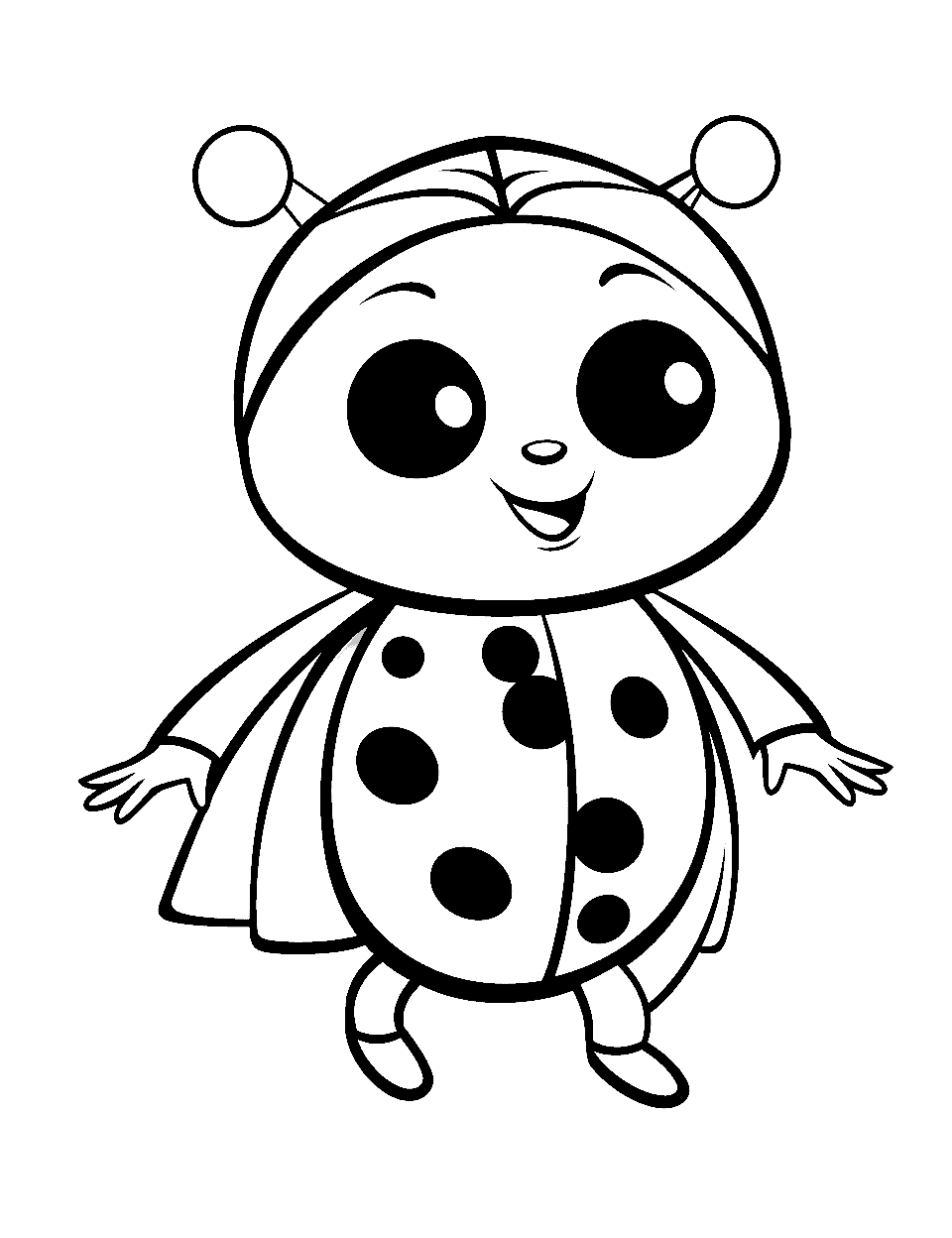
Ladybug on the Hunt
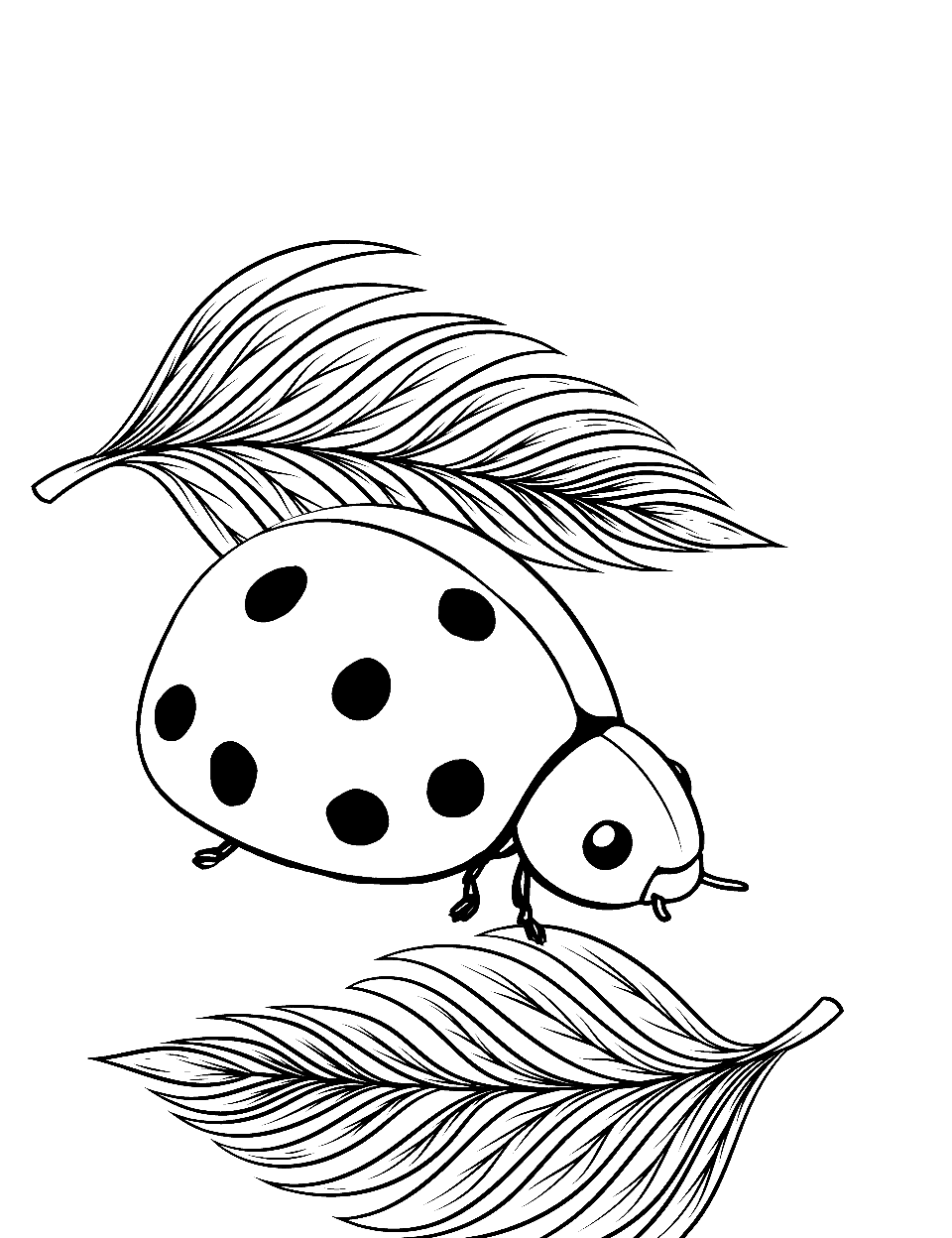
Seven-Spot Ladybird on a Journey
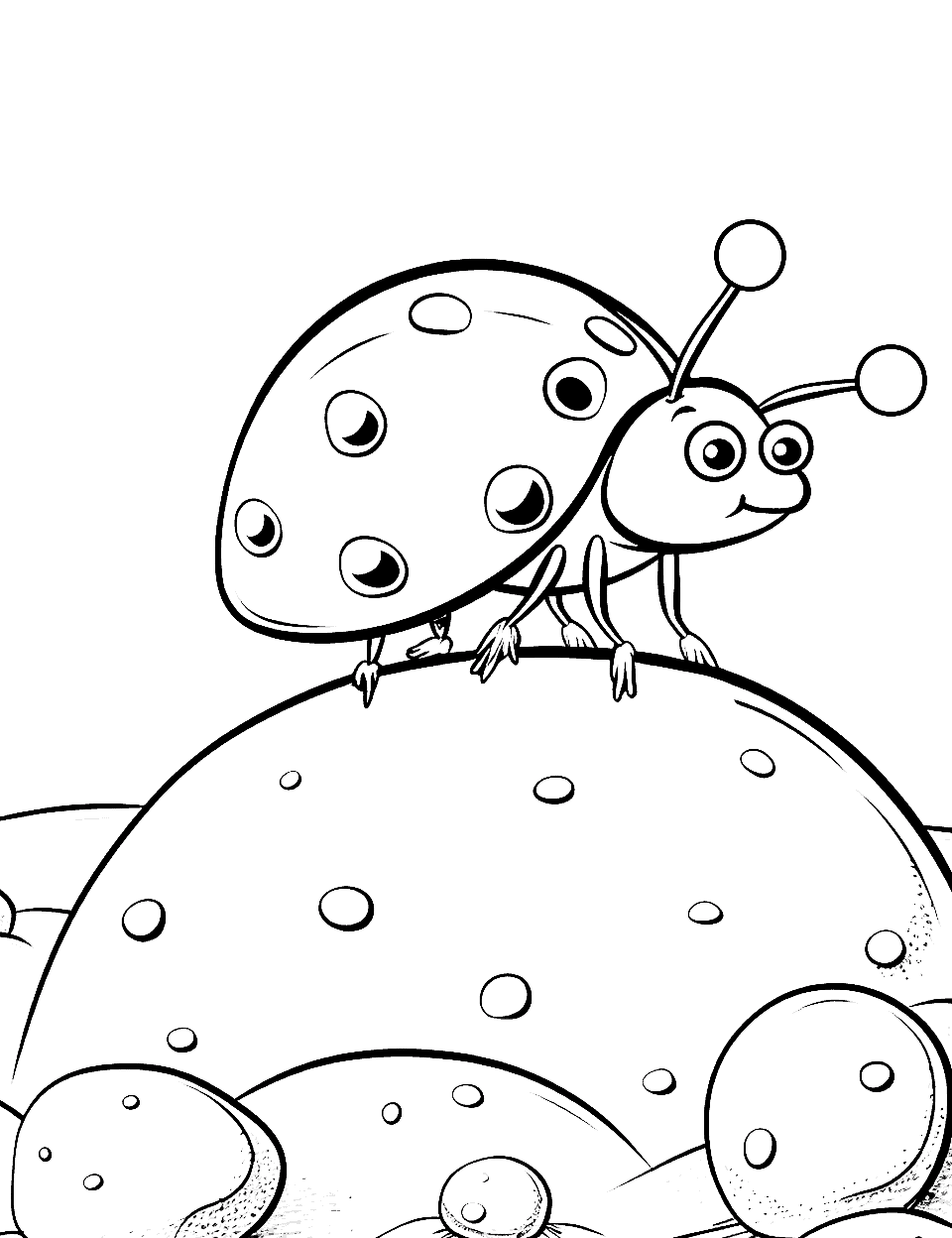
Ladybird Beetle Friends Meeting
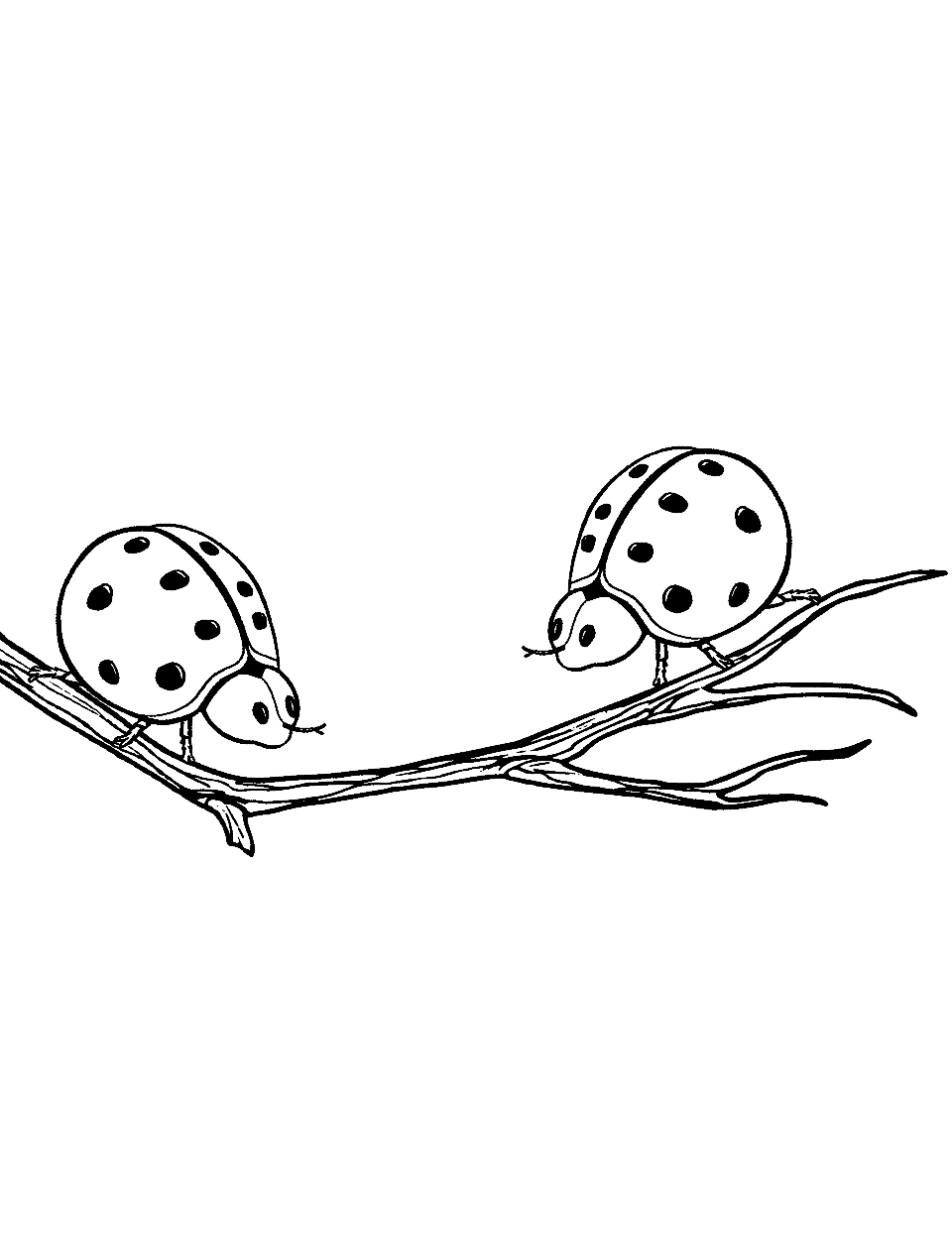
Ladybug Climbing a Blade of Grass
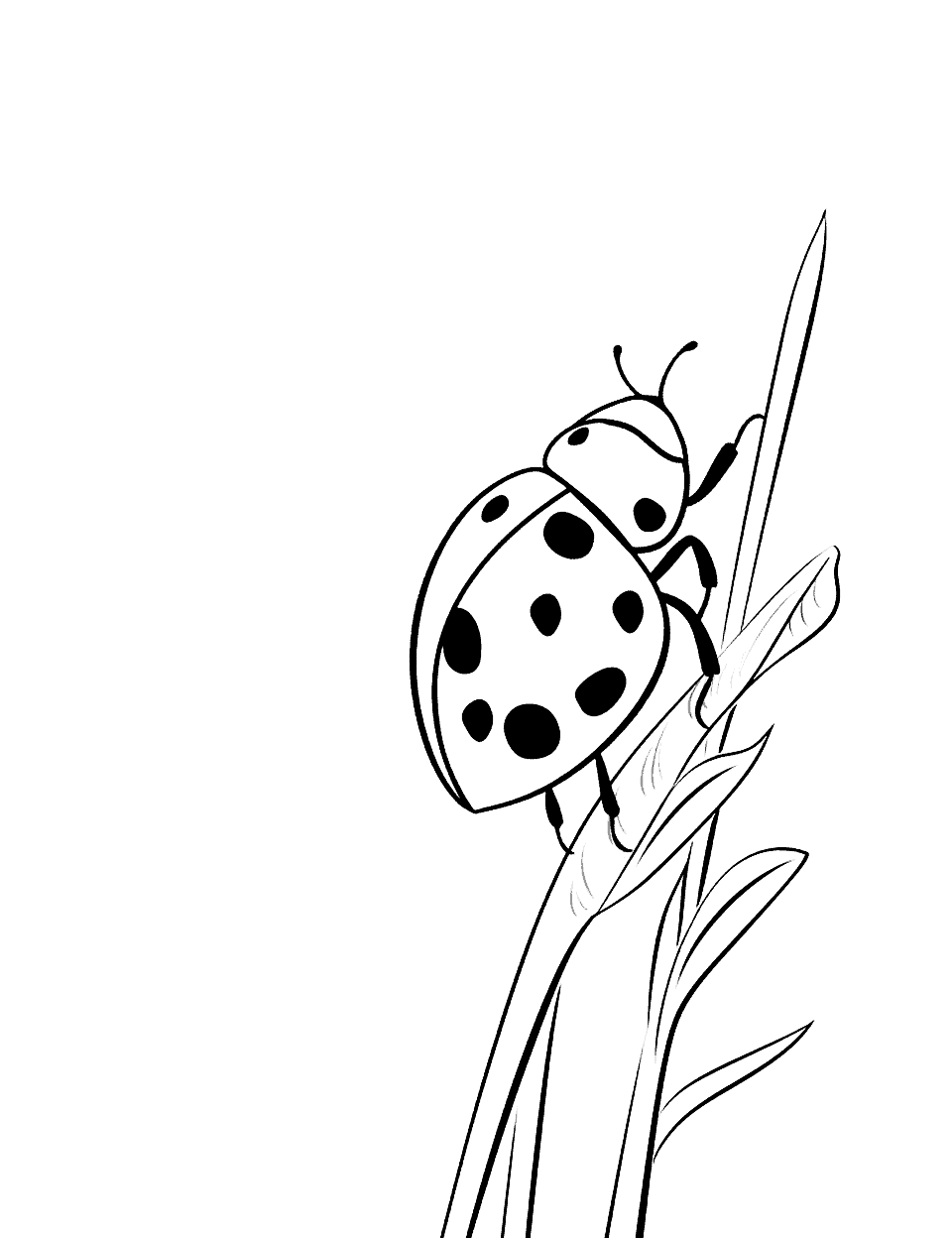
Super Ladybug
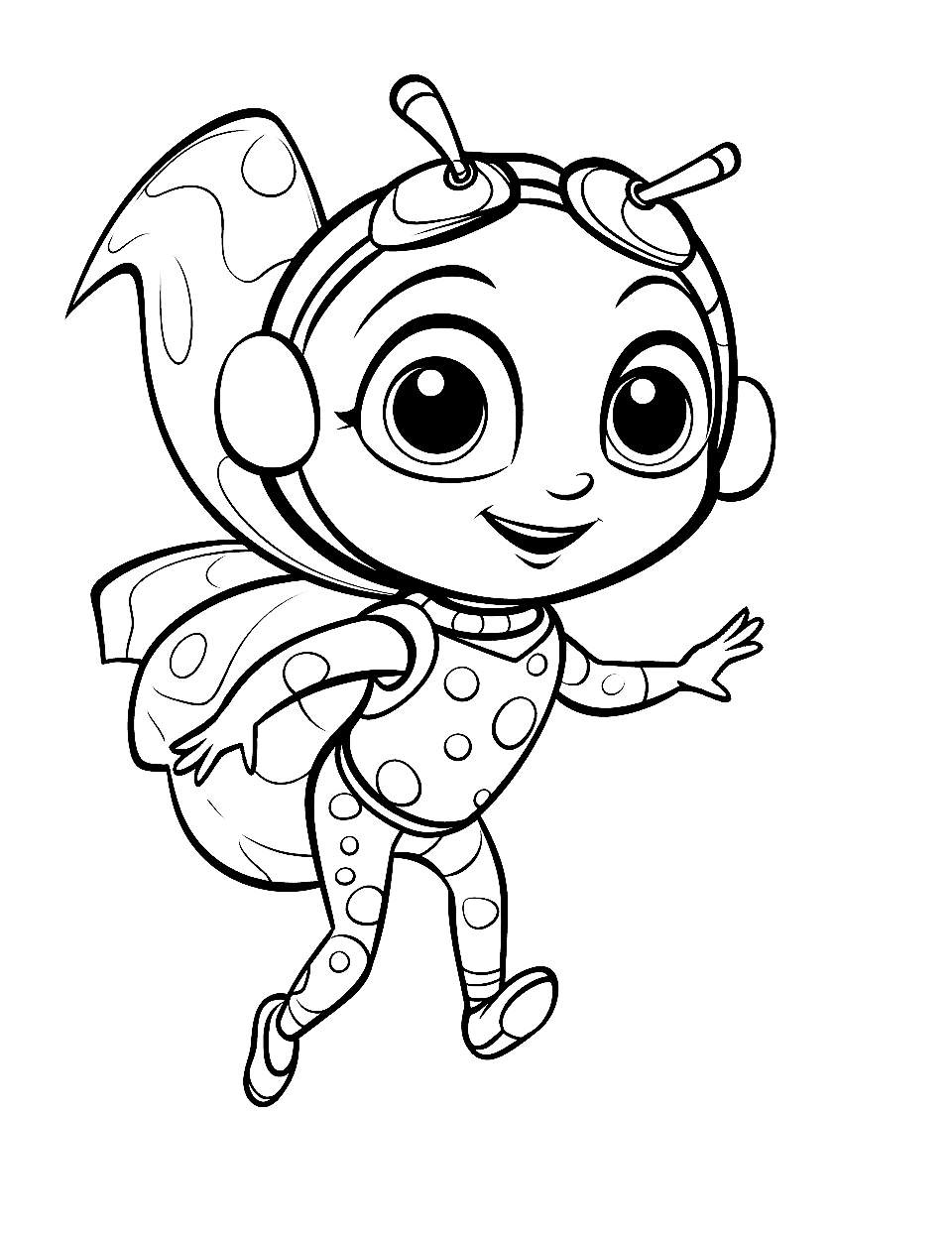
Sunbathing Ladybug
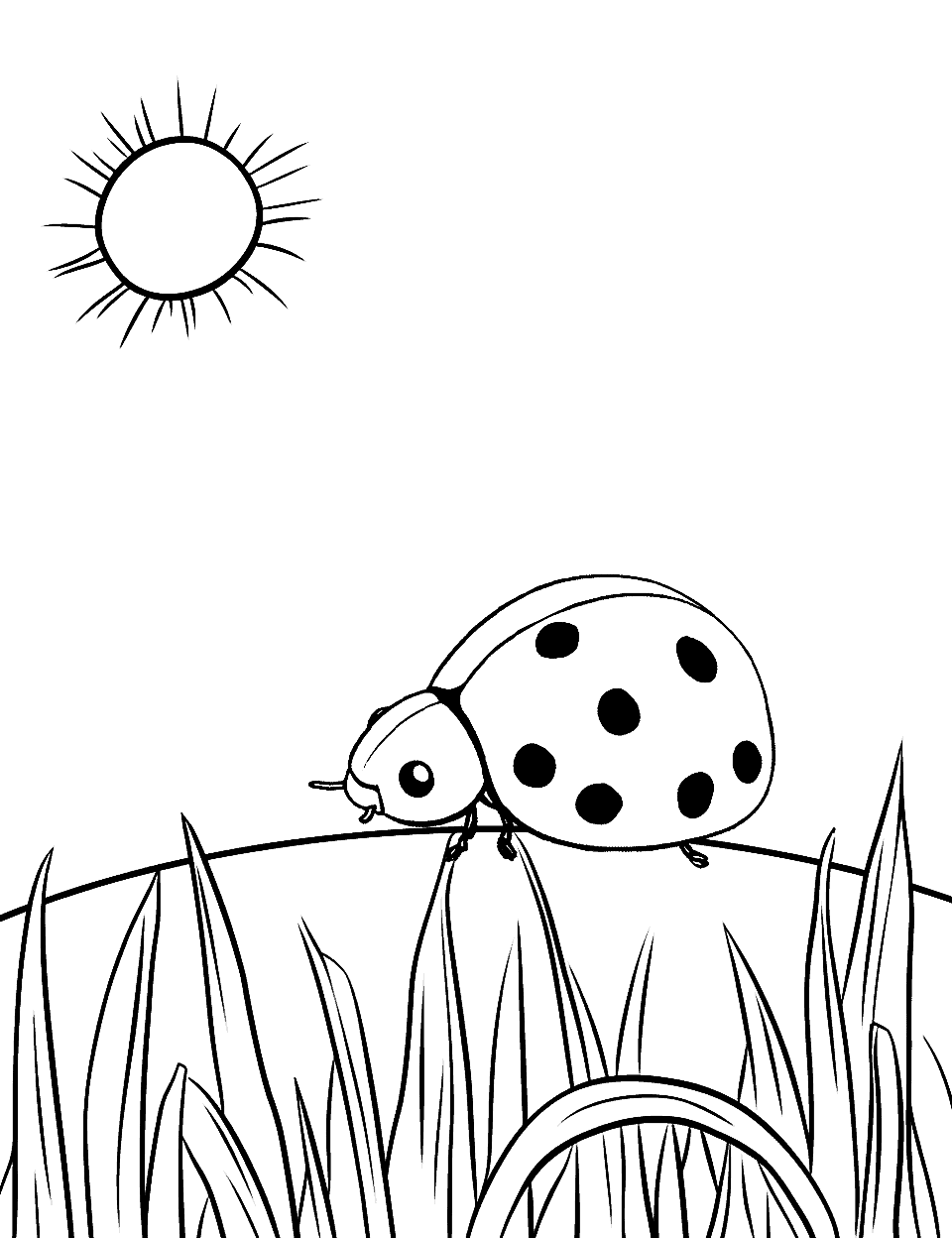
Curious Ladybird Beetle
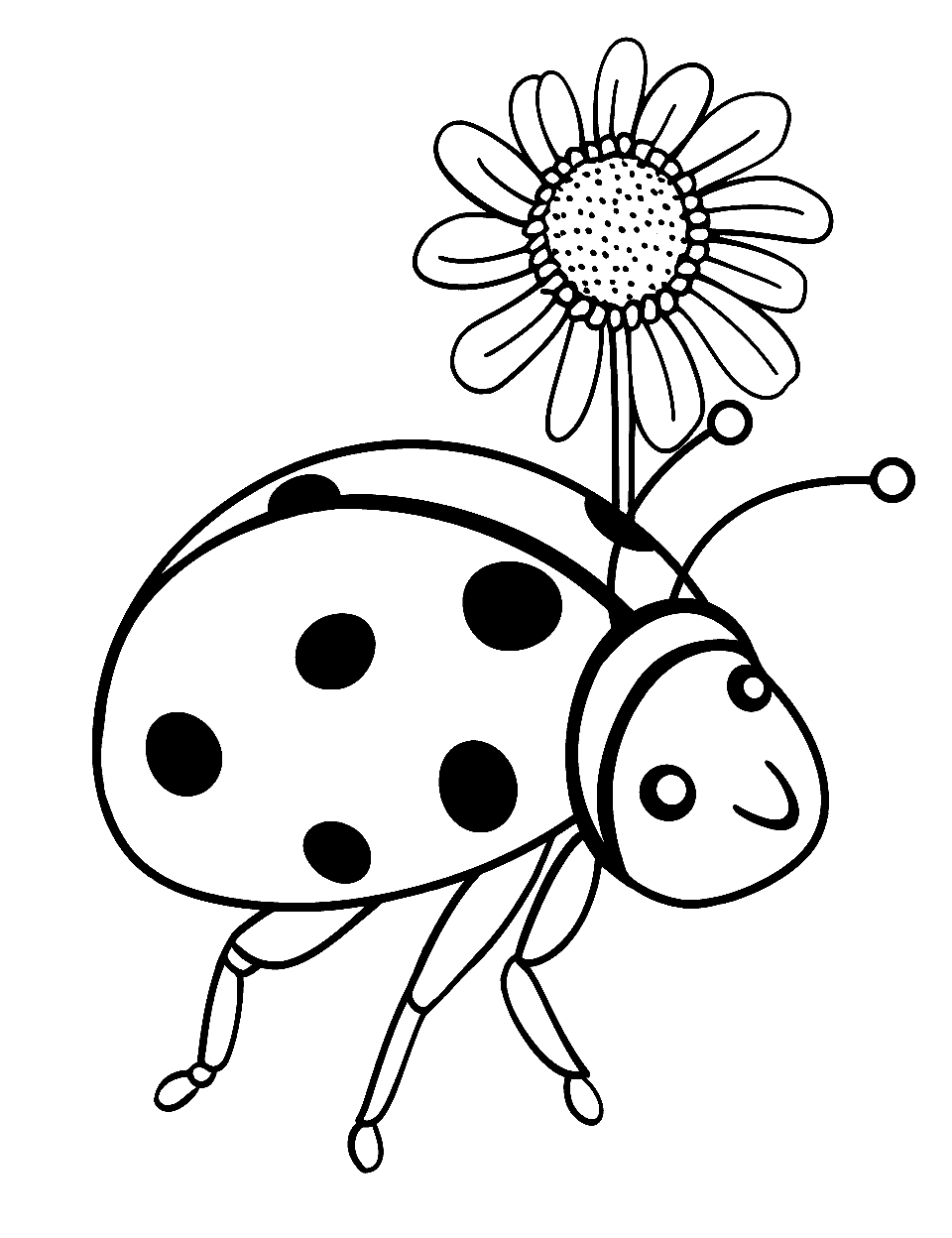
Beetle and Ladybug Side by Side
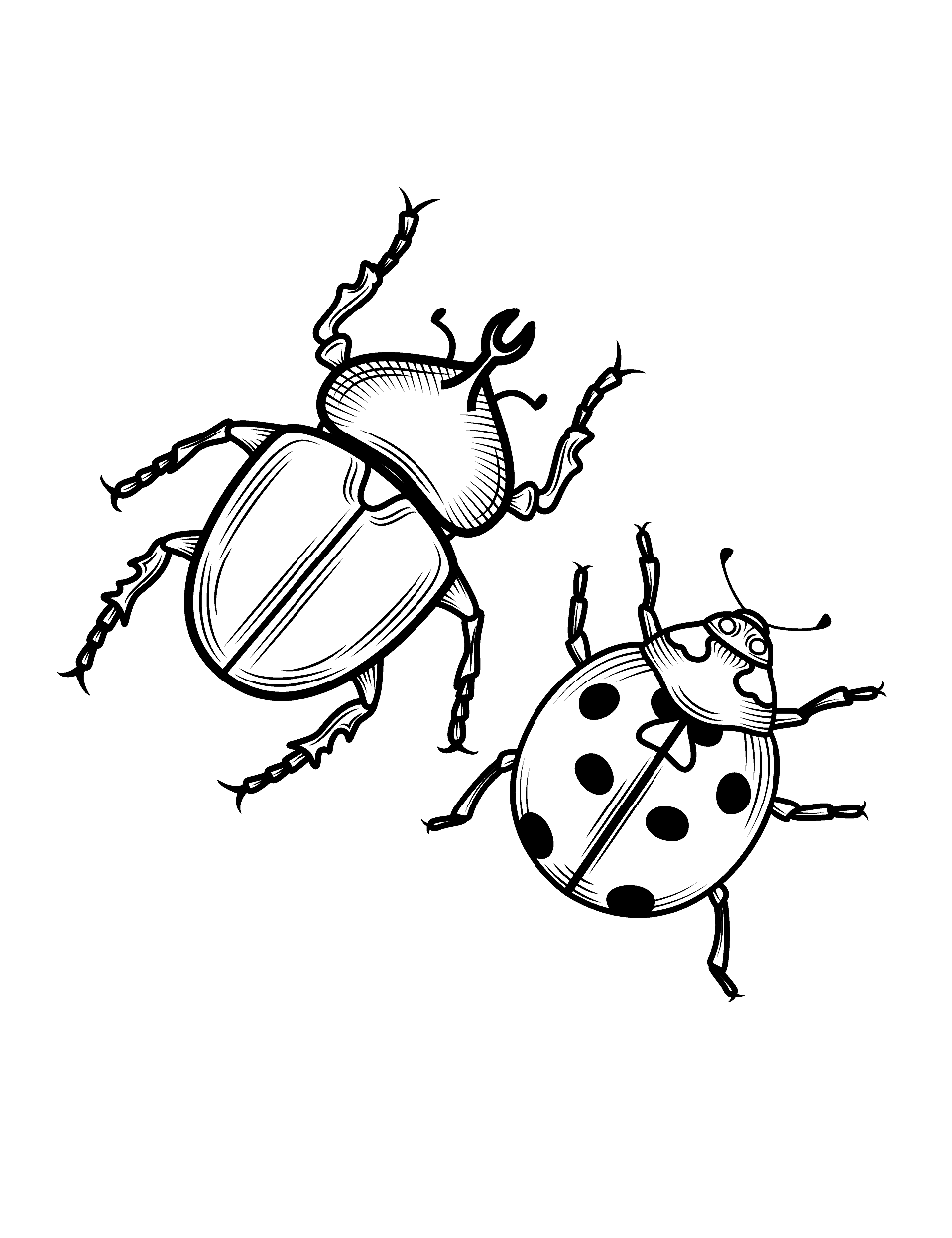
Ladybug on a Leaf
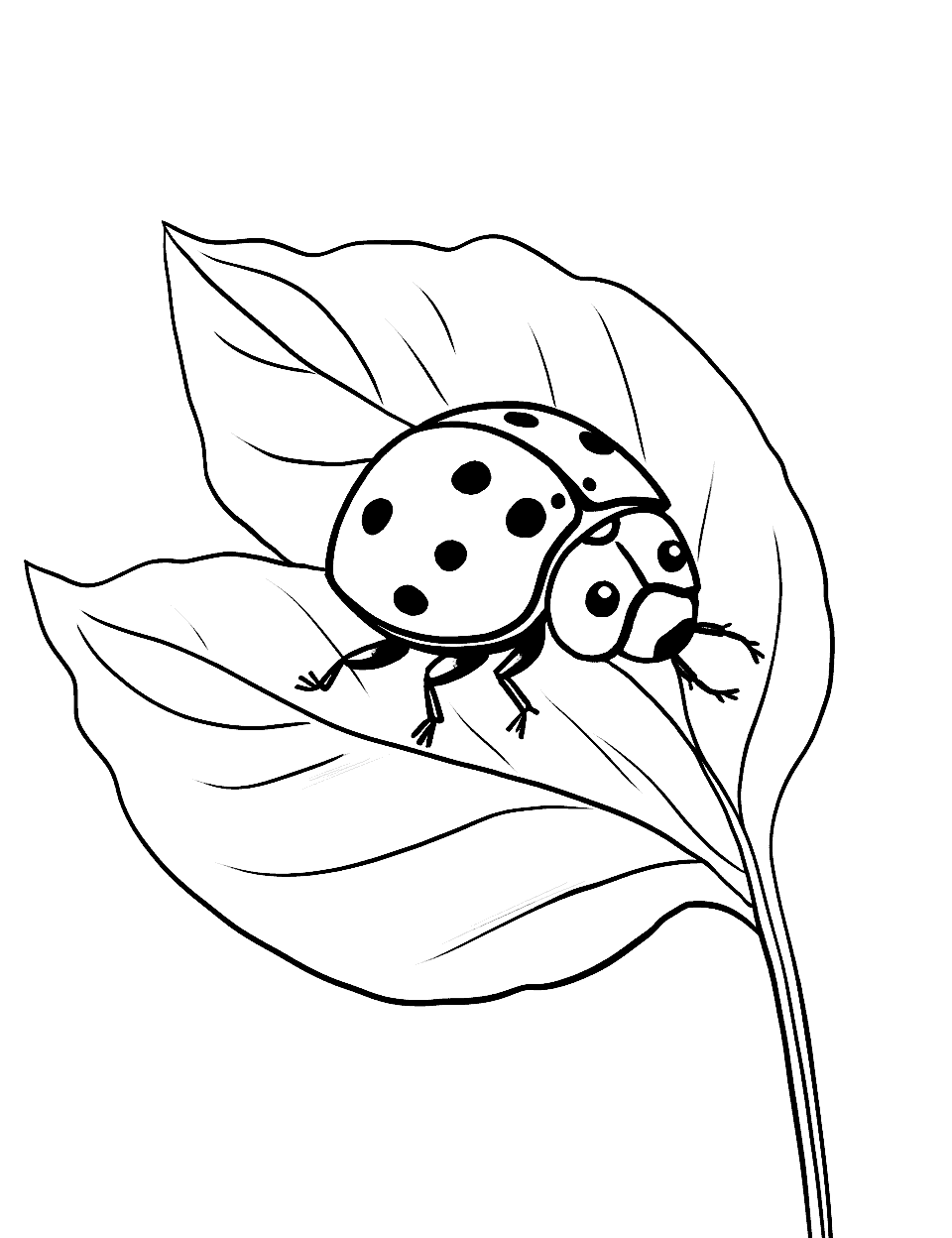
Heroic Super Ladybug
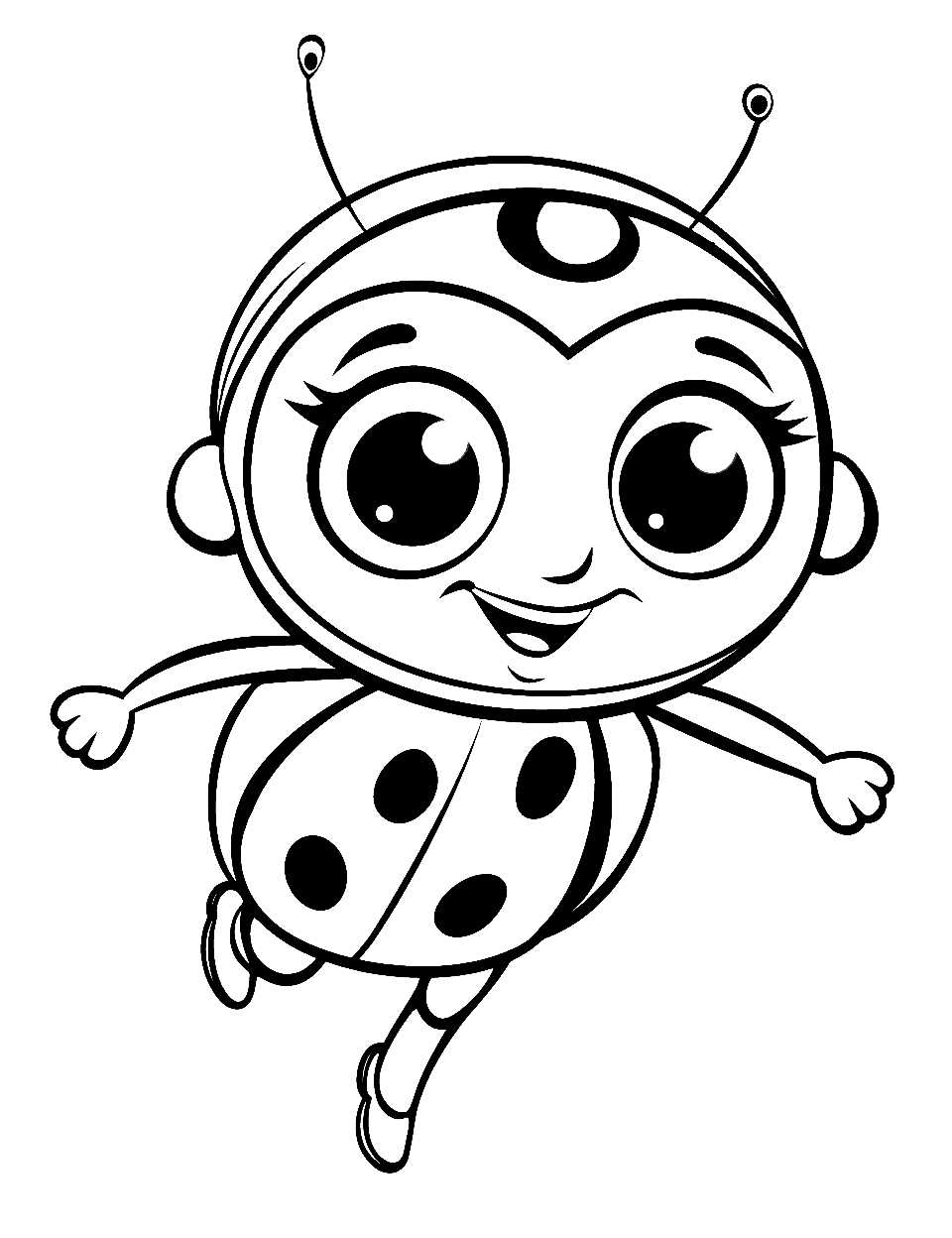
Ladybug Enjoying a Peaceful Day
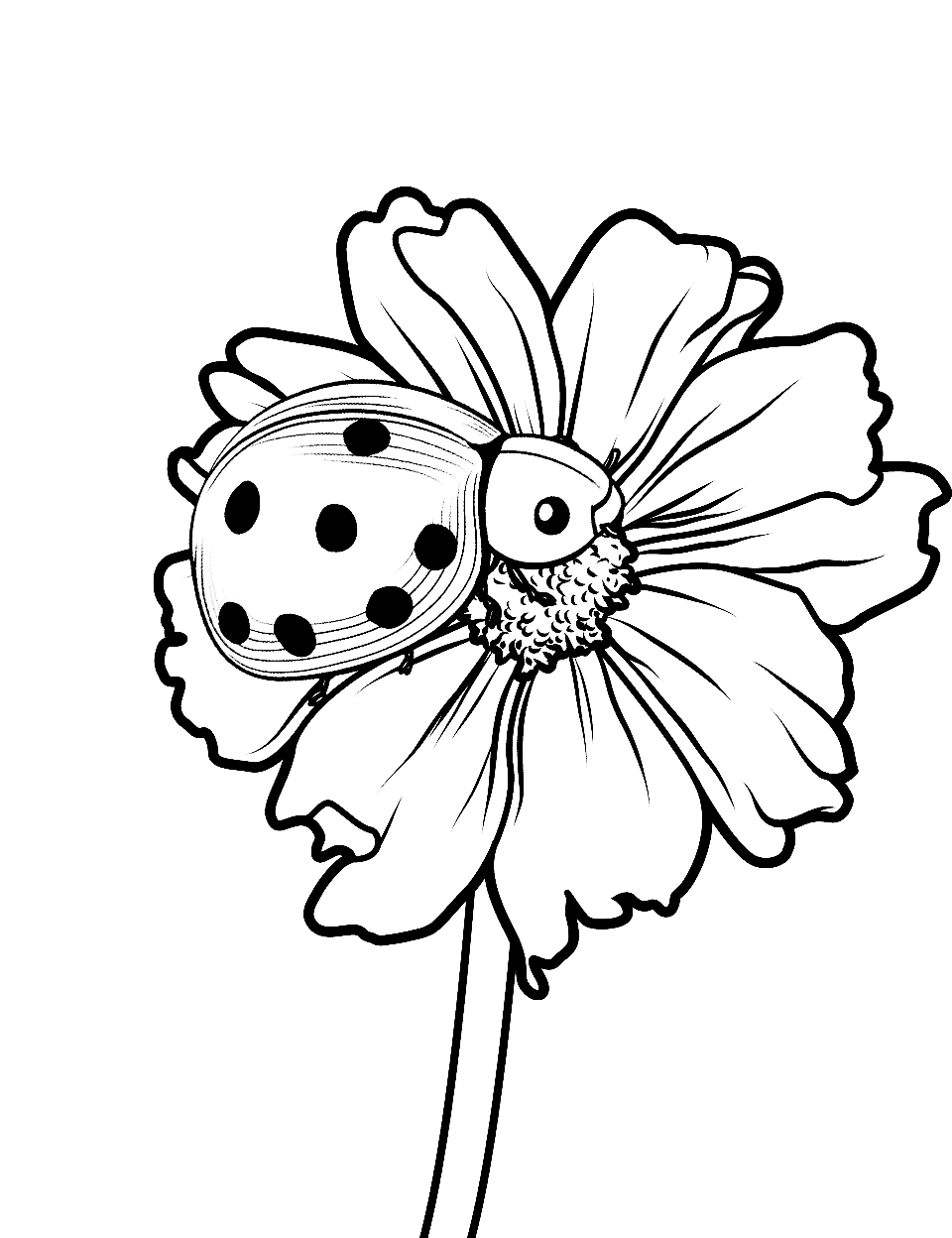
Ladybird Adventure on a Branch
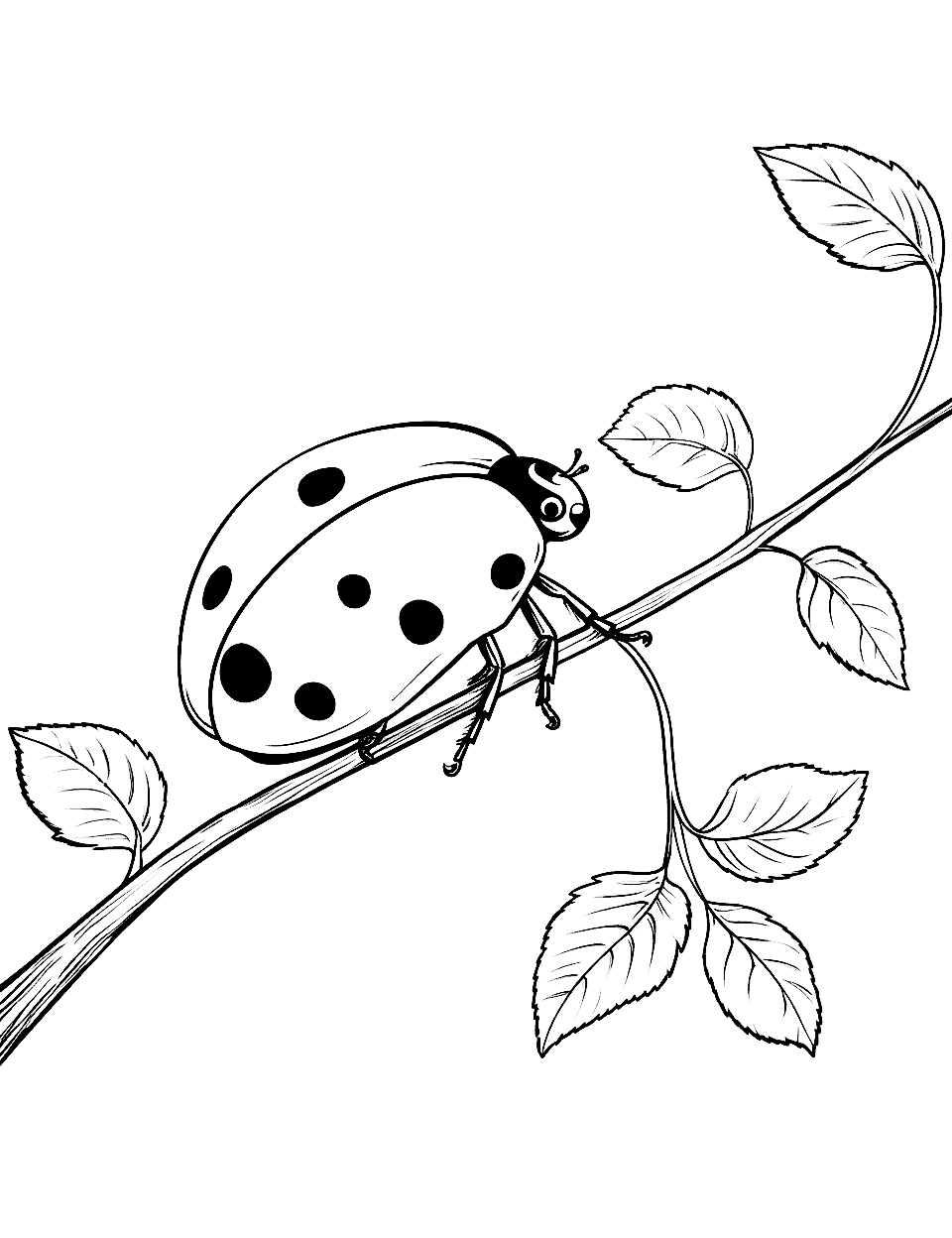
Baby Ladybug's Discovery
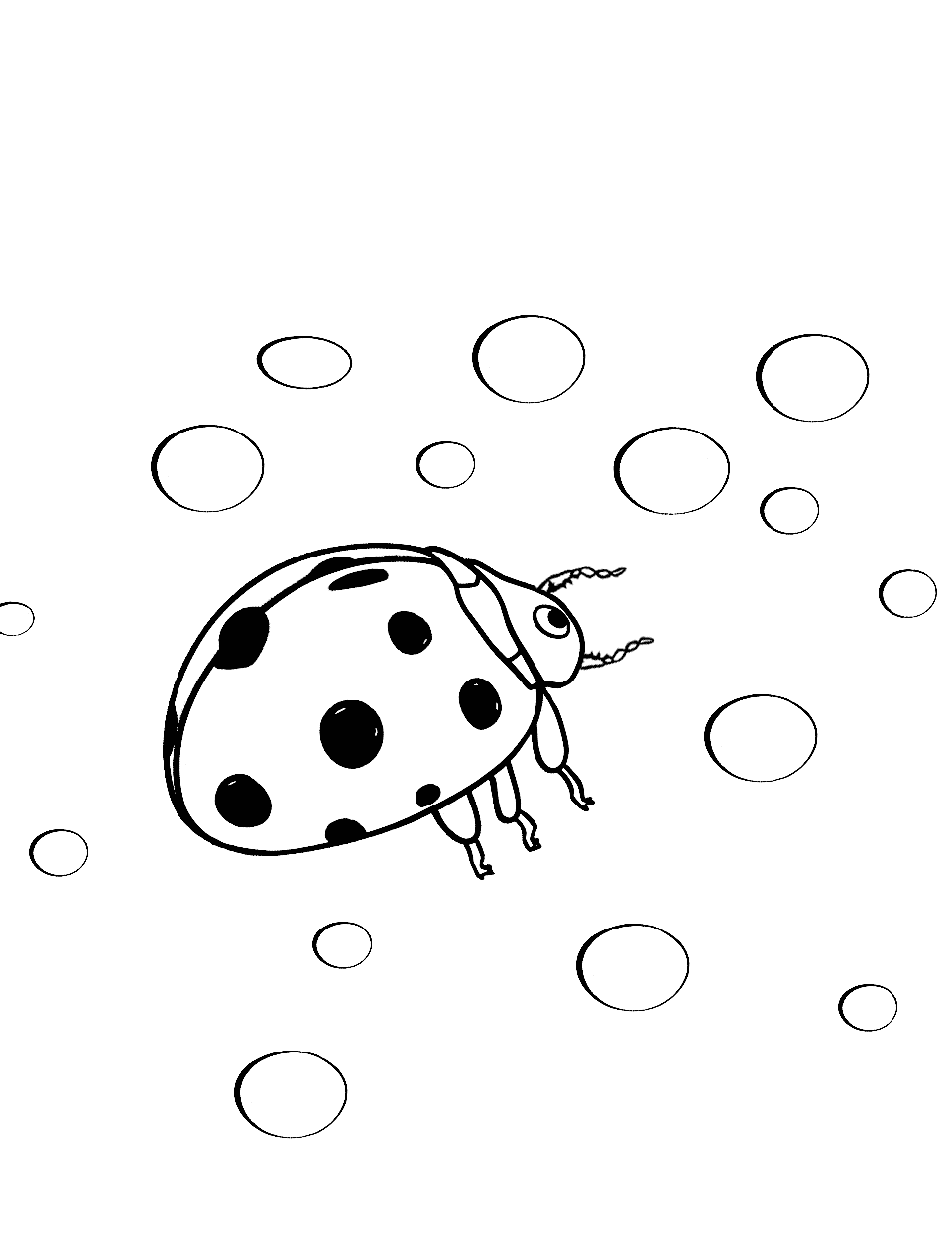
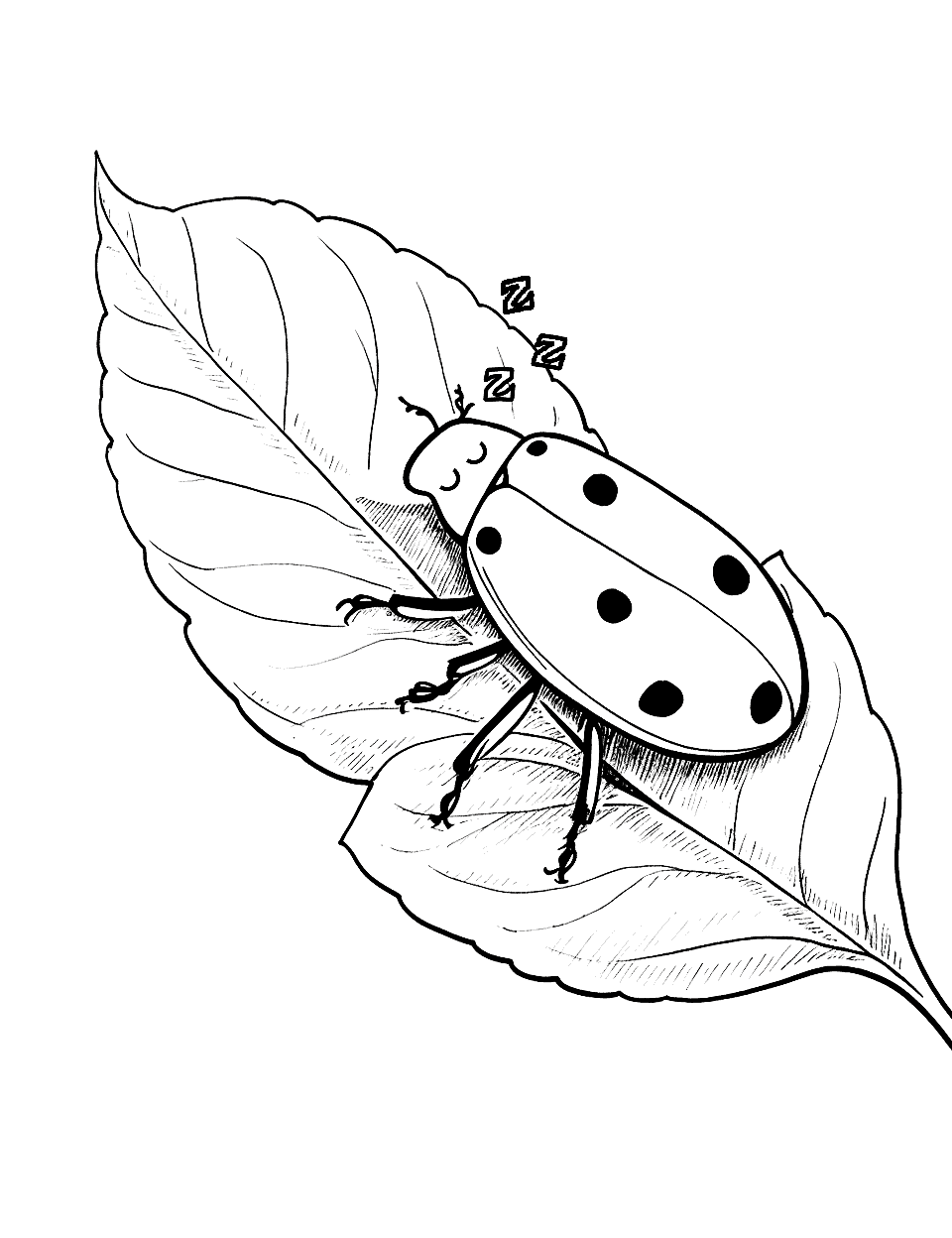
Lazy Afternoon for a Ladybug
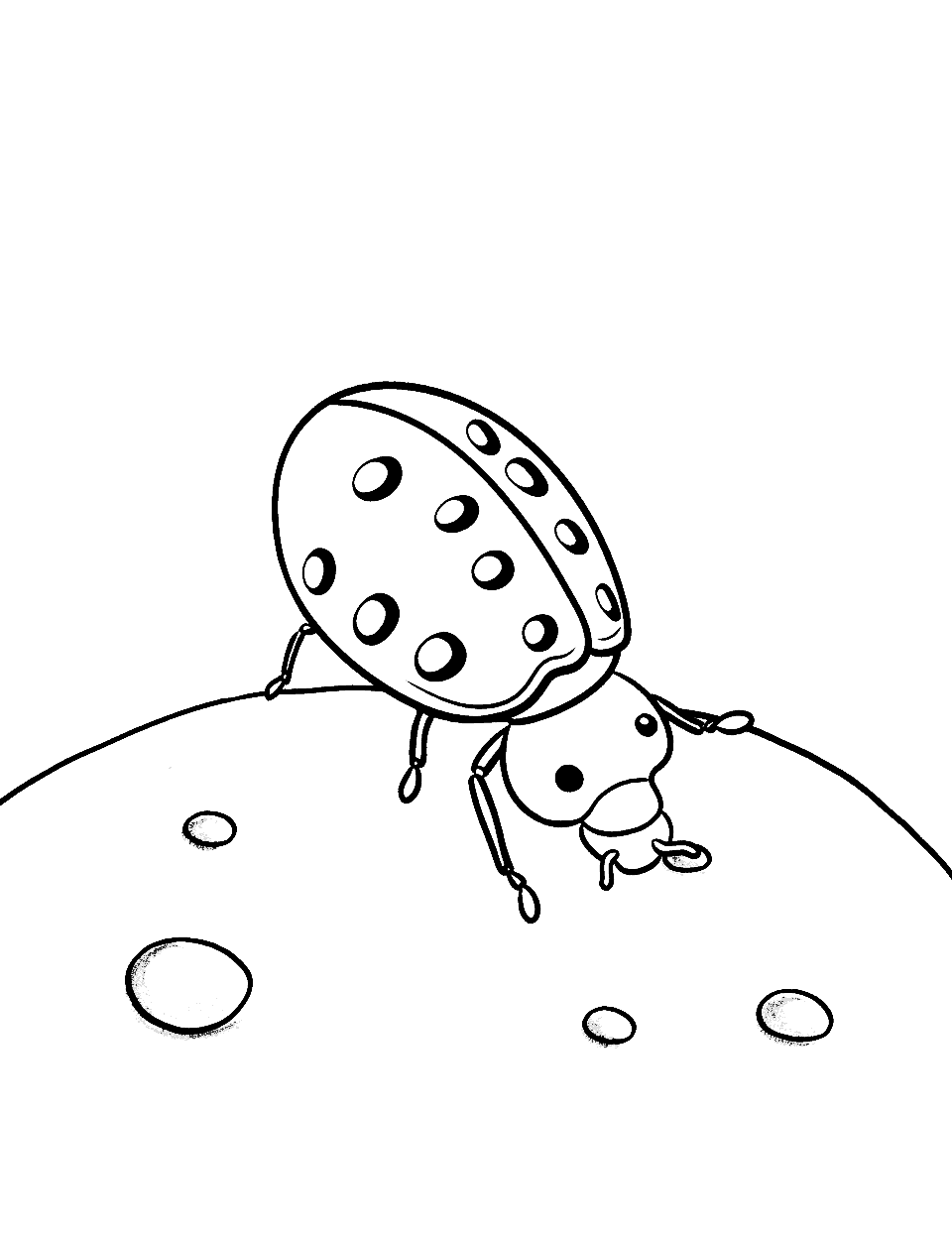
Exploring Ladybird
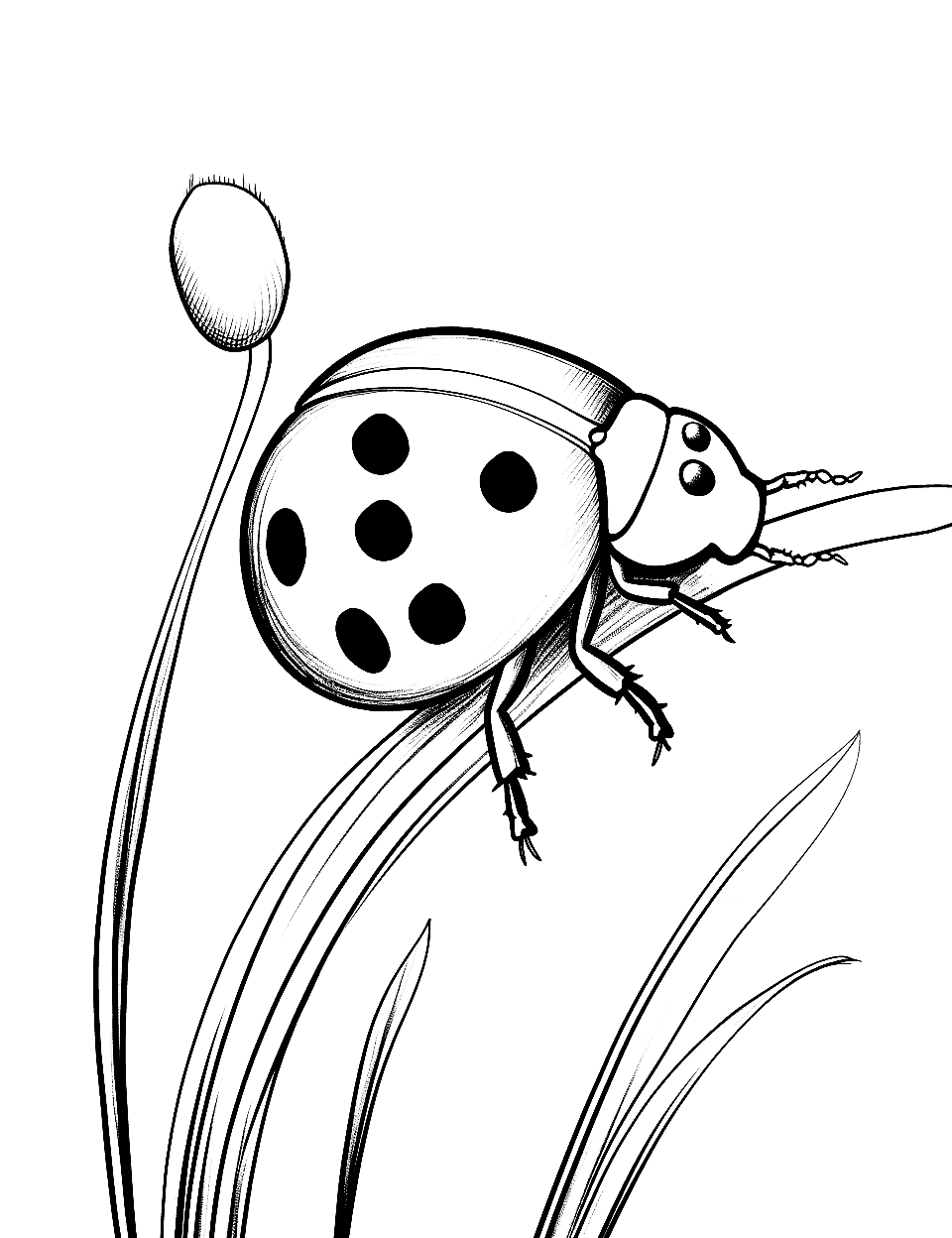
Serene Ladybug on a Quiet Day
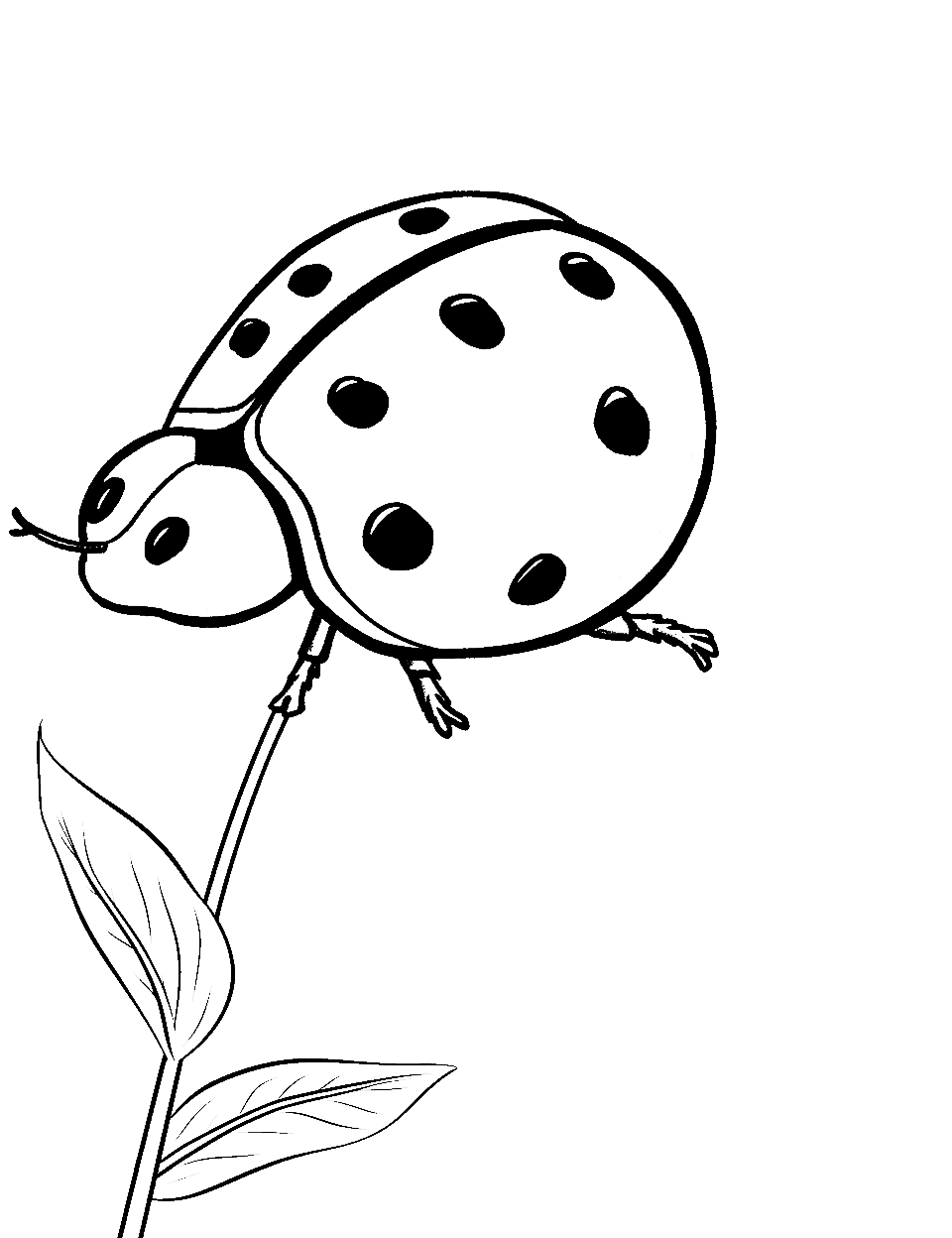
Cute Ladybug
By using our free coloring pages, you acknowledge and agree to our full disclaimer. All materials are for personal, non-commercial use only and all rights belong to their respective license holders.
Activities to Do With Ladybug Coloring Pages
Don’t just color and quit. You can turn these printables into engaging crafts and educational lessons. Here are a few creative ways to use your finished masterpieces.
Ladybug Math Practice
Turn coloring into a counting lesson. Ask your child to count the spots on the ladybug before they color them. For older kids, you can write a math problem in the center of the ladybug’s back and have them draw the correct number of spots to represent the answer.
3D Wing Craft
Make your coloring page pop by adding 3D elements. Color the body of the ladybug, but leave the wings blank. Cut separate wing shapes out of red construction paper. Glue just the top edge of the red paper wings onto the coloring page so you can lift them up to reveal the body underneath.
Garden Scavenger Hunt
Use the coloring pages as a checklist for a nature walk. Color a realistic ladybug page first, then head outside to the garden. Challenge your kids to find a real ladybug, a specific type of leaf, or a flower that matches the colors they used in their artwork.
Ladybug Puppets
Print the pages on cardstock for durability. Once colored, cut out the ladybugs and tape a popsicle stick to the back. Kids can use these stick puppets to act out stories about life in the garden or put on a bug-themed play.
Rock Painting Templates
Ladybugs are a classic design for rock painting. Use the simple outline coloring pages as a template. Kids can practice their design on paper first to decide where the spots and eyes should go before painting real rocks to hide around the neighborhood.
Life Cycle Lesson
Combine art with biology. While coloring, talk to your children about the life cycle of a ladybug. Explain how they start as eggs, become larvae, turn into pupae, and finally emerge as the red and black beetles we know. You can even have them draw the different stages on the back of the paper.
Spotted Suncatchers
Print the ladybug outlines on standard paper. Color them in using crayons or markers, then rub a little vegetable oil over the back of the paper with a cotton ball. The oil makes the paper translucent. Tape the sheet to a sunny window to let the light shine through the colors.
FAQs

Are Ladybugs Actually Bugs?
Technically, ladybugs are beetles. They belong to the family Coccinellidae. In North America, we call them ladybugs, but in the UK and other parts of the English-speaking world, they are known as ladybirds.
What Colors Can Ladybugs Be?
While the red ladybug with black spots is the most famous, they come in many colors. You can find ladybugs that are yellow, orange, pink, or even black with red spots. Feel free to get creative with your crayon choices.
Why Do Farmers Like Ladybugs?
Farmers and gardeners love ladybugs because they are natural pest controllers. A single ladybug can eat up to 5,000 aphids in its lifetime. This helps keep plants and crops healthy without using chemicals.
Do All Ladybugs Have Spots?
No, not all of them do. While most species have spots, some ladybugs have stripes, and others have no markings at all. The number of spots varies by species, not by age.
What Does It Mean If A Ladybug Lands On You?
In many cultures, a ladybug landing on you is considered a sign of good luck. Some folklore suggests that you should make a wish before it flies away.
What Is The Best Way To Color These Pages?
For the small details like spots and antennae, colored pencils or fine-tip markers work best. For larger areas like leaves or the background, crayons or broad markers are great choices. Watercolor paints can also create a nice effect if you print on thick paper.