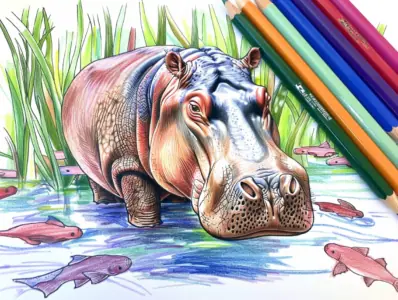
Dive into the riverbanks of sub-Saharan Africa with our collection of hippo coloring pages. These semi-aquatic giants, often called “river horses,” fascinate kids with their massive size and water-loving habits. Our sheets feature everything from adorable calves splashing in the mud to realistic adults grazing on grass.
These free printables offer a fun way to learn about wildlife while boosting creativity. Grab your gray crayons and get ready for a safari adventure right at your kitchen table. Download your favorite designs below and start coloring.
Baby Hippo Splash
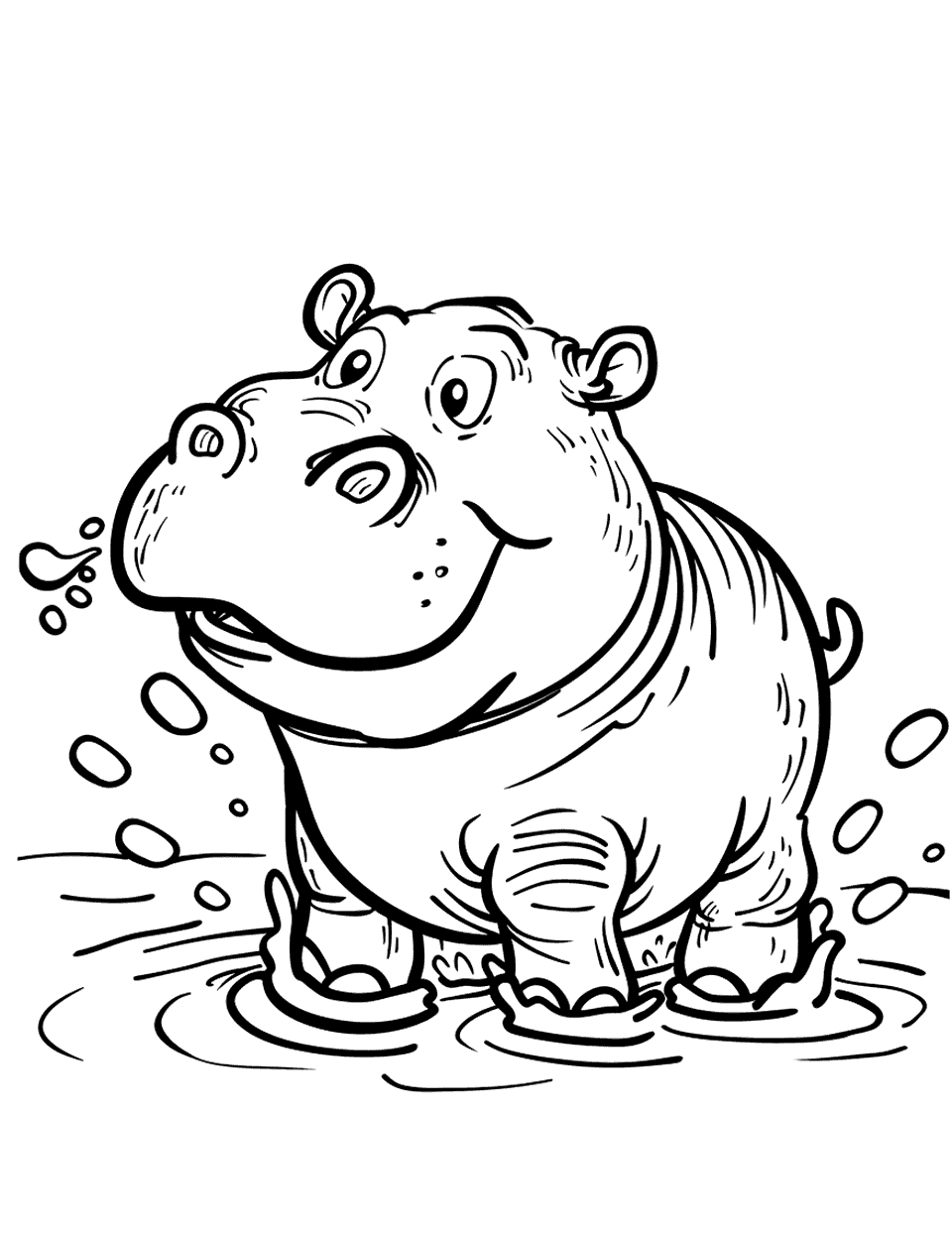
Hippo Family Picnic
Hippo Dance Party
Hippo Playground Fun
Hippo Safari Adventure
Hippo Bath Time
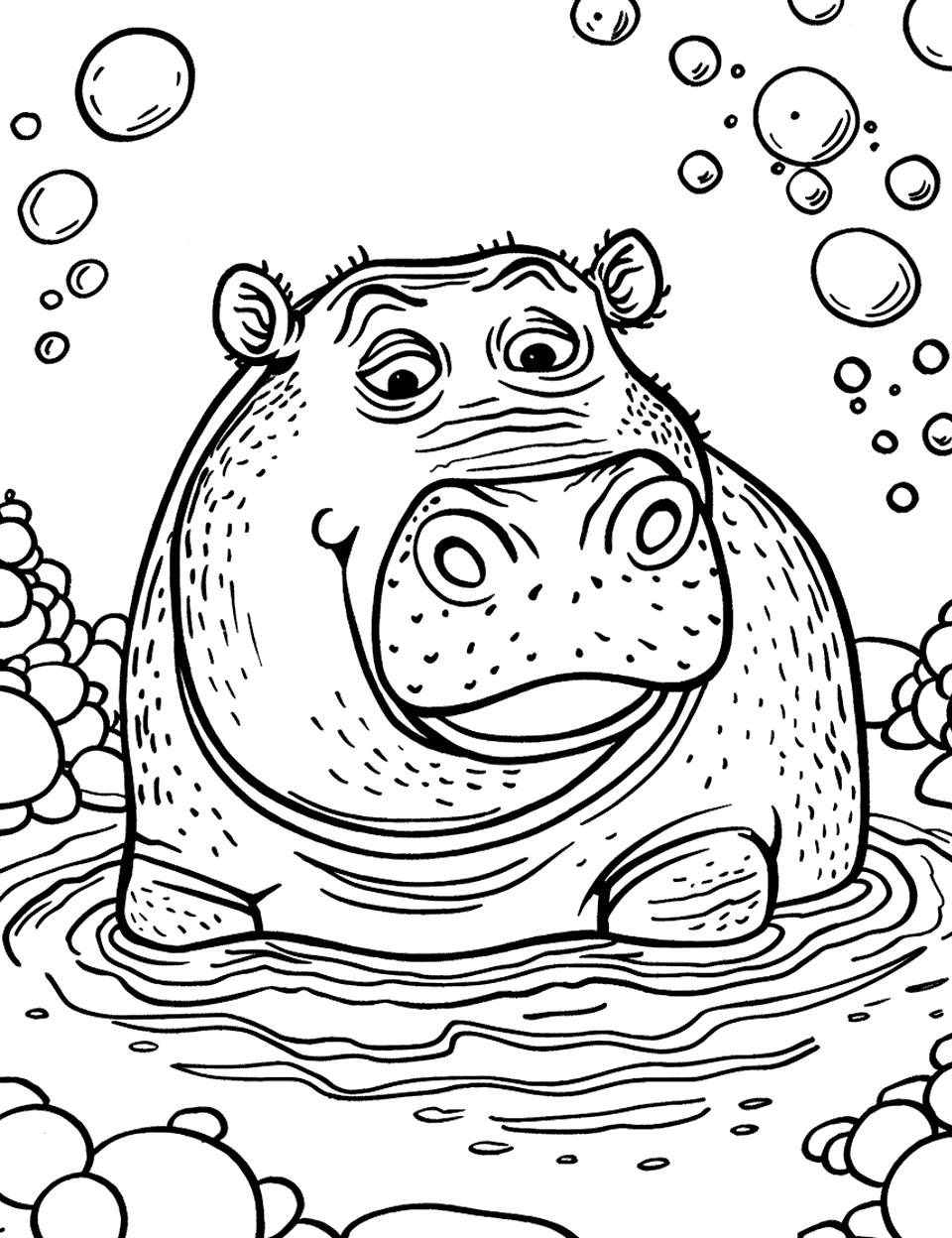
Hippo Soccer Match
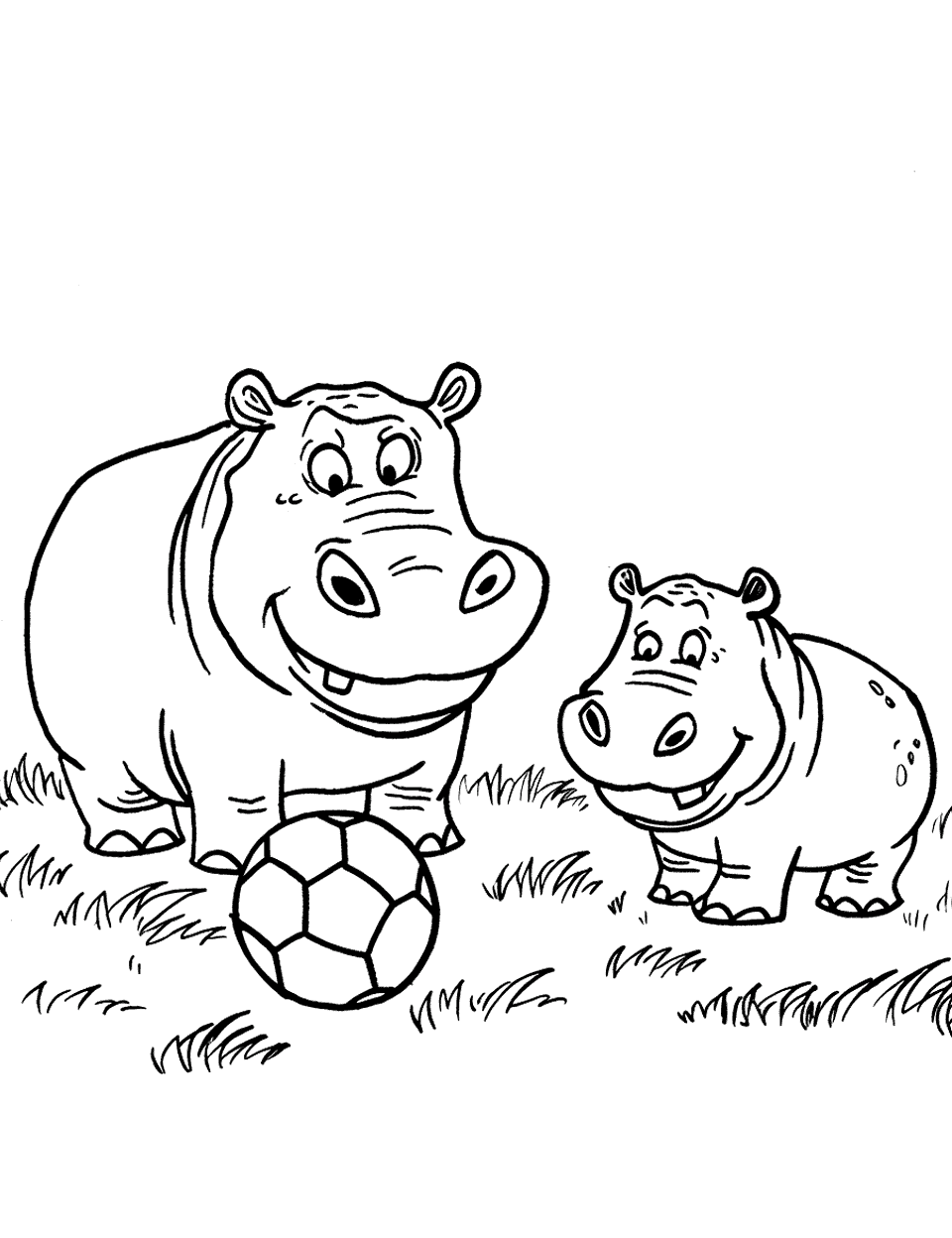
Hippo Artist
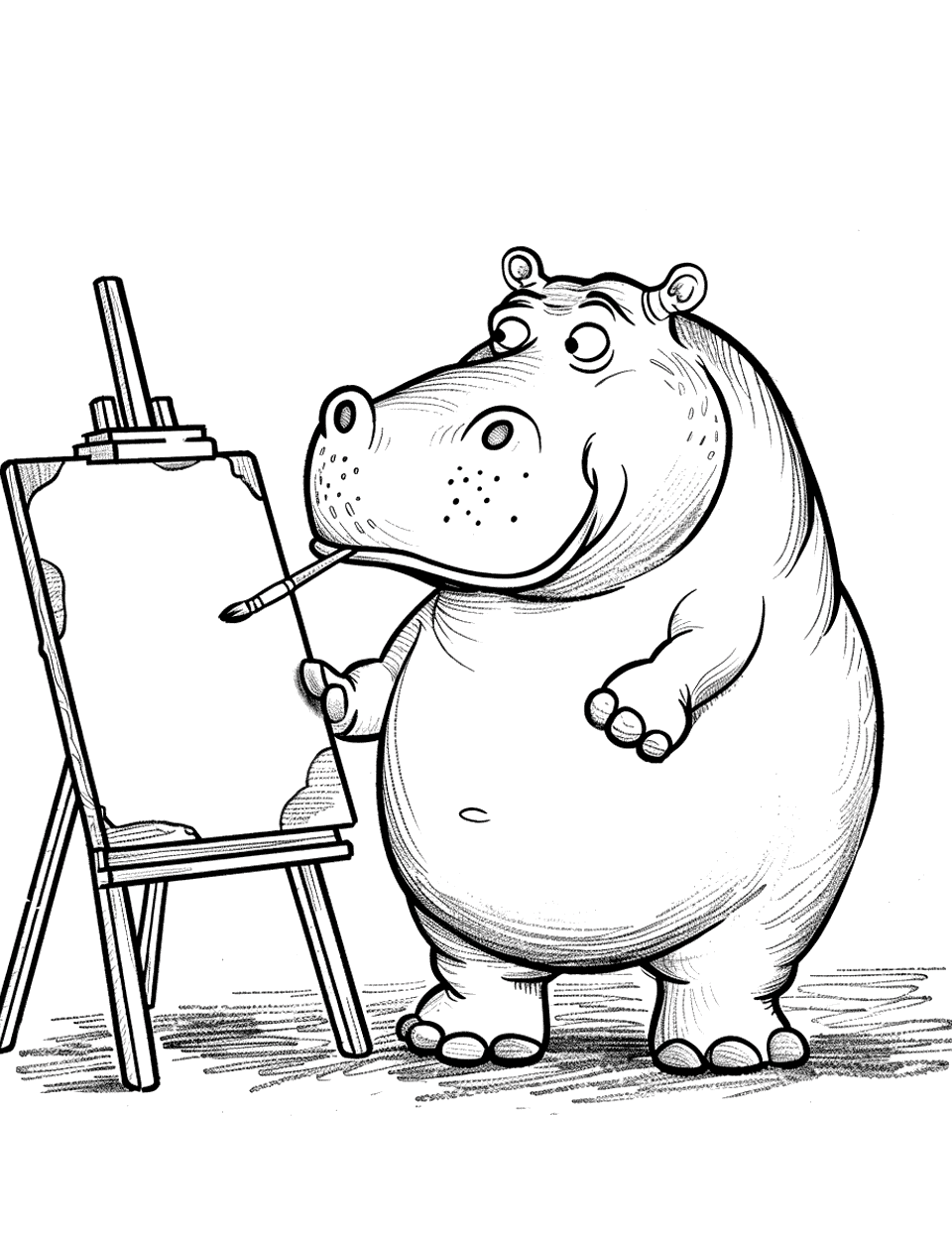
Hippo Chef
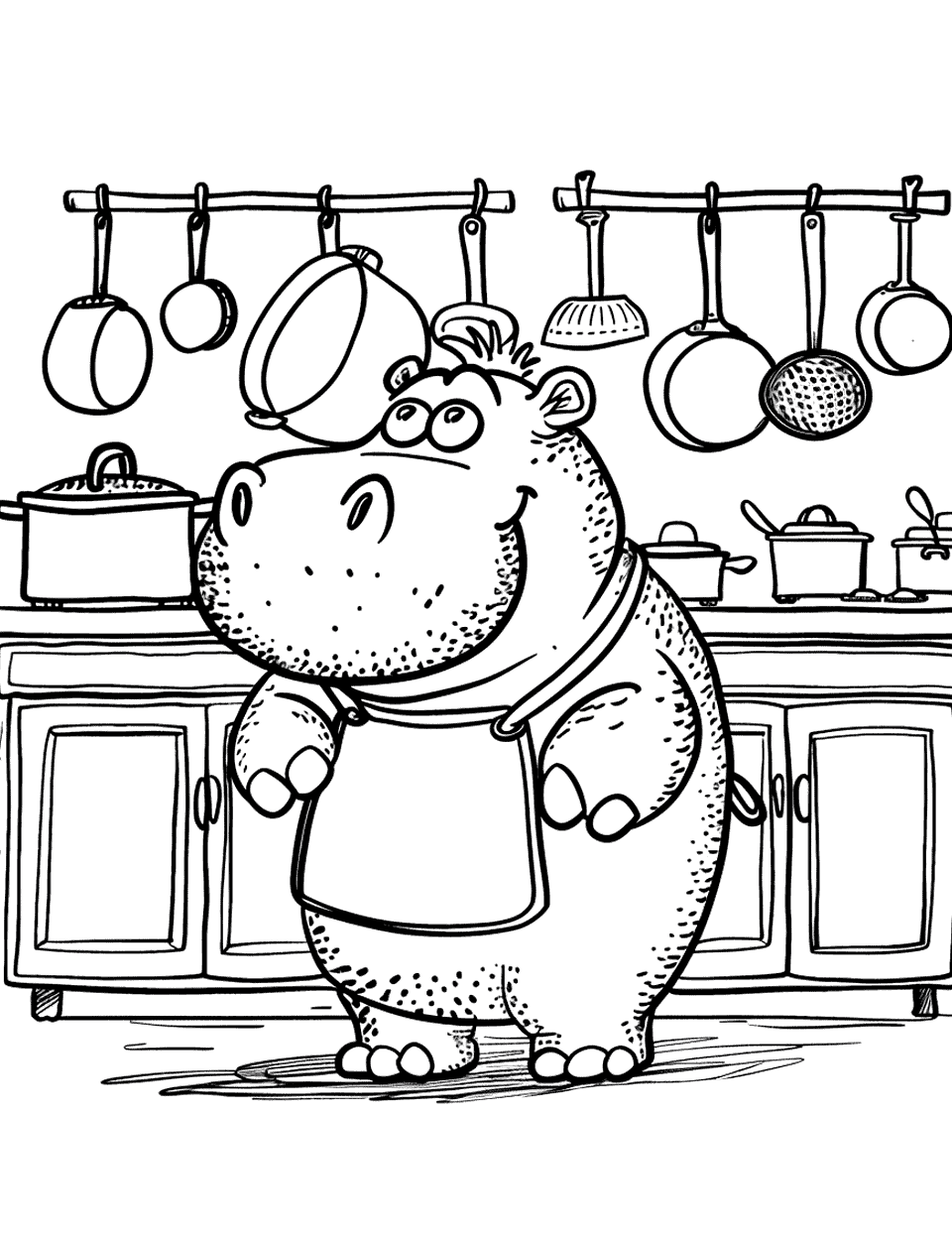
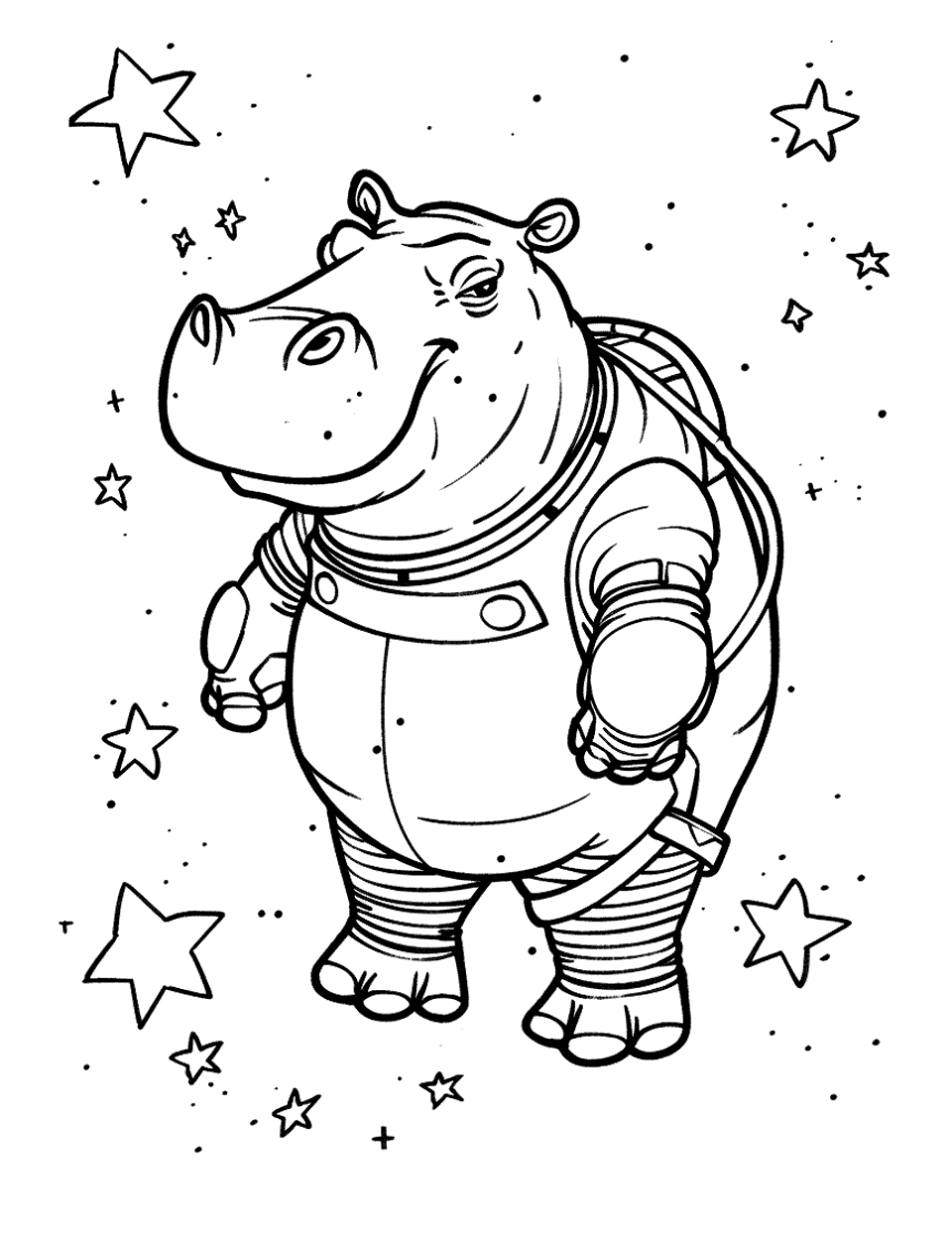
Hippo Astronaut
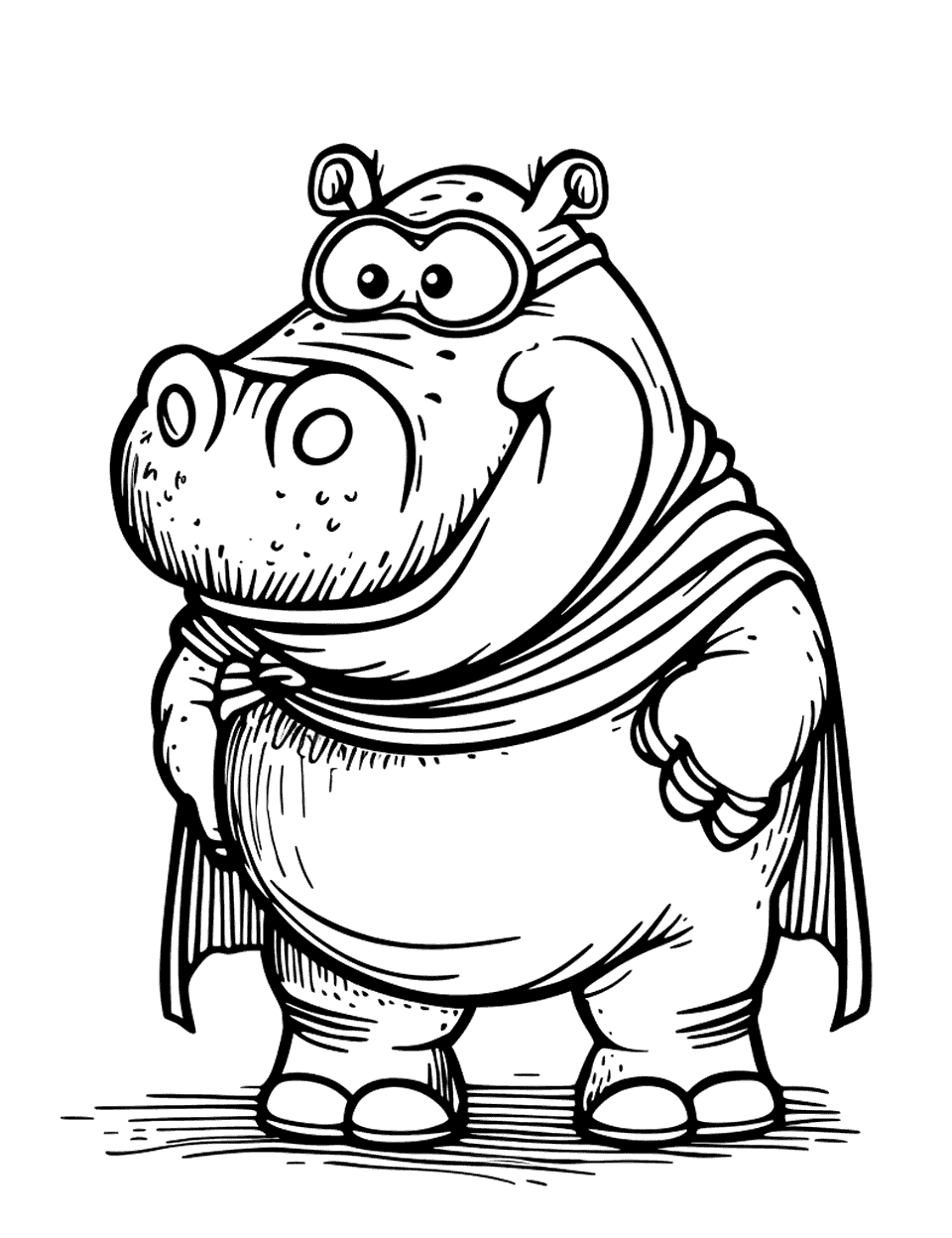
Hippo Superhero
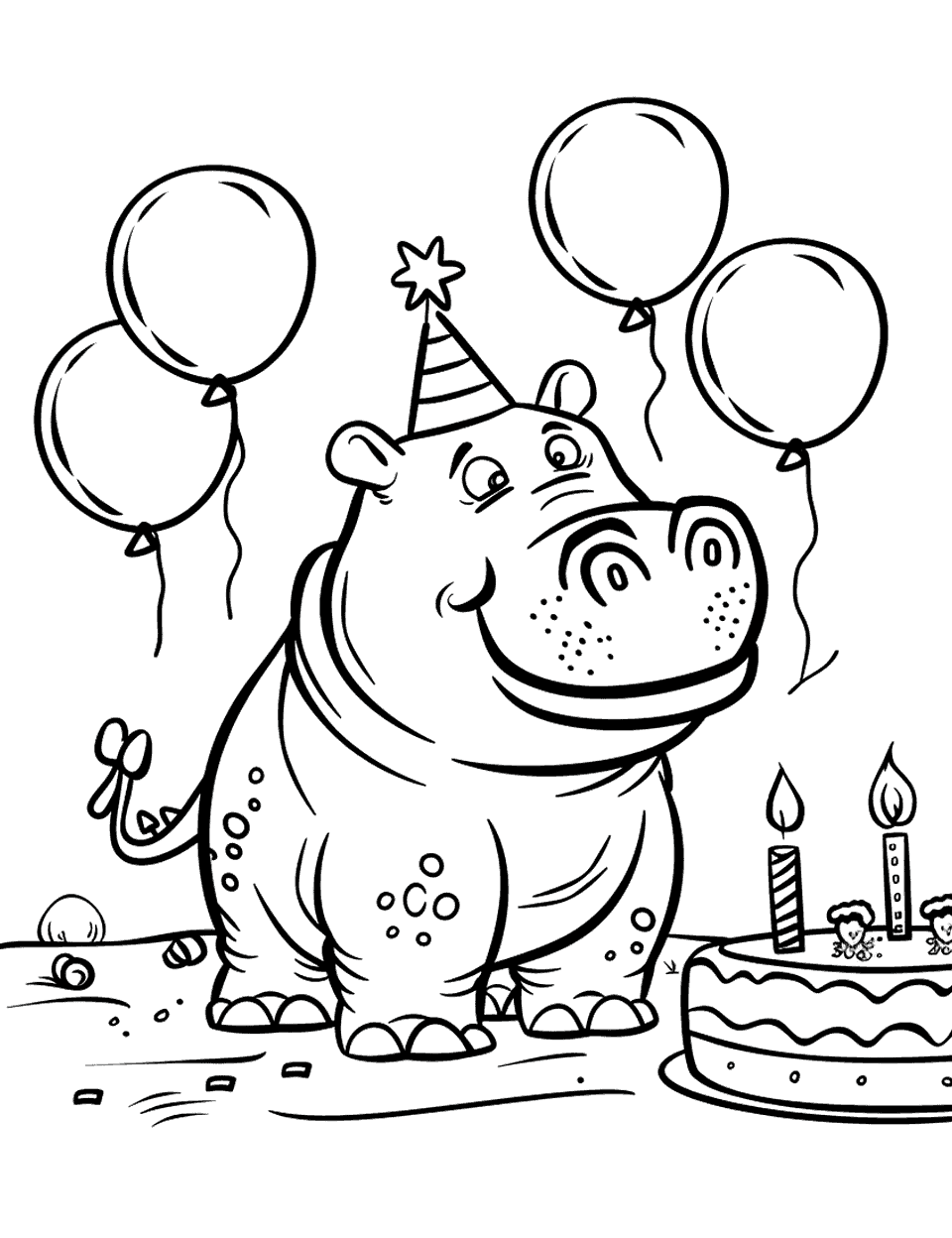
Hippo Birthday Party
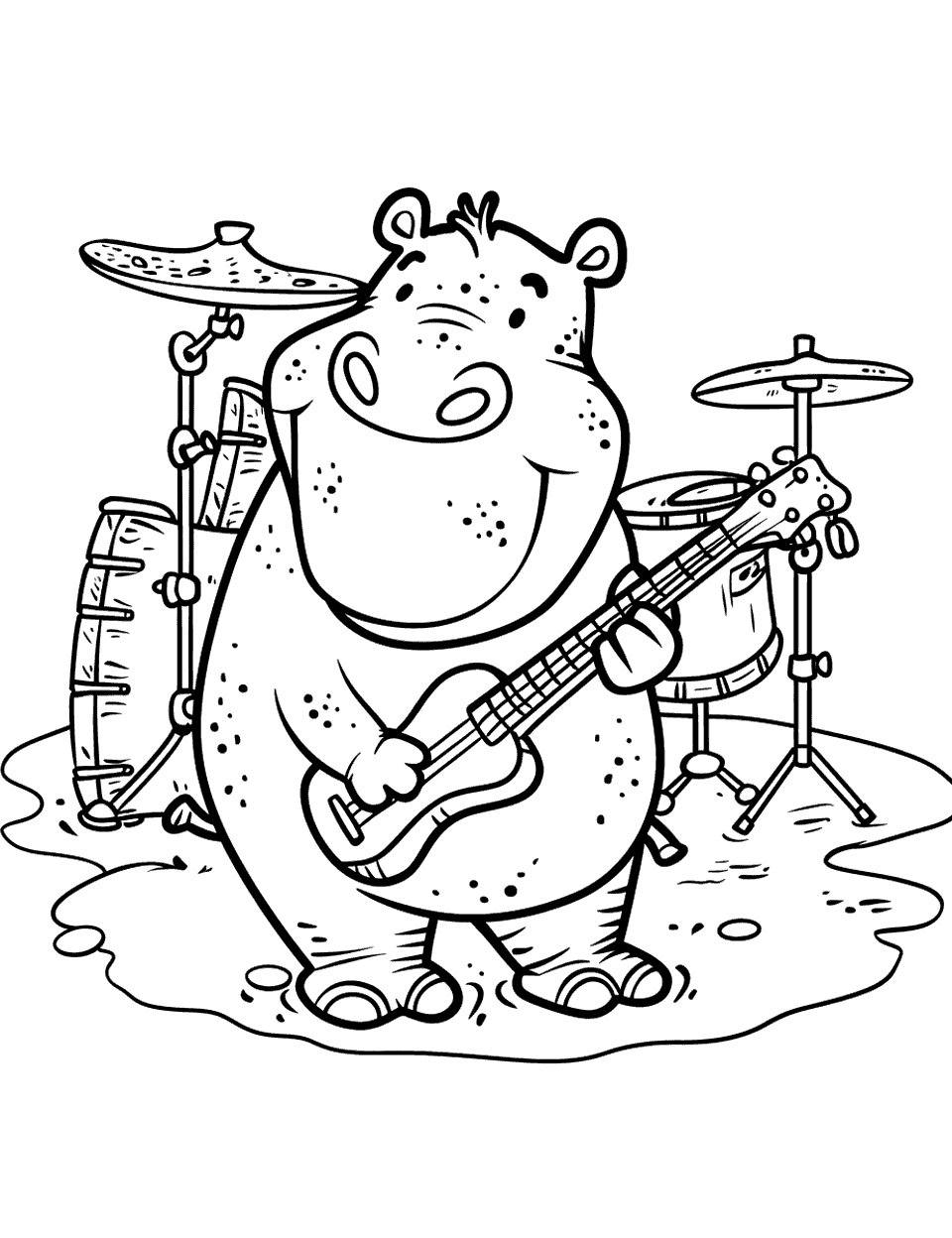
Hippo Music Band
Hippo Pirate Adventure
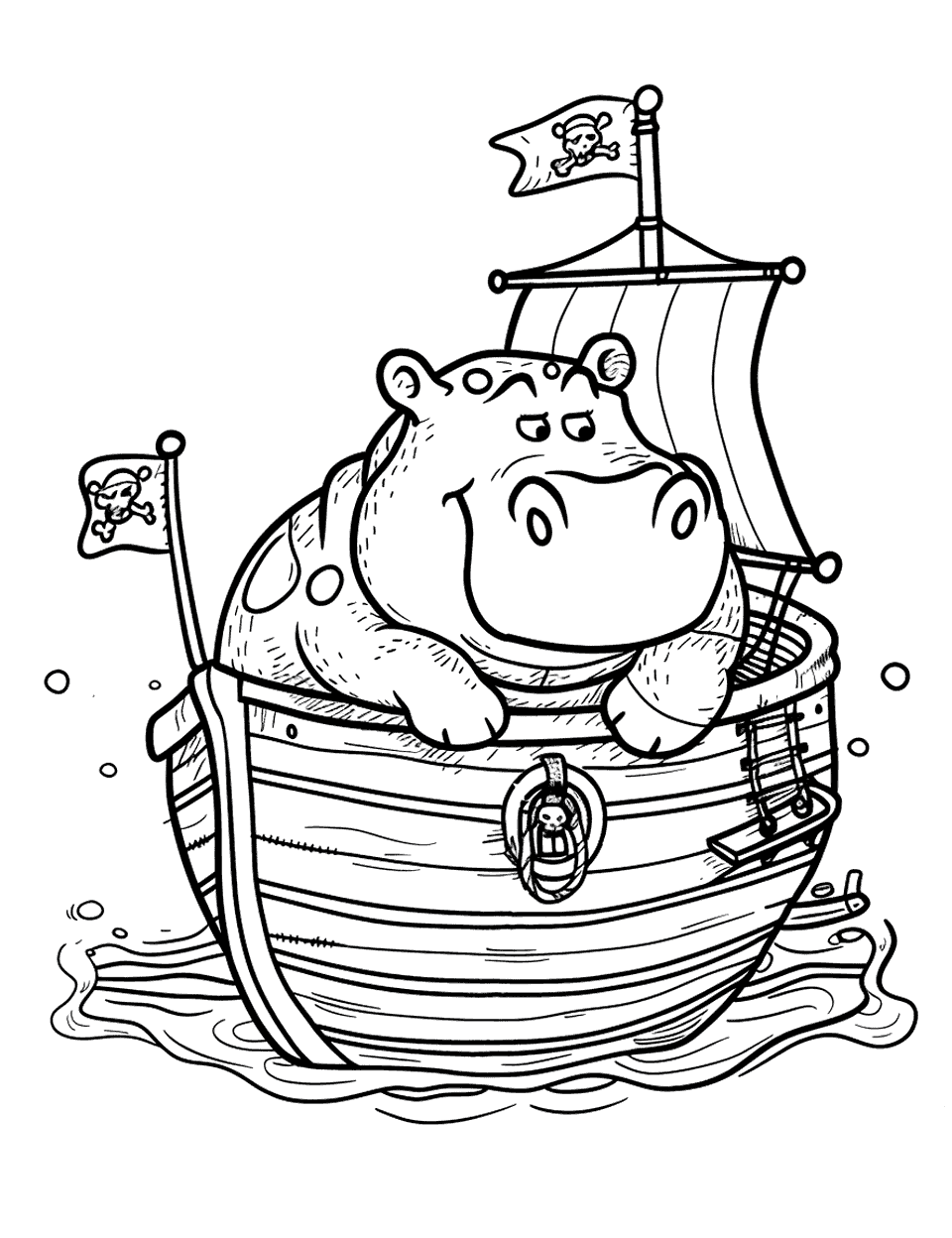
Hippo Fashion Show
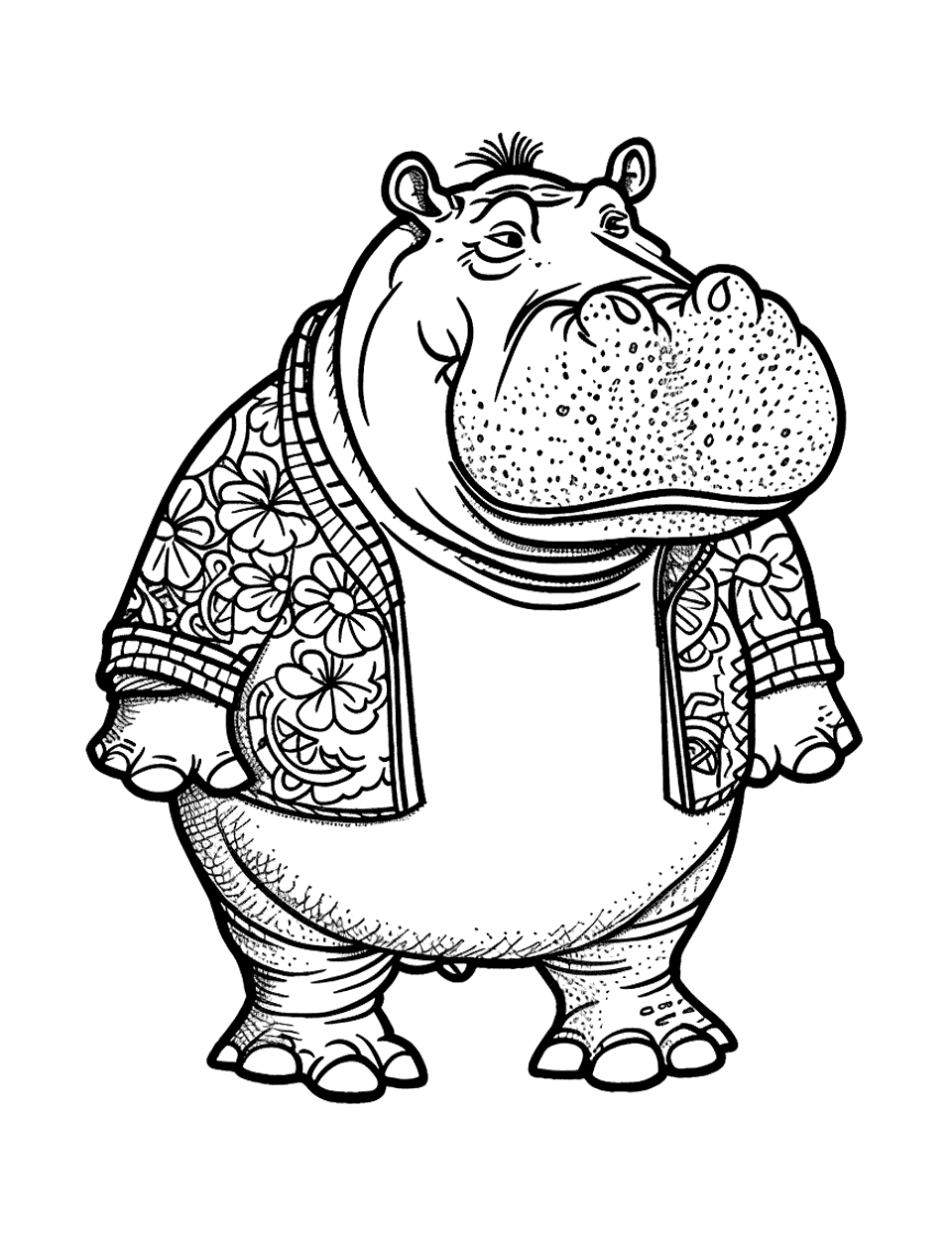
Hippo Doctor
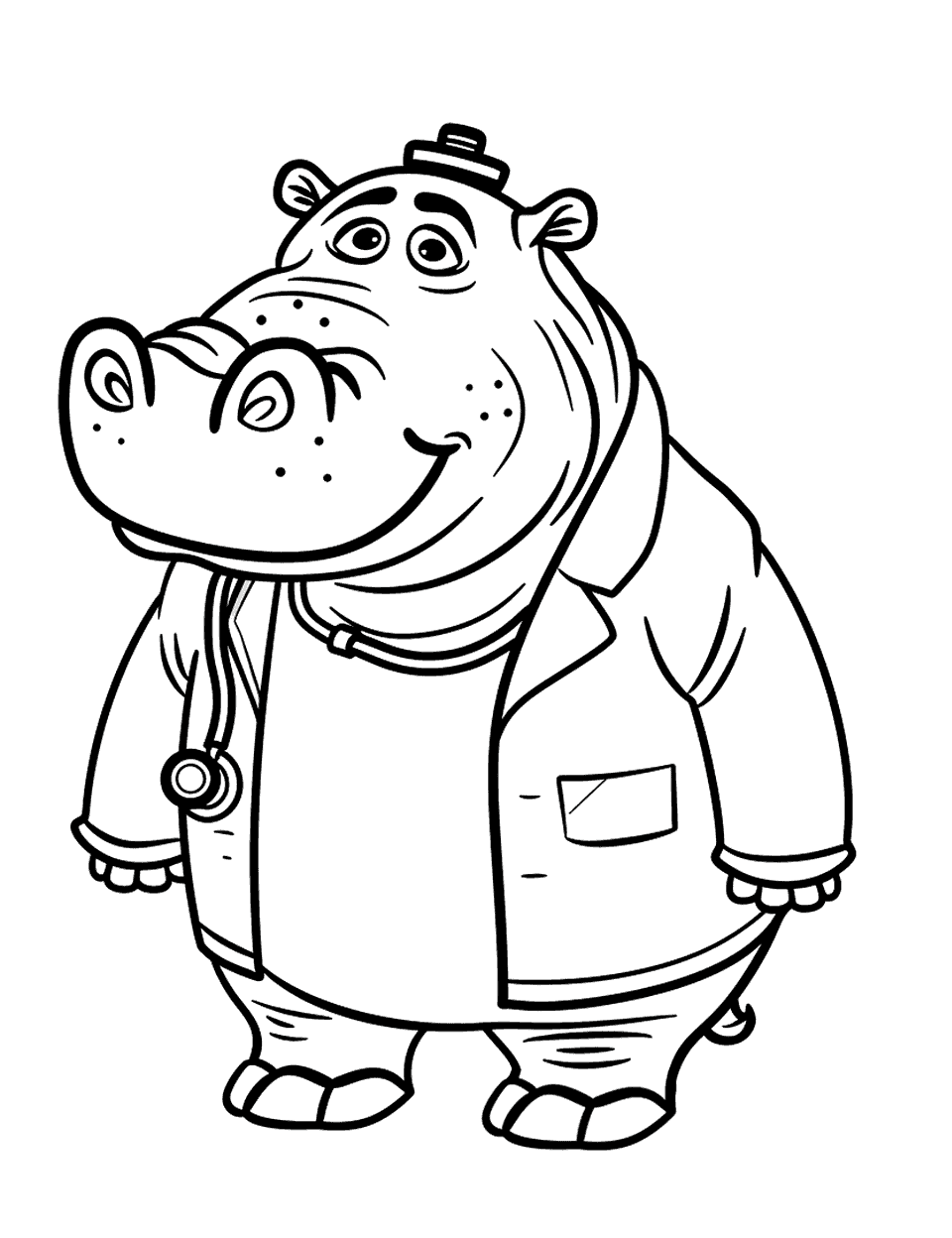
Hippo Magician
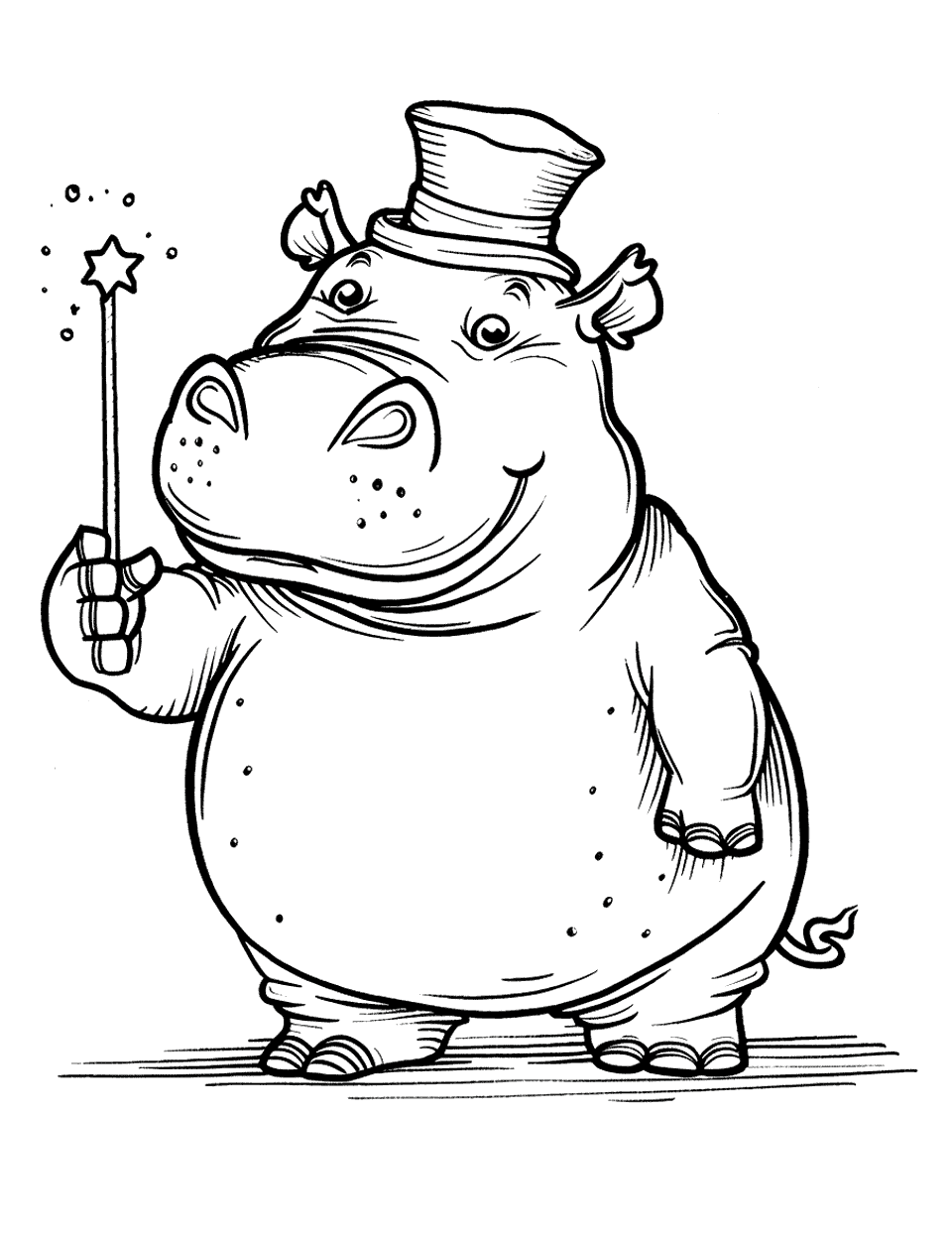
Hippo Gardener
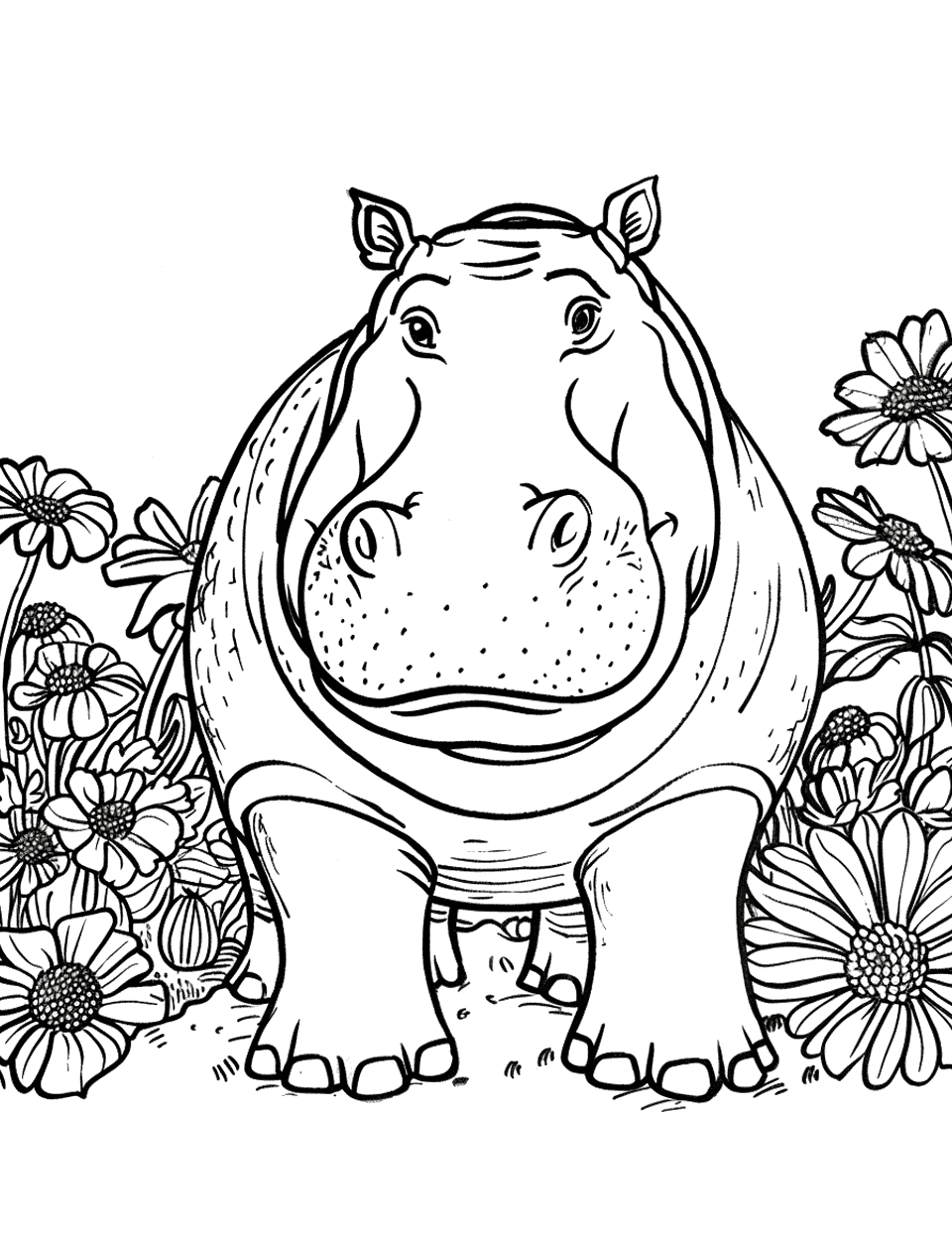
Hippo Rainy Day
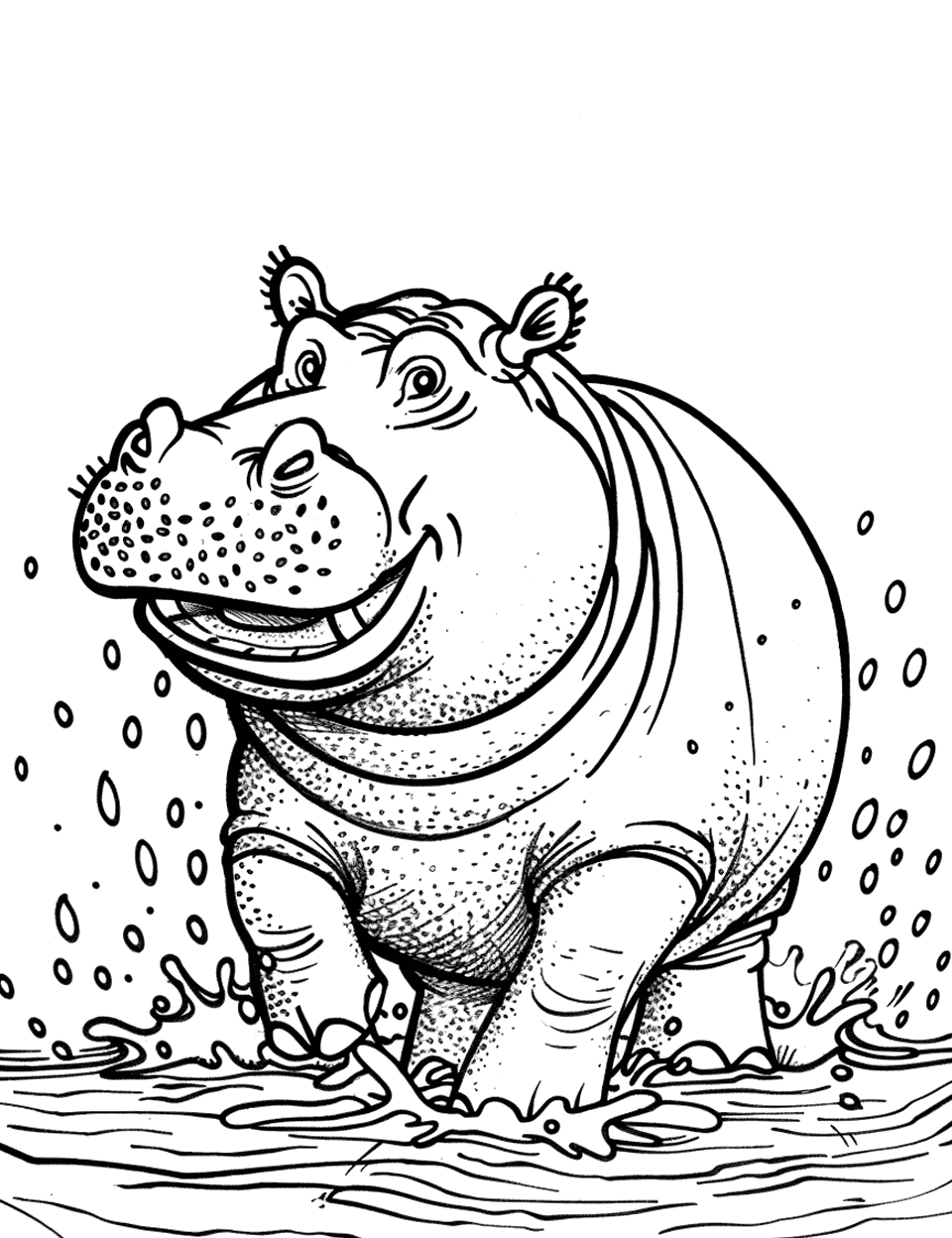
Hippo Detective
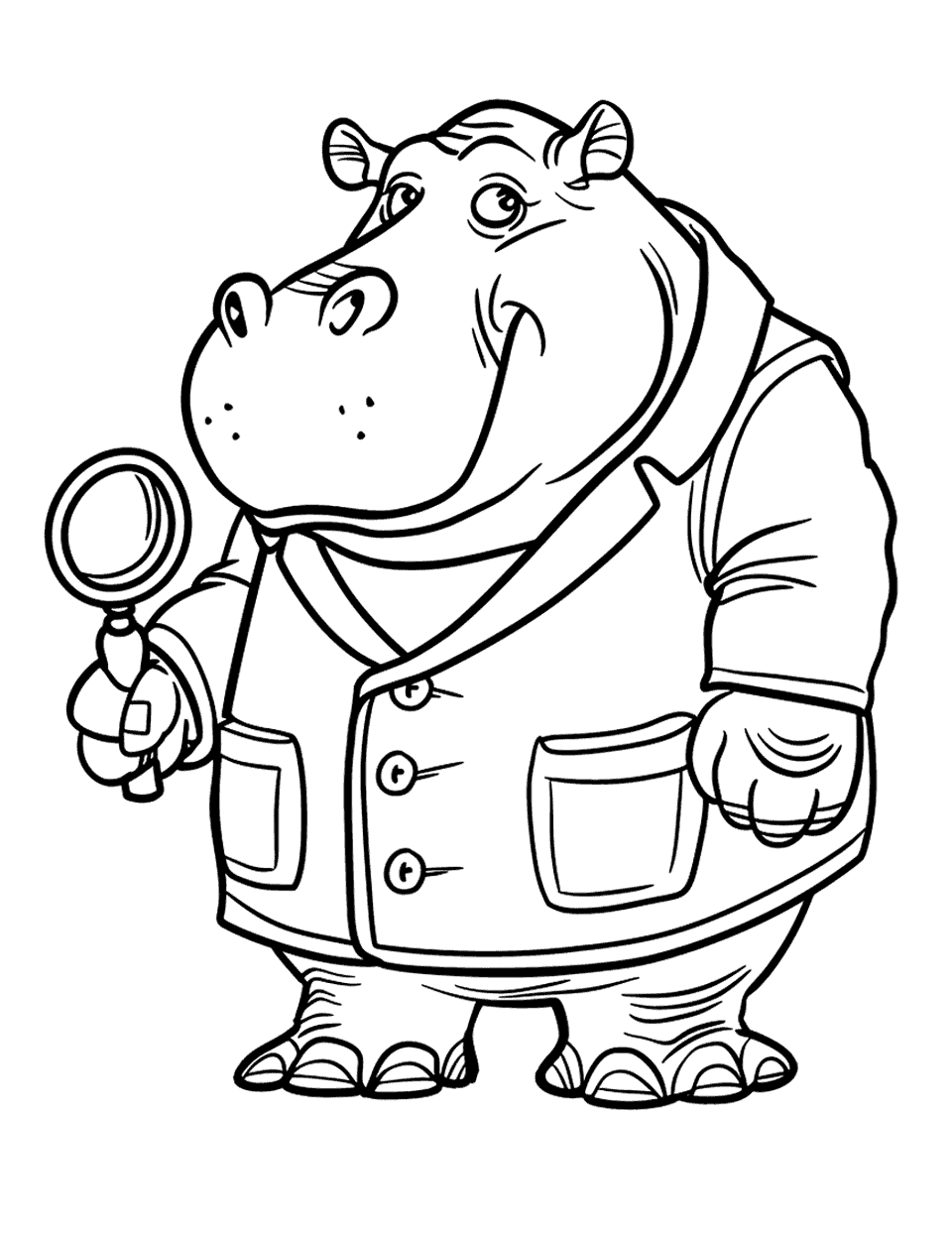
Hippo Skiing Adventure
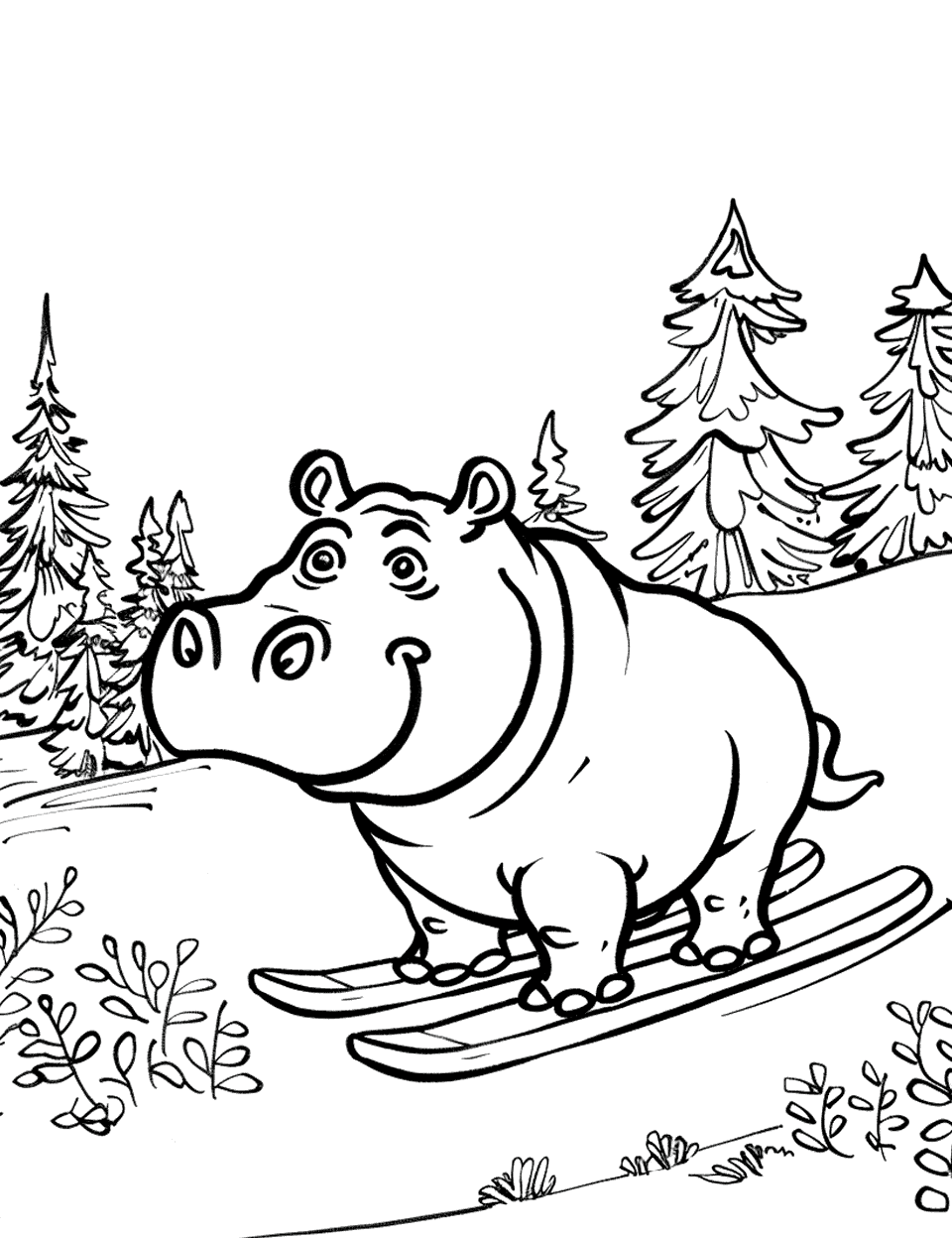
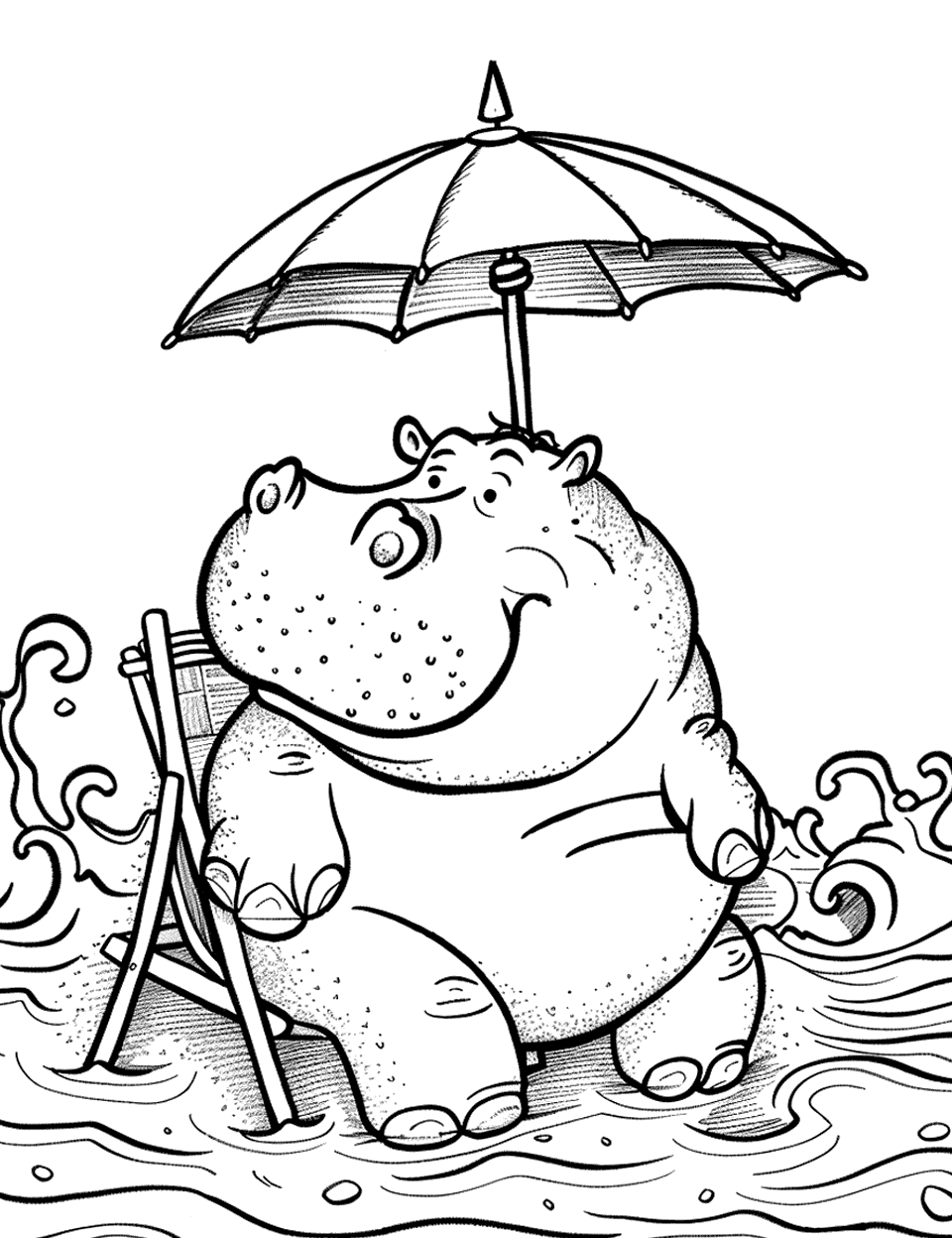
Hippo Beach Vacation
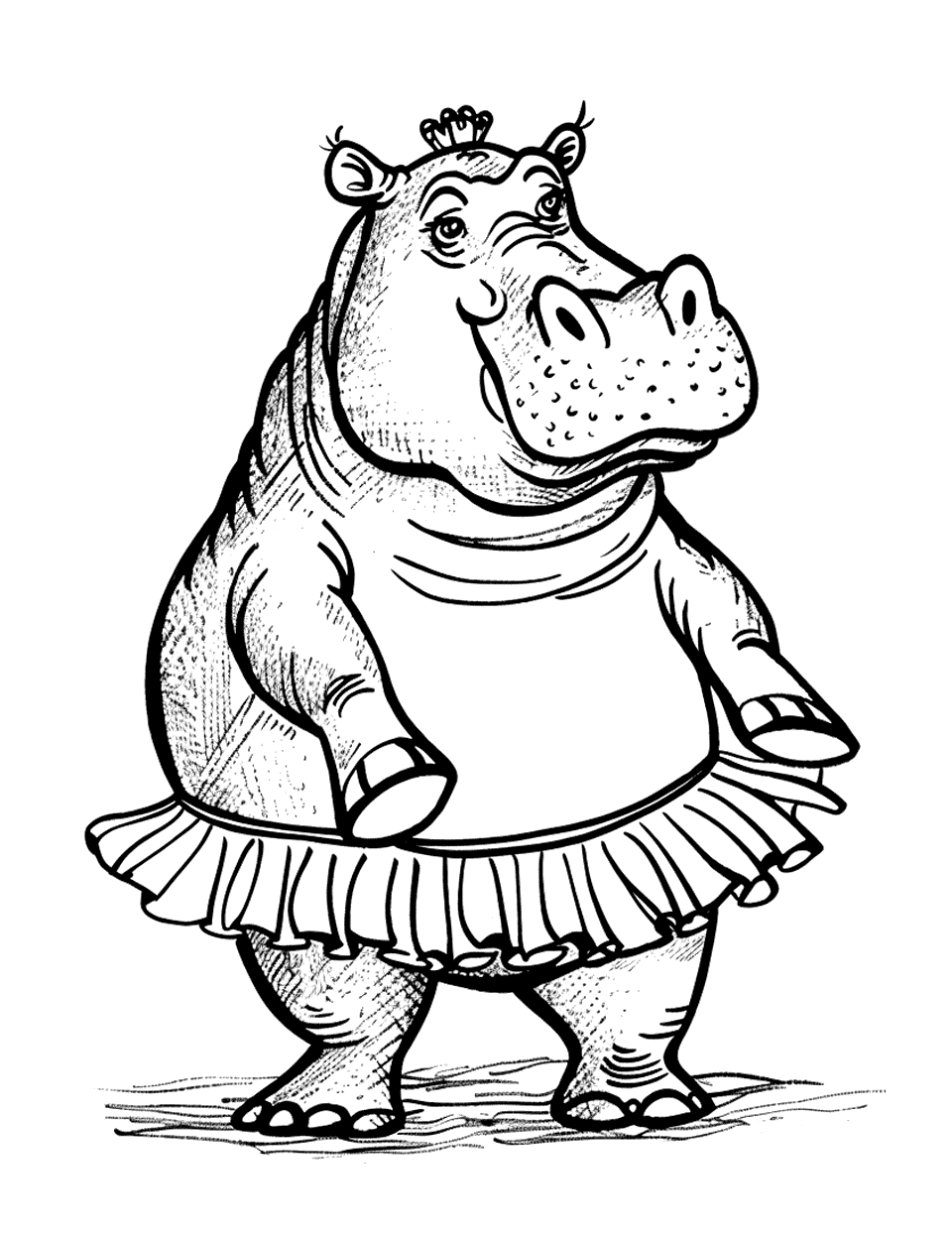
Hippo Ballet Performance
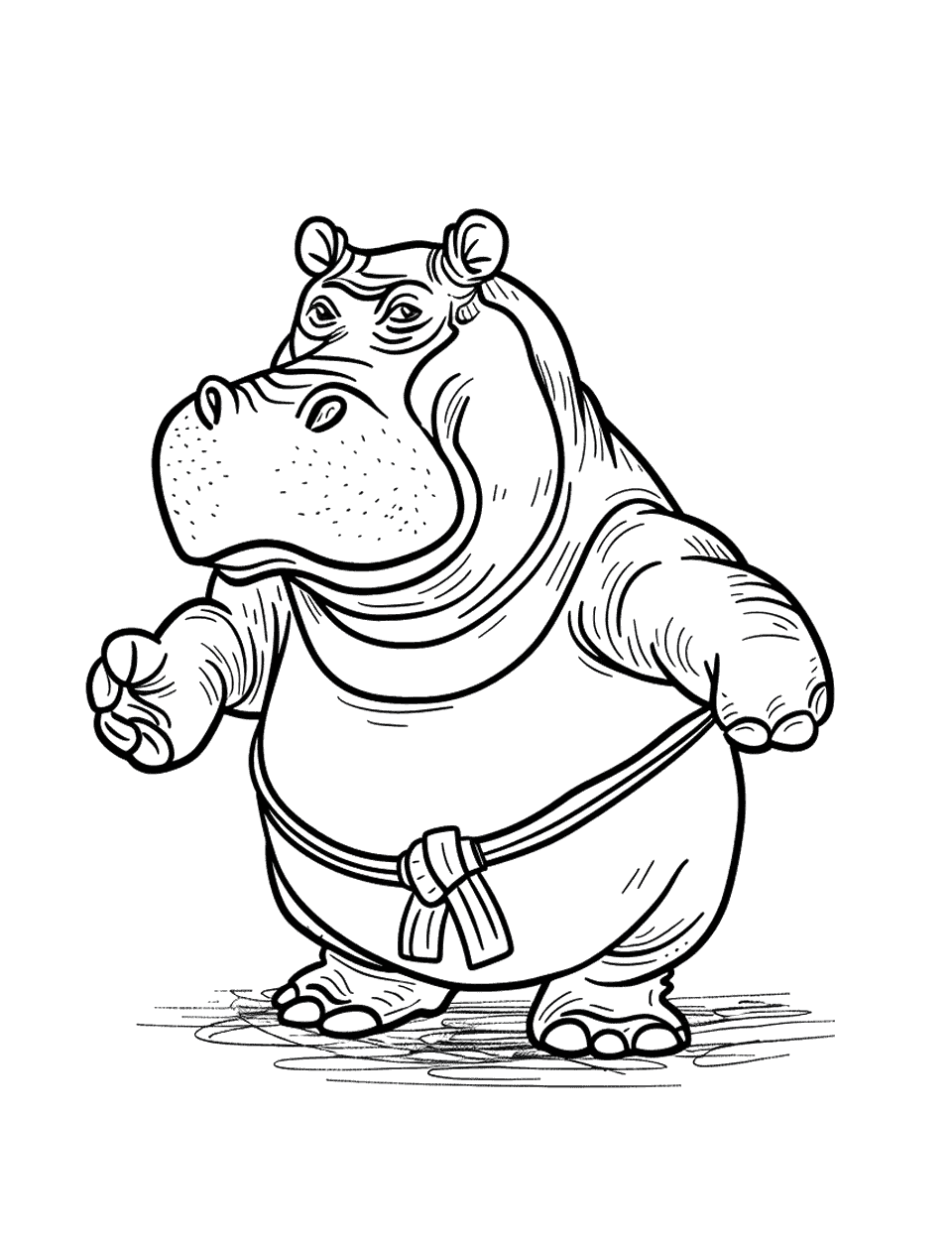
Hippo Karate Class
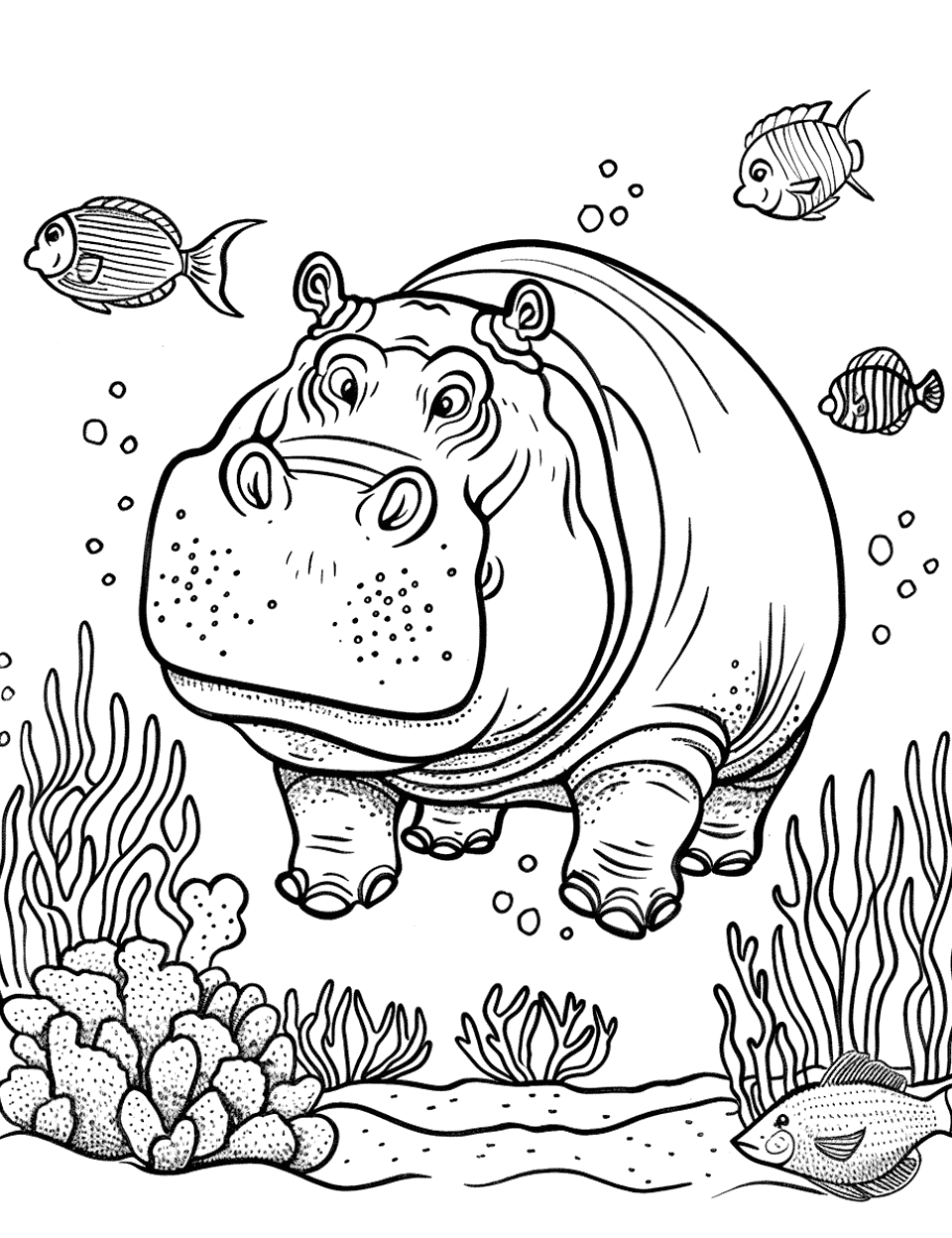
Hippo Underwater Adventure
By using our free coloring pages, you acknowledge and agree to our full disclaimer. All materials are for personal, non-commercial use only and all rights belong to their respective license holders.
Activities to Do With Hippo Coloring Pages
Turn a simple coloring session into an interactive lesson about wildlife and art. These creative projects extend the fun long after the crayons are put away.
Create a 3D Stand-Up Hippo
Print the coloring page on heavy cardstock. Once your child finishes coloring, cut out the hippo carefully. Tape a small cardboard triangle or a toilet paper roll to the back of the cutout. Now the hippo can stand up on its own, perfect for a bedroom display or a homemade zoo.
Feed the Hungry Hippo Game
Color and cut out the head of a hippo from one of the close-up pages. Glue it to the side of a small cardboard box (like a tissue box) and cut a hole where the mouth is. Have kids crumple up scraps of paper into “food balls” and try to toss them into the hippo’s open mouth.
Hippo Habitat Diorama
Use a shoe box to create a natural home for the hippo. Paint the inside of the box blue for water and green for grass. Color, cut out, and place the hippo figures inside the box. You can add real twigs, rocks, and dried leaves to make the riverbank scene look realistic.
Texture Exploration Art
Hippos have unique, thick skin. Instead of just coloring with markers, let kids experiment with textures. Use gray felt, sandpaper, or crumpled tissue paper to fill in the hippo’s body. This tactile activity helps develop fine motor skills and sensory awareness.
Hippo Fact Sheet Cards
Turn the coloring pages into educational flashcards. After coloring the front, have your child write three interesting facts about hippos on the back. For example, they could write about how fast hippos run or how long they can hold their breath underwater.
FAQs

What Colors Should I Use for a Hippo?
Real hippos generally have slate-gray or brownish-gray skin with pinkish undertones around the eyes and ears. However, for cartoon coloring pages, you can use purple, blue, or any bright color you like to make them look fun and whimsical.
Where Do Hippos Live in the Wild?
Hippos live in sub-Saharan Africa. They spend most of their time submerged in rivers, lakes, and mangrove swamps to keep their skin cool and moist. They usually come out at night to graze on grass.
Are These Coloring Pages Free to Print?
Yes, all the coloring sheets on this page are completely free for personal and educational use. You can download and print as many copies as you need for your home or classroom.
What Is the Best Paper for These Printables?
Standard printer paper works well for crayons and colored pencils. If you plan to use markers, watercolors, or glue for crafts, we recommend using thicker cardstock to prevent the paper from soaking through or curling.
Can Hippos Really Swim?
Surprisingly, hippos cannot swim or float. They are too heavy and dense. Instead, they walk or bounce along the bottom of the riverbed. They can hold their breath for up to five minutes while walking underwater.
What Are Baby Hippos Called?
A baby hippo is called a calf. Calves are born underwater and must swim to the surface to take their first breath. They are very playful and stick close to their mothers for protection.