We combined our collective parenting experience to curate a list of the best potty training tools, hacks, and essentials. Whether you are dealing with stubborn toddlers or nighttime accidents, these items will help you survive the process with your sanity intact.
Key Takeaways
- Wait for readiness: Start when your child shows physical and emotional signs, not just when they reach a specific age.
- Involve your child: Let them pick out their own potty and fun underwear to build excitement and ownership.
- Expect accidents: Messes are part of learning; stay patient and keep cleaning supplies handy.
- Stay positive: Use praise and rewards rather than pressure to encourage progress.
Potty Training Tools for the Bathroom
Having the right equipment in your bathroom can make or break the experience. We looked for tools that offer stability, easy cleaning, and toddler appeal to help your child feel secure.
BabyBjörn Deep Potty Chair
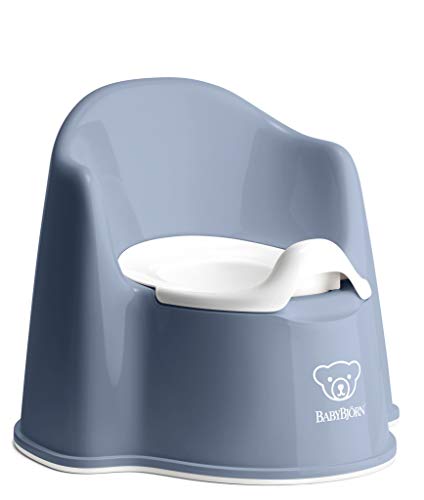
If you are looking for a standalone floor potty, this BabyBjörn model is a classic for a reason. It features a high backrest and armrests, which provide a greater sense of security for children who feel unstable on smaller seats.
The rubber strip along the bottom prevents the potty from skidding across tile floors when your child sits down or stands up. Parents love the removable inner bowl, which makes emptying and cleaning incredibly quick. This is an excellent choice for taller toddlers or those who need extra support while they learn.
Nuby My Real Potty Training Toilet

For kids who want to be just like mom and dad, the Nuby mimics the look of a standard adult toilet on a miniature scale. It helps demystify the “big toilet” while keeping your child’s feet firmly on the ground.
The standout feature here is the realistic flushing sound it makes when you press the handle. This provides instant auditory reinforcement and makes the process fun. While it includes a built-in wipes dispenser, it is located on the back, so it is slightly hard to reach. However, the lifelike design makes it a top pick for transitioning toddlers who are skeptical of standard plastic potties.
Fisher-Price Perfect Fit Potty Ring
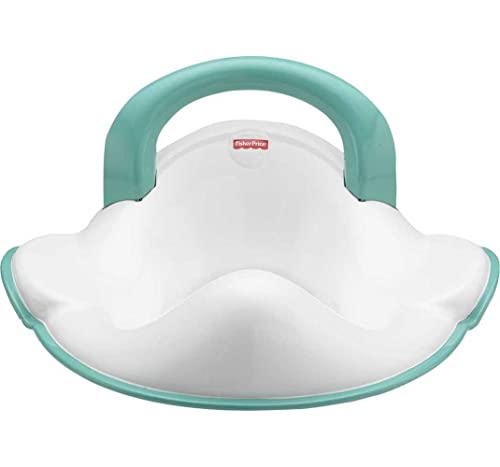
Some kids prefer to skip the floor potty entirely and go straight to the “grown-up” toilet. If that sounds like your child, this Fisher-Price ring is a bathroom essential. It adjusts to fit most standard toilet seats and creates a smaller, more comfortable opening for little bottoms.
The side handles are a major plus; they give your child something to grip for stability, reducing the fear of falling in. Since there are no permanent attachments, you can easily pop it on and off when adults need to use the bathroom.
Summer Step by Step Potty

We love the Summer Step by Step because it evolves with your child. Initially, it functions as a standalone floor potty with a soft seat for comfort. Once your child is ready to graduate to the big toilet, the seat detaches and snaps onto the regular toilet rim.
Finally, the base flips over to become a sturdy step stool. This is vital for helping your child reach the sink to wash their hands, promoting good hygiene habits from the start. It is a fantastic value option that covers all three stages of the training process.
Potty Training Tools for the Bedroom
Nighttime dryness often happens months or even years after daytime success. These tools help manage bedwetting and protect your mattress during the transition.
Gorilla Grip Slip Resistant Leak Proof Mattress Pad

Stripping a bed at 3 a.m. is a parenting nightmare. This four-layer pad absorbs liquid and protects your mattress from stains and smells. While it won’t keep the sheets dry, it saves the mattress itself.
The “Gorilla Grip” backing ensures the pad stays in place, even with a restless sleeper. A pro tip is to use the “lasagna method”: layer a waterproof pad, a fitted sheet, another waterproof pad, and another fitted sheet. If an accident happens, just peel off the top two layers and go back to sleep.
Wet-Stop3 Green Bedwetting Enuresis Alarm

If your older child is still struggling with night dryness, this alarm system can train the brain to recognize a full bladder. A small sensor clips onto your child’s underwear and connects to an alarm unit on their pajama top.
At the first sign of moisture, the unit vibrates or beeps to wake the child so they can finish in the bathroom. It is highly effective for heavy sleepers, but because it involves a cord, it is best suited for children over five who are motivated to stop bedwetting.
Goodnites Nighttime Bedwetting Underwear
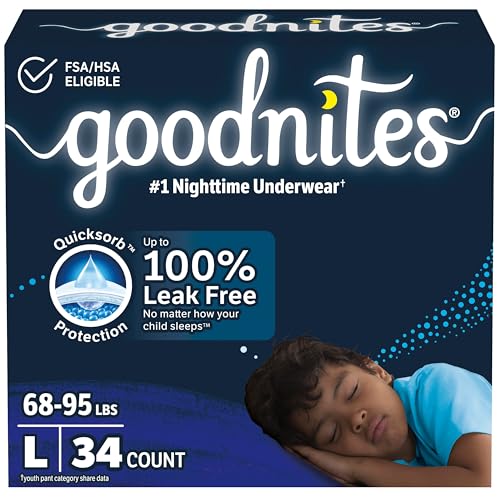
Unlike standard diapers, Goodnites are designed to look and feel like underwear, which can boost an older child’s confidence. They offer superior absorbency for nighttime accidents compared to standard training pants.
The tear-away sides make cleanup easy, and the discreet profile is great for sleepovers. If your child is fully potty trained during the day but physically unable to hold it all night, these provide peace of mind without the “babyish” feel of diapers.
Potty Training Tools for Your Child
Motivation is key. These interactive tools make the process engaging and help your child visualize their progress.
Potty Training Sticker Chart

Visual reinforcement works wonders for toddlers. This chart avoids power struggles by turning bathroom breaks into an achievement. The magnets are reusable, so you do not have to keep buying paper stickers.
It breaks the process down into manageable steps: asking to go, sitting, flushing, and washing hands. This allows you to reward effort, not just perfection. Even if they don’t produce anything, getting a sticker for “trying” keeps them motivated.
Potty Time Adventures Game
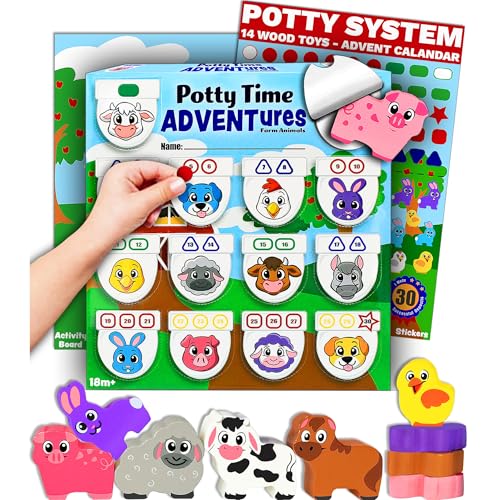
Think of this as an advent calendar for potty training. It gamifies the experience, which is perfect for kids who need extra excitement to get on the potty.
Every successful potty trip earns a sticker. After a certain number of stickers, your child gets to open a “reward door” to find a small wooden animal. This builds anticipation and sustained interest over time, which helps solidify the habit.
Big Boys Use the Potty!

Social stories are powerful teaching tools. Reading a book about potty training helps your child understand what is expected of them in a low-pressure environment.
We recommend the Big Boys/Girls Use the Potty series by Dorling Kindersley because of the clear, real-life photography. It walks through the steps, from feeling the urge to washing hands, using a teddy bear as a model. Reading this together prepares them mentally before the diaper comes off.
Potty Training Tools for Travel
Leaving the house during potty training can be terrifying. These portable solutions ensure you are never stuck without a toilet when nature calls.
OXO Tot 2-in-1 Go Potty

This is the Swiss Army Knife of potty training. It functions as a standalone potty with disposable bags for car emergencies or parks, and the legs fold out flat to become a seat reducer for public toilets.
It is compact enough to fit in a diaper bag or under a stroller. If you are road-tripping or visiting relatives, this tool ensures consistency for your child no matter where you are.
Squatty Potty Porta Traveler
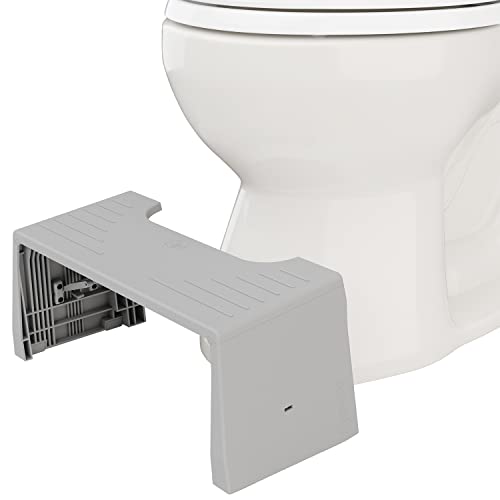
Dangling legs can make it difficult for children to push, leading to constipation. This foldable stool gives your child the foot support they need to go comfortably on adult-sized toilets.
It is lightweight and folds down to just two inches thick, making it easy to slide into a carry-on bag. Having a familiar footrest can make scary airplane or hotel bathrooms feel much safer for a hesitant toddler.
Portable Potty Seat for Toddler Travel
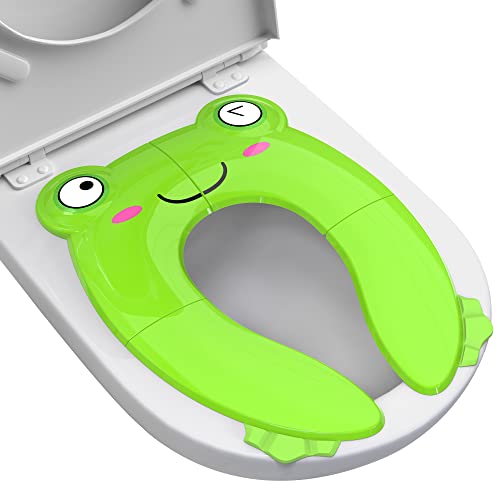
Public restroom seats are often too large and intimidating for small children. This foldable seat by Maliton solves that problem by creating a secure, smaller opening.
It folds into quarters and comes with a travel bag, keeping the germs contained. The non-slip silicone pads prevent it from sliding around, and the cute design (available in owl or frog) makes the bathroom experience less clinical and frightening.
Other Potty Training Tools You May Need
While not strictly mandatory, these items reduce the mess and stress associated with accidents and hygiene.
Cottonelle FreshFeel Flushable Wet Wipes
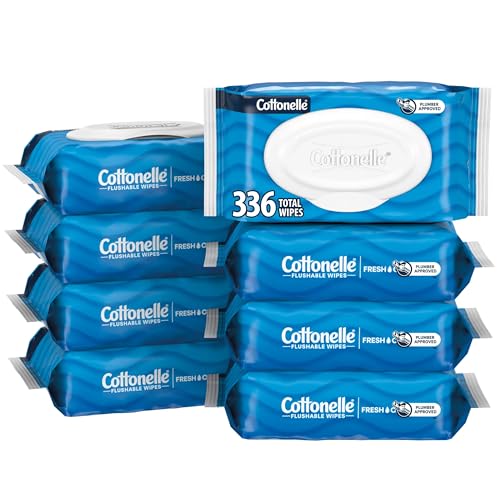
Dry toilet paper can be rough on sensitive toddler skin, especially when they are wiping frequently. These wipes ensure a thorough clean without irritation.
The flip-top pack keeps them moist and makes them easy to grab with one hand. While they are labeled flushable, we generally recommend tossing used wipes in the trash if you have older plumbing or a septic system, just to be safe.
Learning Resources 20-Second Handwashing Timer

Toddlers are notorious for doing a “splash and dash” rather than actually washing their hands. This simple light-up timer encourages them to scrub for the full recommended 20 seconds.
You can activate it with an elbow tap to keep it clean. It turns a boring hygiene chore into a fun game, ensuring germs get washed away after every potty trip.
Rubbermaid Reveal Spray Microfiber Floor Mop

Accidents happen, and when they do, speed is everything. This spray mop is perfect for quick cleanups on tile or hardwood without the hassle of a bucket.
The microfiber pad absorbs liquid instantly, and you can toss it in the washing machine afterward. Being able to quickly sanitize the floor reduces stress and lets you get back to your day faster.
FAQs About Potty Training Tools
Here are answers to the most common questions parents have about the gear and the process.
How Long Does It Take to Potty Train Kids?
It typically takes three to six months to achieve daytime dryness, though occasional accidents may still happen. Several factors influence this timeline:
- Physical Development: Muscle control varies by child; some physically cannot “hold it” until they are older.
- Consistency: If you can stay home and focus solely on training for a few days, it often goes faster than if the child is in daycare part-time.
- Genetics: If parents were late to potty train, their children often follow a similar pattern.
- Stressors: Major life changes like a new sibling, moving houses, or transitioning to a big kid bed can cause regressions or delays.

At What Age Should a Child Be Fully Potty Trained?
Most children are potty trained during the day between 24 and 36 months old. However, nighttime dryness is a different biological milestone and may not happen until age five or even seven.

How Do You Potty Train a Stubborn Toddler?
If you are facing resistance, take a step back. A power struggle will only delay the process.
- Check Readiness: Ensure they are actually stubborn, not just physically unready.
- Stay Calm: Hide your frustration. If they sense your stress, they will become more anxious.
- Add Fun: Use books, special “potty only” toys, or sticker charts to change the dynamic from a chore to a game.
- Offer Choices: Let them choose between two pairs of underwear or which book to read. This gives them a sense of control.

Why Is My Toddler Afraid to Pee In the Potty?
Fear is common. The sound of a loud flush, the sensation of falling into a large bowl, or the splash of water can be terrifying. Some children also view bodily fluids as “part of them,” so seeing them flushed away can be confusing. Using a small floor potty often helps alleviate these fears.

What Do You Do When Your Child Refuses to Sit on the Potty?
If refusal is absolute, press pause. Wait a few weeks and try again. Forcing a child to sit creates negative associations. In the meantime, you can model behavior by letting them watch you, or let them sit on the potty fully clothed just to get used to the feeling.

What Is Potty Training Regression?
Regression is when a child who has been doing well suddenly starts having accidents again. This is usually triggered by stress, illness, constipation, or a change in routine (like a new baby or starting school). It is frustrating but temporary. Go back to basics, offer gentle reminders, and avoid punishment.
Should I Use Pull-Ups or Go Straight to Underwear?
This is a personal choice. Pull-Ups are convenient and save on cleanup, but they feel like diapers, which can delay the realization that “wet means uncomfortable.” Many experts recommend switching straight to cotton underwear for daytime training so the child instantly feels the wetness, which speeds up the learning process.
Be Prepared for Positive Potty Training
Potty training is rarely a straight line from diapers to dry days. There will be successes, regressions, and plenty of laundry along the way. The key is to start when your child is truly ready, not just when you want them to be.
Equip yourself with the right tools, whether that is a stable seat, a stack of absorbent pads, or just a lot of patience. Keep your expectations realistic, celebrate the small wins, and remember that this phase is temporary. You will get there eventually!