Potty Training: Tips and Strategies for Success

Day three tends to be the one nobody warns you about. The novelty has worn off, there is a puddle by the couch, and you are wondering whether to push on or put the diapers back on for another month.

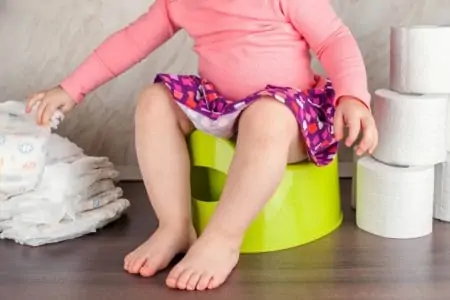
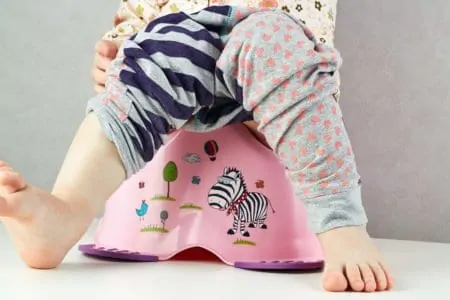
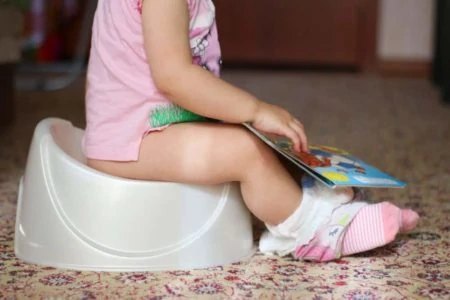
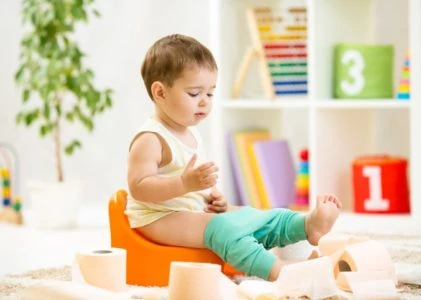
Readiness is the real first decision, and it shows up in behavior rather than birthdays, such as staying dry for longer stretches, telling you after a wet diaper, and being able to pull pants up and down alone. From there the choices are practical. A floor potty is less intimidating and easier for a child to climb onto alone, while a seat reducer on the big toilet skips the extra cleanup and the transition later. Pull ups keep car seats and naps manageable, though they can slow things down if a child wears them all day. A standing urinal suits some boys and does nothing for others. Story books do more work than most parents expect, because a character who is nervous about the flush gives a child words for the fear.

Night dryness is a separate skill on a separate clock, often years behind daytime, and wetting the bed at five or six is common rather than a setback. Call your pediatrician if a child who was reliably dry for months starts wetting again, if peeing hurts, or if daytime accidents come back out of nowhere.

More in Activities & Education