Mosquitoes are more than just a nuisance; they worry every parent. With mosquito-borne illnesses on the rise, keeping those pesky bloodsuckers away from your little one is a top priority.
But applying bug spray to delicate baby skin can feel risky. You might worry about potential allergic reactions or whether the chemical ingredients are truly safe for infants.
We spent hours researching the best mosquito repellents for babies and kids to find options that balance safety with effectiveness. We tested various sprays, lotions, and balms, scouring user reviews to see what works in the real world. Here are our seven favorite products to help you enjoy the outdoors without the stress of bug bites.
- 12 hours protection
- It smells good
- Made with picaridin
- All-natural formula
- Dries quickly without sticky residue
- Gentle on baby’s skin
- Lasts for 8 hours
- A little goes a long way
- Moisturizing
Why Babies Need Mosquito Protection
While humans have coexisted with bugs for centuries, protecting your baby is critical. Infants have sensitive skin that often reacts more severely to bites than adult skin does.
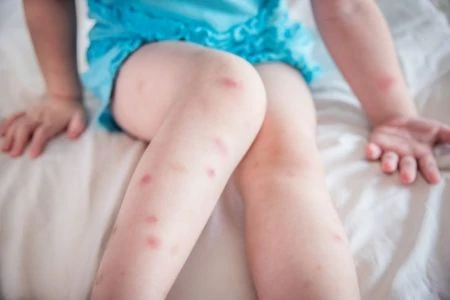
Mosquito bites can cause significant discomfort for babies. You might notice large swelling, bruising, or even low-grade fevers. Some children develop “Skeeter Syndrome,” which is a significant allergic reaction to the mosquito’s saliva.
Watch for these signs of a reaction (1):
- Large swelling: The area becomes red and puffy.
- Bruising: Dark spots appear around the bite.
- Systemic symptoms: Low fever or swollen lymph nodes.
- Hives: A rash spreads beyond the bite site.
Beyond the itch, there is the risk of infection. Babies cannot control their scratching, which opens the skin to bacteria.
There is also the risk of disease. Mosquitoes in the U.S. can carry West Nile virus and various encephalitis viruses. While severe cases are rare, preventing the bite is the best medicine.
Are Bug Sprays Safe for Infants?
No chemical product is entirely without risk, but the dangers of mosquito-borne diseases often outweigh the risks of repellents when used correctly.
Severe side effects from repellents are extremely rare but can include behavioral changes or irritability (2). However, millions of people use these products annually without issue.
If you are worried about applying chemicals like DEET directly to your baby’s skin, you have alternatives. You can treat clothing instead of skin, use mosquito netting over strollers, or opt for essential oil-based repellents (though these require more frequent application).
Note on Electronic Repellents: You might see ultrasonic devices that claim to scare off bugs with sound. Most studies show these are generally ineffective, so stick to physical barriers or topical repellents (3).
Product Reviews
We found these seven repellents to be the safest and most effective options for babies and toddlers.
SallyeAnder No Bite Me Cream
Best Mosquito Repellent Cream

This hand-crafted cream does double duty; it keeps mosquitoes away and acts as an after-bite treatment if a bug manages to get through.
The formula relies on a potent blend of essential oils, including cedar, mint, lemongrass, geranium, clove, thyme, and rosemary. It has a strong herbal scent that bugs hate.
Unlike greasy sprays, this cream rubs in well. Since it is a cream rather than a spray, you have total control over application, making it safe for faces (just avoid the eyes). It creates a physical barrier that does not sweat off easily, making it a solid choice for active toddlers in the summer heat.
We also love that SallyeAnder creates their products in the U.S. and never tests on animals.
Pros
- Natural ingredients: No harsh chemicals.
- Sweat-resistant: Stays on during play.
- Dual-purpose: Prevents bites and soothes existing ones.
Cons
- Strong scent: The herbal smell is intense.
- Price: It costs more than standard sprays.
Our Ratings
Avon Skin-So-Soft Bug Guard
Best Mosquito Repellent & Sunscreen Combo
For busy parents, a 2-in-1 product is a lifesaver. This lotion combines SPF 30 sunscreen with bug repellent, protecting your child from both sunburn and bites in one step.
The formula includes Vitamin E and aloe to moisturize skin, and it skips the DEET and PABA. It effectively repels mosquitoes, deer ticks, and black flies.
It is safe for children 6 months and older. Keep in mind that sunscreen usually needs reapplication more often than bug spray. You can reapply this every two hours, but do not exceed nine applications a day.
Many moms prefer this lotion because it lacks the chemical smell typical of aerosol sprays.
Pros
- Age appropriate: Safe for babies 6 months and up.
- Convenient: Combines sun and bug protection.
- Gentle scent: Not overpowering like essential oils.
Cons
- Frequent reapplication: Necessary due to the sunscreen component.
- Texture: Can feel slightly heavy compared to sprays.
Our Ratings
Natrapel Tick & Insect Repellent with 20% Picaridin
Best Picaridin Mosquito Repellent
If you want the strength of DEET without using actual DEET, Picaridin is your best bet. Natrapel uses a 20% Picaridin formula that is safe for babies as young as two months old (4).
This spray offers up to 12 hours of protection, making it ideal for camping trips or long days at the park. It repels the insects that carry Lyme disease, Zika, and West Nile virus.
The application is straightforward, but remember to spray it into your hands before applying it to your baby’s face. It is also safe for use during pregnancy and breastfeeding.
Reviewers often mention this is the only thing that works in deep woods or swampy areas, making it a heavy-hitter for families who love nature.
Pros
- Picaridin formula: Effective alternative to DEET.
- Long-lasting: Protects for up to 12 hours.
- Broad spectrum: Repels ticks and mosquitoes effectively.
- Better smell: Less chemical odor than DEET.
Cons
- Greasy feel: Can leave skin feeling oily.
- Fabric warning: May stain certain synthetic fabrics.
Our Ratings
Babyganics Natural Insect Repellent
Best Smelling Mosquito Repellent for Baby

Strong chemical smells can irritate a baby’s nose and eyes. Babyganics offers a gentler solution with a blend of essential oils including peppermint, rosemary, citronella, lemongrass, and geranium.
This formula is DEET-free and non-toxic, making it a favorite for parents prioritizing natural ingredients on sensitive skin. While the scent repels bugs, most humans find it pleasant and sweet.
Because it uses natural oils, it does not last as long as chemical repellents. You will need to reapply it every 90 minutes to two hours for consistent protection. The pump spray allows for easy application, but it can leave an oily residue.
Pros
- Pleasant scent: Smells like herbs rather than chemicals.
- Gentle ingredients: Great for sensitive skin.
- Quick drying: Lightweight feel.
Cons
- Attracts bees: The floral scent might draw stinging insects.
- Oily: Can stain clothing if applied heavily.
Our Ratings
OFF FamilyCare Insect Repellent, Smooth & Dry
Best DEET Mosquito Repellent for Baby

When you are in a high-risk area for Zika or West Nile, DEET is the gold standard for protection. OFF FamilyCare uses a lower concentration of DEET (15%), making it effective yet suitable for children over 2 months old (when applied sparingly).
The “Smooth & Dry” formula solves the biggest complaint about DEET: the greasy feel. It dries into a powder-like finish that is not sticky. It repels mosquitoes, gnats, ticks, biting flies, and fleas.
Since this is an aerosol, never spray it near your baby’s face. Spray it onto your palms outdoors, let the cloud dissipate, and then rub it onto your child’s exposed skin.
Pros
- Highly effective: Proven protection against disease-carrying bugs.
- Dry feel: No sticky residue.
- Versatile: Works on ticks, flies, and fleas too.
Cons
- Chemical smell: Typical bug spray odor.
- Fabric damage: DEET can damage synthetics and plastics.
Our Ratings
Repel Lemon Eucalyptus Insect Repellent
Best Alternative Mosquito Repellent

Warning: This product is best for toddlers and older kids. The CDC advises against using Oil of Lemon Eucalyptus (OLE) on children under 3 years old (5).
For families with children over age 3, this is a fantastic plant-based alternative to DEET. It provides up to six hours of protection, which rivals many chemical sprays.
The pump spray is eco-friendly and allows for targeted application. It has a distinct lemon scent that covers the eucalyptus smell, though some sensitive noses still find it strong.
Pros
- DEET-free: Uses plant-based OLE.
- Long protection: Lasts up to six hours.
- Good value: Affordable price point.
Cons
- Age restriction: Not for children under 3 years old.
- Scent: Strong lemon odor.
Our Ratings
Cutter Lemon Eucalyptus Insect Repellent
Best Non-Staining Formula

Like the Repel product above, this Cutter spray relies on Oil of Lemon Eucalyptus. Do not use this on children under 3 years old.
This formula stands out because it is less sticky and less likely to stain gear than other oil-based repellents. It offers six hours of protection against mosquitoes.
If you are using this alongside sunscreen, always apply the sunscreen first, let it dry, and then apply the repellent. This ensures the SPF remains effective while the repellent stays on the surface to ward off bugs.
Pros
- Clean application: Non-sticky feel.
- DEET-free: Plant-based active ingredient.
- Effective: Proven to repel mosquitoes.
Cons
- Skin reaction: Essential oils can irritate some skin types.
- Age limit: Only for kids 3+.
Our Ratings
Age Guidelines for Mosquito Repellents
You cannot grab just any bottle off the shelf for a baby. The ingredients dictate the minimum safe age.
According to the AAP and CDC, you can start using these active ingredients once your baby is 2 months old (6):
- DEET: Look for concentrations between 10% and 30%.
- Picaridin: A synthetic alternative to DEET that is less oily.
- IR3535: A common ingredient in European repellents.
Important Exception: Do NOT use Oil of Lemon Eucalyptus (OLE) or PMD on children under 3 years old.
DEET Concentration Matters
How to Safely Apply Repellent
Applying chemicals to a wiggly baby takes care. Follow these rules to keep them safe:
- Hands first: Never spray directly onto a baby’s face. Spray it into your hands and dab it on their cheeks and forehead, avoiding the eyes and mouth.
- Cover clothes, not skin: Whenever possible, spray the clothing rather than the skin beneath it.
- Avoid hands: Babies constantly put their hands in their mouths. Do not put repellent on their hands.
- Skip the wounds: Do not spray over cuts, scratches, or eczema flare-ups.
- Wash it off: Once you are back indoors for the day, wash the treated skin with soap and water.
- One and done: Try to limit application to once a day. If you need longer protection, consider using netting or physical barriers (7).
Are Natural Repellents Effective?
Natural repellents usually rely on essential oils like citronella, peppermint, or cedar. They can be effective, but they work differently than chemicals.
- Shorter duration: Natural oils evaporate quickly. You might need to reapply them every 30 to 60 minutes, whereas DEET can last for hours.
- Safety check: “Natural” does not automatically mean “safe.” Essential oils can still cause skin irritation or allergic reactions in babies. Always do a patch test on a small area of the leg first.
FAQs

What Helps a 1-Year-Old With Mosquito Bites?
If your toddler gets bitten, you can soothe the itch with a cold compress or an ice cube wrapped in a cloth. Calamine lotion or a hydrocortisone cream (approved by your doctor) can reduce inflammation. A paste of baking soda and water can also help neutralize the itch.

What Scents Prevent Mosquito Bites?
Mosquitoes generally dislike strong, volatile scents. Citronella is the most famous, but lavender, peppermint, cedarwood, and garlic also deter them. However, these scents must be strong and fresh to work, which is why essential oil sprays need frequent reapplication.

Does Baby Oil Stop Mosquitoes?
No, regular mineral baby oil does not repel mosquitoes. It might make skin slippery, but it contains no repellent properties. However, some specific bath oils (like Avon Skin-So-Soft) contain specific ingredients that have a mild repellent effect, though less than DEET.

Does Johnson and Johnson Baby Lotion Repel Mosquitoes?
No. Standard baby lotions are designed to moisturize, not repel insects. Unless the bottle specifically states it contains an insect repellent, do not rely on it for protection.

Can I Use Wristbands or Stickers Instead of Spray?
You can use wristbands or stickers, but they are generally less effective than sprays. They only create a small “halo” of protection around the wrist or the sticker site, leaving the rest of the body exposed. They are better than nothing, but not reliable for high-risk areas.

Is Permethrin Safe for Babies?
Permethrin is a powerful insecticide that is safe for clothing and gear, but not for direct skin application. You can treat your stroller canopy or baby carrier with Permethrin spray (let it dry completely before use) to add an extra layer of protection without putting chemicals on your baby’s skin.
The Bottom Line
For a safe, versatile option, we recommend SallyeAnder No Bite Me cream. Its dual ability to repel bugs and soothe existing bites makes it a diaper bag essential. Plus, the cream format ensures you never accidentally spray it in your baby’s eyes.
If you need heavy-duty protection for deep woods or high-risk virus areas, a Picaridin-based spray like Natrapel is your best, scientifically-backed choice for infants over 2 months.