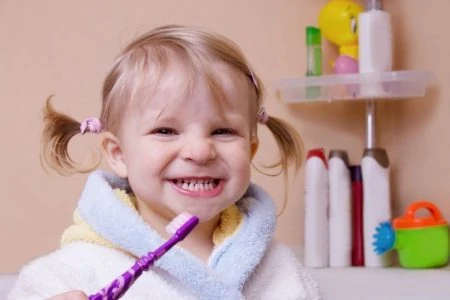
Let’s be real: getting a toddler to open wide for tooth brushing can feel like wrestling a tiny, angry alligator. But it doesn’t have to be a daily battle. You can turn dental hygiene into a fun game with the right gear.
We spent hours researching the best toothbrushes for babies and toddlers, consulting dentists and getting real-world feedback from parents. Then, we tested the top contenders on our own kids to see which ones survived the chew test.
Here are the winners that will make tooth-cleaning time a breeze.
- Replaceable AAA battery
- Replaceable brush heads
- Comes with a timer
- Lots of accessories in this set
- Comes with a brushing chart
- Replaceable batteries
- 60-day risk-free trial
- Rechargeable
- Compatible with Oral-B refills
- Four different heads
- Massages gums and cleans teeth
- Suitable for newborns
- Cute giraffe design
- Soft bristles are gentle
- Easy for babies to hold
Types of Toothbrushes for Babies and Toddlers
You have a few options when it comes to cleaning those little pearls. Most are affordable, so if your baby hates one style, you can swap it out without breaking the bank.
Here is a breakdown of the standard types:

Finger Toothbrushes
Kids love finger puppets. A finger toothbrush taps into that joy. It slides right over your finger, giving you total control. These are usually made of silicone and are extra soft, making them perfect for massaging gums before teeth even erupt or cleaning the first few pearls.
Just be careful. Once your baby starts teething in earnest, your finger becomes a prime target for biting. Use these early on, then switch to a handled brush once they get chomp-happy.
Electric Toothbrushes
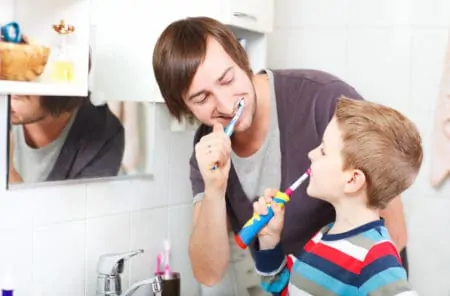
Toddlers love gadgets. An electric toothbrush does the heavy lifting for them. Many feature lights or timers to ensure they brush for the recommended two minutes.
Remember
I thought my daughter would love an electric brush immediately. I was wrong. The vibration freaked her out, and she refused to open her mouth. I put it away for a few months and tried again later.
Eventually, she loved it. But initially, the noise and sensation were too much. If your child is sensitive to sensory input, you might want to start with a manual brush featuring their favorite superheroes or characters before graduating to the buzzing kind.

Manual Toothbrushes
These are the classics. A manual brush usually has a larger head with more bristles than a finger brush, perfect for reaching those back molars that pop up around age two. The downside? There are no shortcuts. You or your child have to do the actual scrubbing motion to get the plaque off. They are great for developing fine motor skills.
How to Choose a Toothbrush for Baby
Babies are generally easy to please if something looks fun. However, safety and comfort are your real priorities. If a brush hurts, you will have a fight on your hands every single night.
Here is what to look for:
Soft Bristles
This is non-negotiable. Toothbrushing shouldn’t look like a crime scene. You want to clean the teeth, not sandblast the enamel. Since baby gums are often inflamed from teething, look for “extra soft” bristles to avoid irritation.

Great Colors or Characters
Never underestimate the power of branding. Your child’s love for a specific cartoon character is your secret weapon. If Elsa or Spider-Man is on the handle, they are infinitely more likely to want to put it in their mouth.
Easy-Grip Handle
Baby hands are clumsy. If the handle is too thin or slippery, it will end up on the bathroom floor. Look for thick, chunky handles, preferably with rubberized grips. This helps your toddler hold it independently, which is a big confidence booster for them.

Head Size and Safety
Check the age recommendation. A brush meant for a 5-year-old is too big for a 1-year-old and could cause gagging. Conversely, a brush that is too small could be a choking hazard if the handle isn’t designed with a safety stopper. Always pick the size that matches your child’s developmental stage.
Product Reviews
We evaluated handle grip, bristle softness, and “fun factor” to bring you the top baby toothbrushes available right now.
Radius Totz Toothbrush for 18 Months
Best Baby Toothbrush for Sensitive Teeth
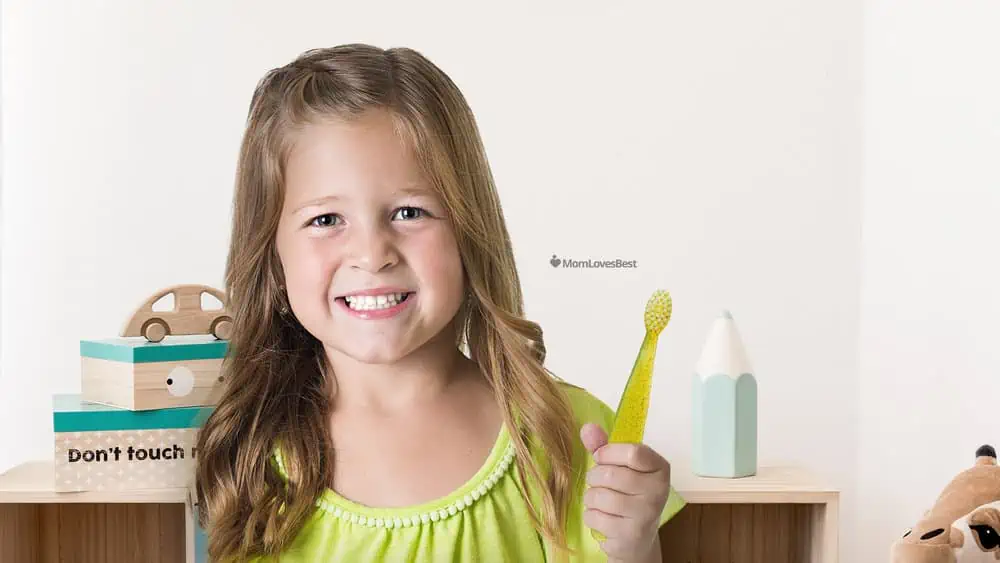
If you are worried about chemicals, this is your pick. These brushes are BPA-free and contain no latex, lead, or phthalates. Even the bristles are vegetable-based.
The standout feature is the 4,500 super-soft bristles. They are incredibly gentle, making this the perfect choice for toddlers with sensitive gums or teeth. The head is oval-shaped with no sharp corners, so it won’t poke the inside of your child’s cheek if they make a sudden move.
The handle is wide and flat. This makes it easy for little hands to grip, though it might not fit in standard toothbrush holders. You get three in a pack, so you are set for months.
Pros
- Includes three different colors in one pack.
- Vegetable-based bristles are eco-friendly.
- Safe design with smooth, rounded corners.
Cons
- The flat handle can get slippery when wet.
- Too wide for standard toothbrush holders.
Our Ratings
Jordan Step 1 Baby Toothbrush
Best First Toothbrush for Baby
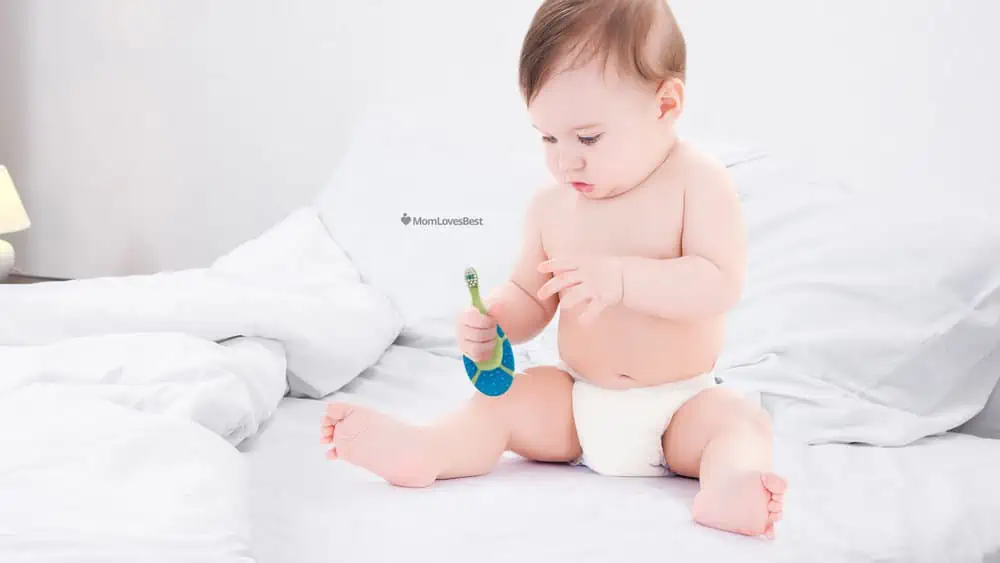
This brush is genius for safety. The handle is an oval ring that is much wider than the brush head. This acts as a safety stopper, preventing your baby from shoving the brush too far down their throat and gagging.
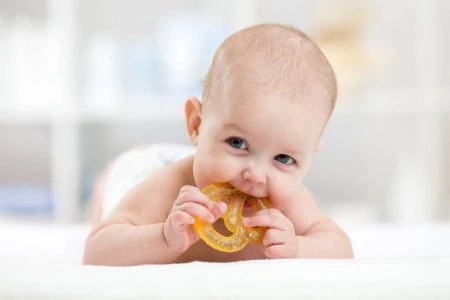
The ring handle is easy for babies to grasp, and the textured rubber serves as a great teething ring for sore gums. It covers the age range of 0 to 2 years.
We also like the “toothpaste indicator.” The colored bristles in the center show you exactly how much toothpaste to apply, so you don’t overdo it.
Pros
- Economical four-pack.
- Impossible to swallow or gag on due to wide handle.
- Bristles are soft and gentle.
Cons
- Bristles may wear out quickly if your baby chews on them heavily.
Our Ratings
Brush Baby BabySonic Electric Toothbrush
Best Electric Toothbrush for Toddlers
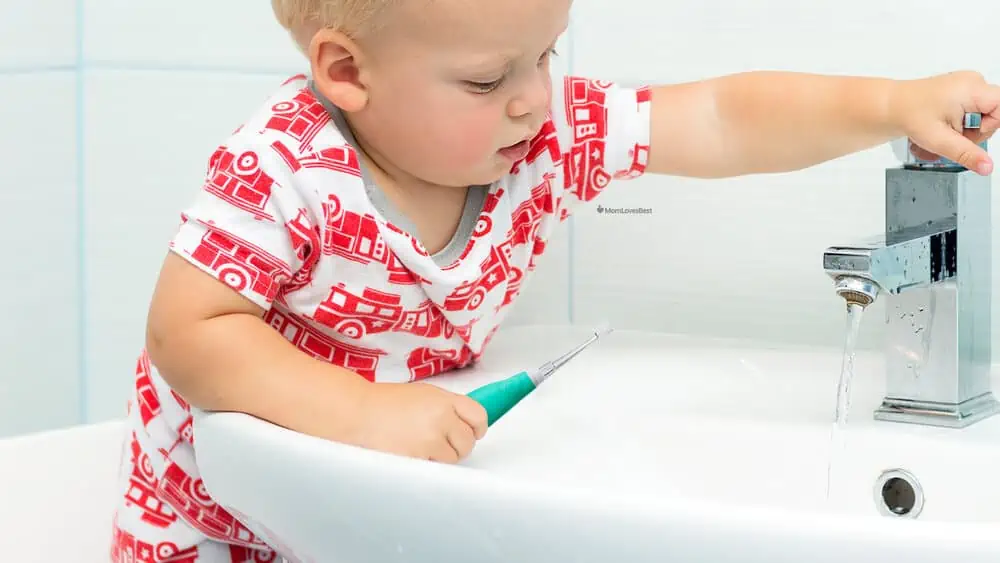
Transitioning to electric brushes can be scary for kids, but the BabySonic keeps it chill. It uses gentle vibrations rather than aggressive spinning, which is less intimidating for little ones.
The head is tiny, perfectly sized for baby mouths. It features a light timer that keeps kids entertained and lets you see inside their mouth clearly. The timer runs for two minutes, with a pulse every 30 seconds to remind you to switch quadrants.
It comes with two brush heads: one for infants (0-18 months) and one for toddlers (18-36 months), giving this brush a long lifespan in your bathroom cabinet.
Pros
- Replaceable AAA battery included.
- Includes two different sized brush heads.
- Light-up timer teaches good habits early.
Cons
- Pricey compared to manual options.
- Vibration is very gentle; some parents prefer more power.
Our Ratings
Brusheez Children’s Electric Toothbrush
Best Toothbrush for a Busy Toddler
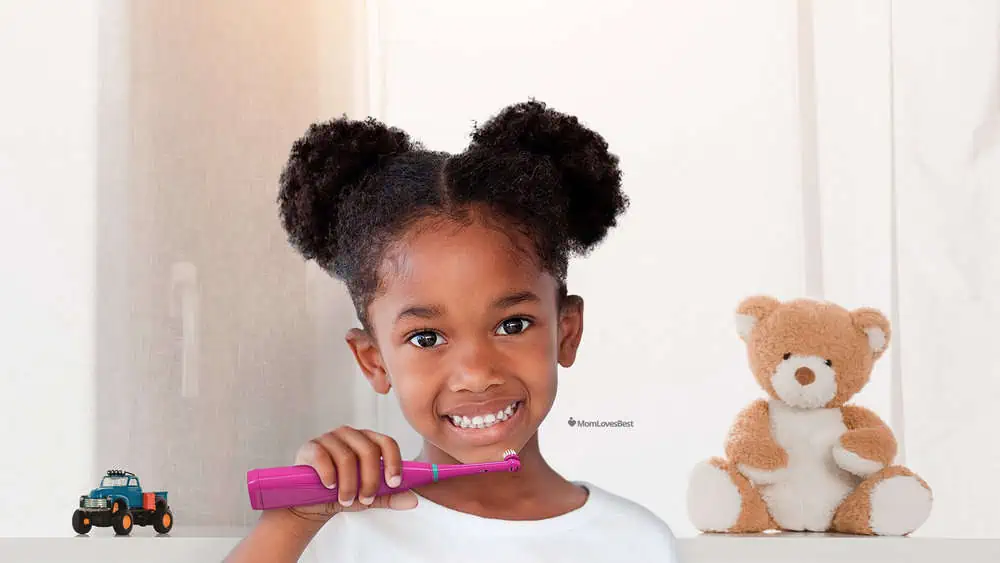
This is more than a toothbrush; it’s a full countertop kit. It includes a cute animal-themed electric brush, a rinse cup, a sand timer, and a stand to hold it all together.
The sand timer is a great visual aid for toddlers who don’t understand digital timers yet. They can watch the sand fall while they brush. The included cover keeps the bristles clean from bathroom germs.
With four animal designs to choose from, you can let your child pick their “brushing buddy,” which gives them a sense of ownership over the process.
Pros
- Complete set with cup and stand.
- Visual sand timer is great for learning.
- Includes a brushing chart to track progress.
Cons
- The power button can be stiff for small fingers.
- Motor is slightly louder than other baby brands.
Our Ratings
Oral-B Disney Kids Electric Rechargeable Toothbrush
Best Baby Toothbrush with a Timer
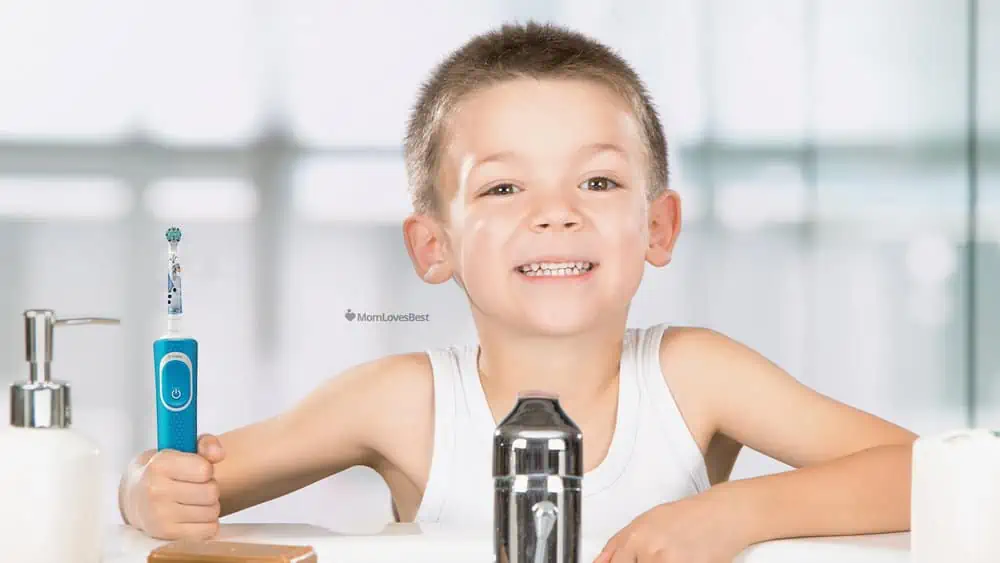
This is the heavy hitter of kids’ toothbrushes. It pairs with the Disney Magic Timer app. As your child brushes, hidden images of Disney characters are revealed on the screen. It essentially gamifies oral hygiene.
It is rechargeable, so you aren’t constantly hunting for AA batteries. The pressure sensor slows down the brushing speed if your child presses too hard, protecting delicate gums.
You can switch out the heads with various Oral-B refills, making this a versatile handle that can grow with your child for years.
Pros
- Compatible with the interactive Disney Magic Timer app.
- Rechargeable base saves money on batteries.
- Pressure sensor prevents aggressive brushing.
Cons
- The handle is a bit chunky for very small hands.
Our Ratings
BabyBaus Finger Baby Toothbrush
Best Finger Baby Toothbrush
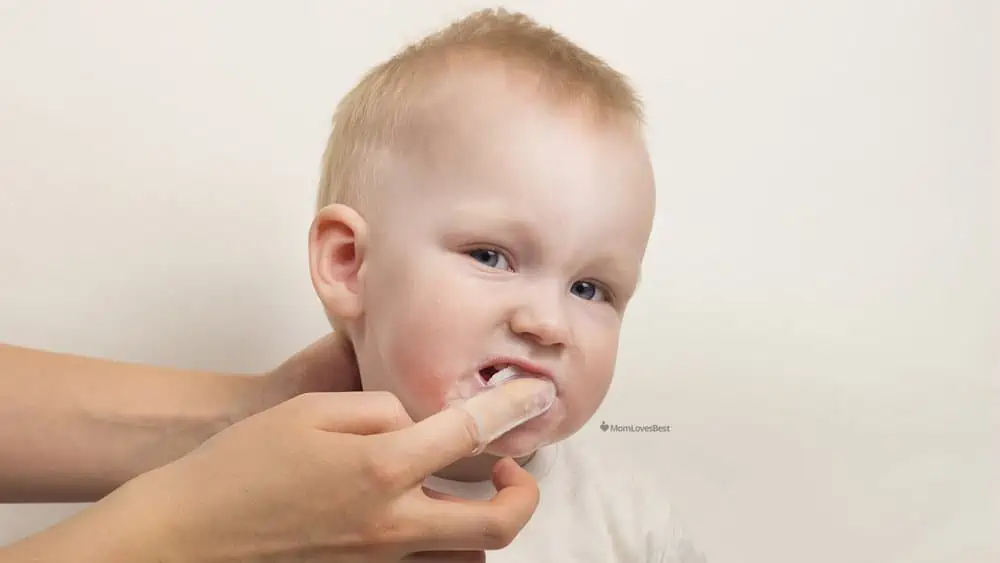
For the earliest stage of oral care, you can’t beat these finger brushes. They are FDA-approved and made from 100% food-grade silicone.
Because you wear it on your finger, you can feel exactly where you are brushing, ensuring you don’t hurt your baby’s gums. This is especially helpful for wriggly babies who won’t sit still.
Each brush comes with its own case. This is a huge plus for hygiene and travel. You can toss one in the diaper bag without it getting covered in lint.
Pros
- Individual cases keep brushes sanitary.
- Excellent value for the price.
- Can also be used to clean pets’ teeth in a pinch.
Cons
- Tight fit for parents with large fingers.
- Clear silicone is easy to lose if dropped.
Our Ratings
Colgate My First Baby and Toddler Toothbrush
Best Baby Toothbrush for Sore Gums
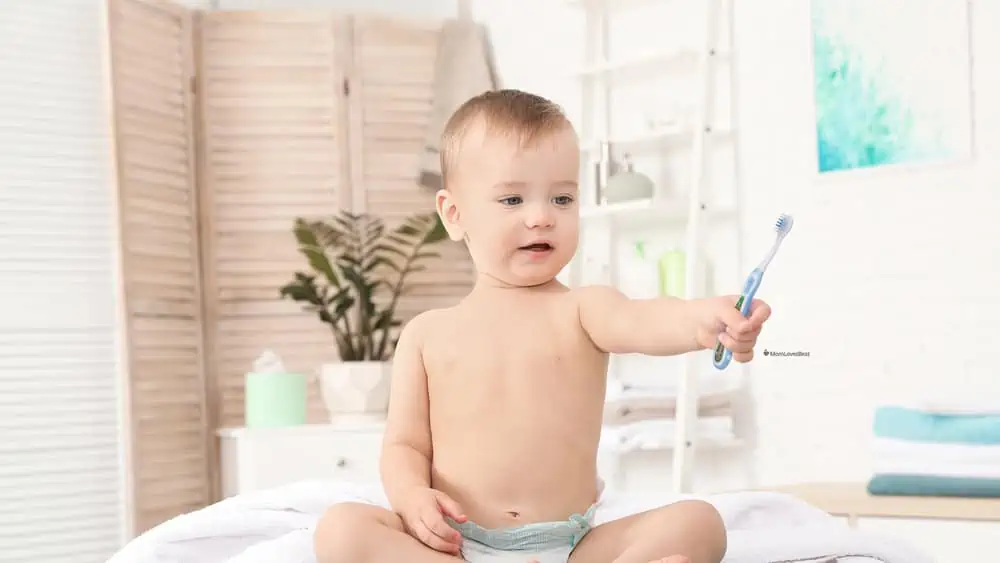
Sometimes simpler is better. These Colgate brushes are no-frills, but they get the job done reliably. The bristles are extra soft, specifically designed for infants and toddlers up to age two.
The handle features a non-slip grip, which is helpful during bathtime brushing sessions when everything is wet.
They come in a six-pack. Since toddlers often chew on their brushes, splaying the bristles within weeks, having a bulk supply on hand is a smart move for your wallet.
Pros
- Very affordable bulk pack.
- Bristles are secure and don’t shed easily.
- Non-slip handle is easy for parents to control.
Cons
- Bristles wear out quickly with chewing.
- Handle angle can be slightly awkward for parents.
Our Ratings
Dr. Fresh Extra Soft Toothbrushes
Colorful Kid's Toothbrush
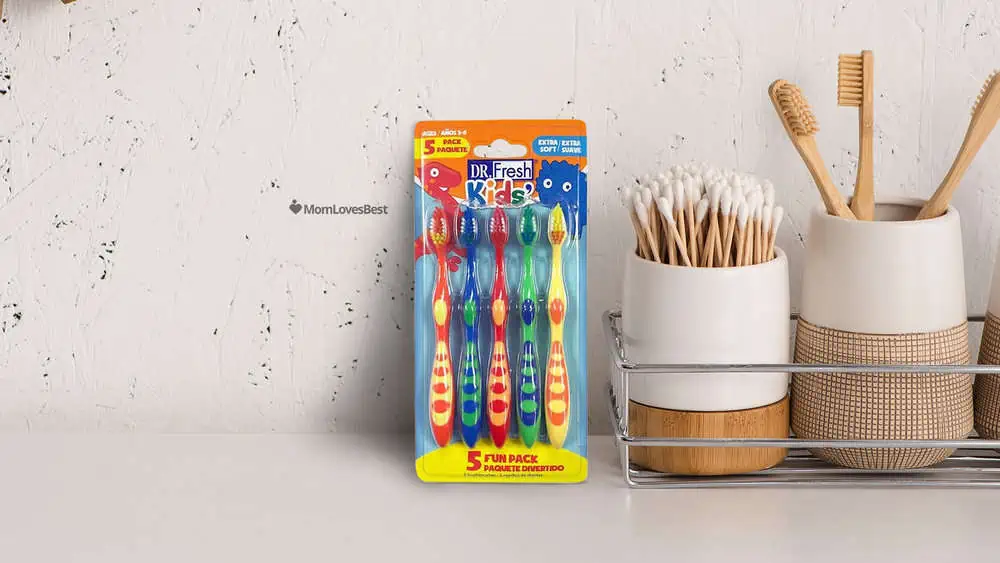
These brushes are all about visual appeal. The bright, neon colors are engaging for toddlers who are learning to identify their favorite hues.
The handle has a wavy texture that fits well in small hands, helping your child learn the motor skills needed for brushing.
It is a budget-friendly five-pack. While they might not be the most high-tech brushes on the list, they are a solid choice for a backup stash or for keeping at grandma’s house.
Pros
- Extremely inexpensive option.
- Wavy handle provides a decent grip.
- Fun colors appeal to toddlers.
Cons
- Bristles are not as soft as premium brands.
- Shedding can occur if the child chews on them hard.
Our Ratings
Nuby 4 Stage Oral Care Set System
Best Massaging Baby Toothbrush
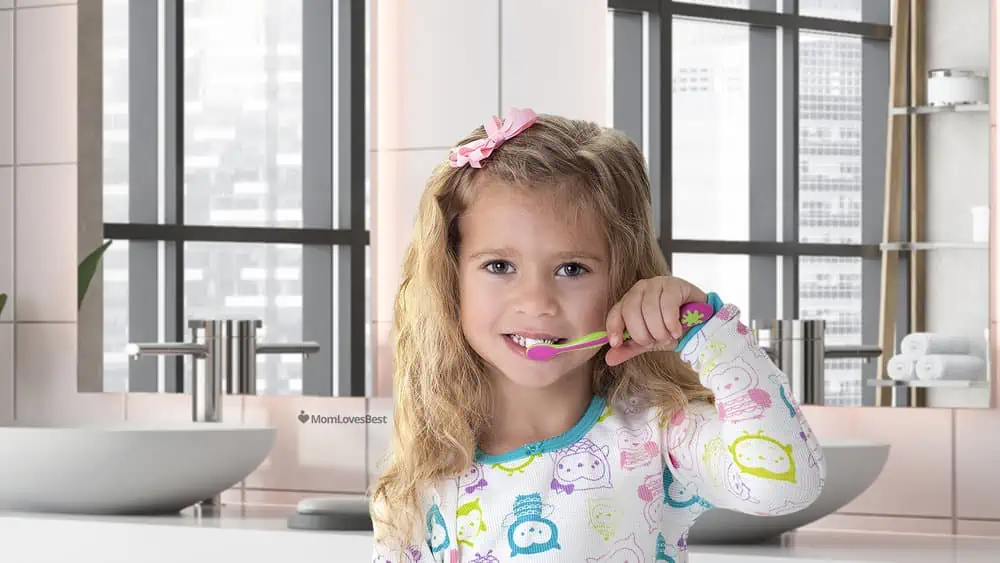
Why buy four different brushes over two years when you can buy one kit? The Nuby system walks you through every stage of oral development.
It starts with a silicone massager for gums, moves to a massaging brush for teething, then a cleaning brush for new teeth, and finally a soft nylon brush for a full set of toddler choppers.
We love the versatility. You can start using the silicone finger massager on day one to get your baby used to oral care, setting the stage for easier brushing later on.
Pros
- Comprehensive system covers ages 0 to 6 years.
- Excellent for relieving teething pain.
- Cost-effective compared to buying individually.
Cons
- Rubber bristles on the early stages can be chewed off.
- Colors vary, so you can’t pick your favorite.
Our Ratings
Dr. Brown's Baby Toothbrush
Best Toothbrush With Soft Bristles
This giraffe-shaped brush is as functional as it is cute. The four legs allow the toothbrush to stand upright on the counter. This keeps the bristles from touching dirty surfaces and drying out properly between uses.
The bristles are extremely soft, and the handle shape, the giraffe’s body, is surprisingly ergonomic for little fists.
It is designed for ages 0-3. The design makes it feel like a toy, which is a great way to lower resistance during the bedtime routine.
Top Tip
Wash with warm soapy water, but do not boil or steam sterilize this brush. The heat can warp the plastic legs, and your giraffe won’t stand up anymore.
Pros
- Stands upright to stay hygienic.
- Fun animal design encourages use.
- Soft bristles are safe for all ages.
Cons
- Not the most durable option; heavy chewers may destroy it quickly.
Our Ratings
FAQs

How Often Should I Brush My 2-Year-Old’s Teeth?
You should brush your 2-year-old’s teeth twice a day. Aim for once in the morning after breakfast and once at night before bed. Each session should last about two minutes to ensure all plaque is removed.
How Do I Brush My Toddler’s Teeth Without a Fight?
Turn it into a game. Use apps like Pokemon Smile, let them brush your teeth while you brush theirs, or let them pick out their own fun toothbrush. Distraction is key; try singing a specific “brushing song” or letting them hold a toy while you do the work.
When Should I Change My Toddler’s Toothbrush?
The American Dental Association recommends changing toothbrushes every three months. However, toddlers often chew on the bristles, ruining them faster. If the bristles look frayed or splayed, replace them immediately. You should also swap it out after your child has been sick to prevent reinfection.
Are U-Shaped Toothbrushes Better for Toddlers?
U-shaped brushes are great for kids who lack the motor skills to scrub properly, as they cover all teeth at once. However, some dentists argue they don’t clean as thoroughly near the gumline as a traditional brush. They are safe to use, but you might want to follow up with a regular brush occasionally to be sure.
Are Rotating or Sonic Toothbrushes Better for a Toddler?
Both are effective at removing plaque. Rotating brushes physically scrub the tooth, while sonic brushes use vibration to break up plaque. The “better” choice depends on your child’s preference. Some kids find the noise of rotating brushes scary but don’t mind the gentle hum of a sonic brush.
When Should I Start Brushing My Baby’s Teeth?
Start oral care before the first tooth even appears. Use a soft cloth or finger brush to wipe their gums daily. Once the first tooth pops through, switch to a small, soft-bristled toothbrush and a smear of toothpaste the size of a grain of rice.
What Is the Best Toothbrush for a Toddler?
There is no single “best” brush, but there is a best brush for your toddler. If they have sensitive gums, the Radius Totz is fantastic. If you need a distraction, the Oral-B Disney Timer is a winner.
The Bottom Line
Finding the right tool can turn tears into smiles. While every child is different, our top pick for the best overall baby toothbrush is the Radius Totz.
We love it because it bridges the gap between safety and effectiveness. The bristles are incredibly soft for sensitive mouths, but there are enough of them to get a real clean. Plus, the corner-free head prevents accidental bumps and scrapes.
Whatever you choose, the most important thing is consistency. Keep trying, keep it fun, and don’t let a tantrum derail the routine. Good habits start now!