Has your baby started shaking their head side-to-side? It can be startling to watch, and you might naturally worry it’s a sign of a problem.
While you expect crayon marks on the walls and toys under your feet, sudden, repetitive movements can feel unsettling.
The good news is that head shaking is usually a harmless part of development. Understanding why your baby does it can help you spot milestones and know when it’s time to call the pediatrician.
Key Takeaways
- Normal development: Head shaking is often a sign of playfulness, exploration, or self-soothing.
- Common causes: Babies may shake their heads when tired, nursing, or imitating adults.
- Medical concerns: In some cases, it signals an ear infection or, more rarely, a developmental issue like autism.
- Action plan: Monitor the context and frequency; consult a doctor if you notice other symptoms like fever or developmental delays.
Is It Normal for Babies to Shake Their Heads?
Many parents panic when they see their little one shaking their head back and forth, but the answer is usually simple: it is rarely a cause for alarm.
During the first year, your baby’s gross motor skills develop rapidly. This refers to how they use their large muscles to interact with the world. By seven months, most babies can sit up, roll over, and manipulate objects.
Head shaking is often just another way they test their range of motion and their vestibular system (balance).
Most of the time, your baby is shaking their head for one of these common reasons (1):
- Exploration: Your baby is testing how their body works. They might discover that shaking their head makes them feel a little dizzy or changes their vision, which is a fascinating new sensation for them.
- Self-soothing: Just like rocking back and forth, the rhythmic motion of head shaking can relax a baby. You might notice this happens most often when they are trying to fall asleep.
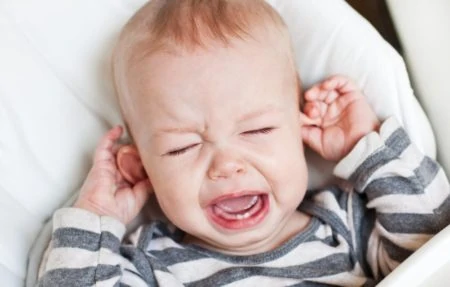
- Ear infections: Children under three are at high risk for ear infections. If the shaking is accompanied by tugging at the ears or crying, they may be trying to alleviate fluid pressure.
- Imitation: Babies are like sponges. If you have shaken your head “no” at them, they might simply be copying you. Eventually, they will learn to associate this movement with the word “no.”
- Nursing: When trying to latch, a baby often moves their head side-to-side (the rooting reflex). They may also shake their head to signal they are full or excited.
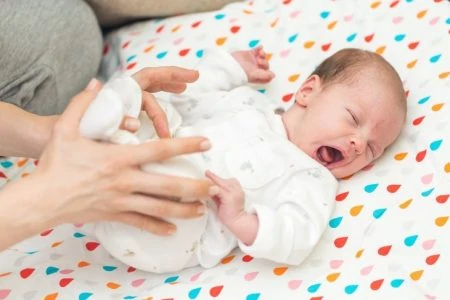
- Fatigue: A tired baby often acts physically erratic. Shaking their head can be a sign they are overtired and struggling to settle down.
- Excitement: Sometimes, it is just pure joy. If your baby gets a reaction from you, like laughter or attention, they will likely do it again to keep the interaction going.
Red Flags: When to Call the Doctor
While most head shaking is benign, there are specific instances where it indicates pain or a medical issue. You know your baby best, so if the movement feels “off” or obsessive, pay attention to the context.
Consult your pediatrician immediately if you notice head shaking combined with these warning signs:
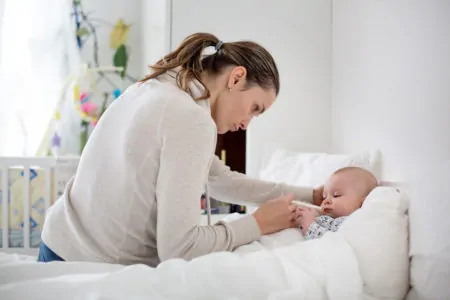
- Signs of illness: Look for a fever over 102°F, rashes, or noticeable lethargy.
- Injury: If your baby recently fell or bumped their head, shaking could indicate trauma.
- Stress triggers: Note if the shaking increases drastically during times of anxiety or agitation.
- Self-harm: Your baby bangs their head against the crib, wall, or floor intentionally.
- Social disconnect: The baby does not make eye contact, respond to their name, or interact with caregivers.
- Regression: Your child stops doing things they used to do, such as babbling or sitting up.
- Seizure symptoms: If the shaking is accompanied by stiff limbs, staring spells, or jittery movements that you cannot stop, this could be a myoclonic seizure. This is rare but requires emergency care.
The most common medical culprit is an ear infection. Infants cannot verbalize pain, so they use movement.
If your baby gets upset when lying flat, has fluid draining from the ear, or runs a high fever, the head shaking is likely an attempt to clear their ears (2).
Is Head Shaking a Sign of Autism?
Head shaking alone is rarely a sign of autism. Autism Spectrum Disorder (ASD) usually presents with a cluster of behaviors over time, not just a single physical movement.
However, repetitive movements, sometimes called “stimming,” can be an early indicator if present alongside other developmental delays. You can begin to identify these markers as early as 18 months (3).
If you are concerned about autism, look for these additional signs alongside the head shaking:
- Poor eye contact: Babies typically lock eyes with caregivers, especially during feeding. A consistent lack of eye contact is a potential red flag.
- Lack of communication: By 12 months, most babies use gestures like pointing or waving. A lack of gestures or a regression in speech is concerning.
- Social unresponsiveness: If your baby does not respond to their name or seems “in their own world” despite your attempts to engage them, mention this to a doctor.
- Repetitive behaviors: Beyond head shaking, look for hand-flapping, spinning, or an intense fixation on specific objects (like spinning wheels on a toy car).
If your baby is meeting their other milestones, smiling, babbling, and interacting, the head shaking is likely just a quirky habit they will outgrow.
How to Stop the Behavior
If the head shaking is causing your baby dizziness, leading to falls, or resulting in them banging their head on the crib rails, you may want to intervene gently.
Here are a few ways to discourage the habit without creating stress:
- Ignore it: This is the most effective method for behavioral shaking. If they are doing it for attention, laughing or saying “stop” reinforces the behavior. Keep a neutral face and look away.
- Track the timing: If they shake their head only when tired, focus on adjusting their nap schedule. If they do it to self-soothe, help them find other ways to relax, such as a pacifier or a lovey (if age appropriate).
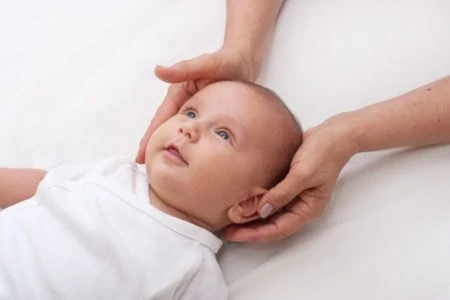
- Calm the environment: If overstimulation is the trigger, dim the lights, reduce noise, and gently rock them. Place your hand softly on the back of their head to offer stability and comfort.
- Try massage: Using baby lotion, try a soothing massage to relax their neck and back muscles. This can release tension that might be causing the urge to shake.
- Consult a professional: If the behavior persists or worsens, seeing a doctor will give you peace of mind and rule out physical causes like inner ear fluid.
FAQs
What Are the Signs of ADHD in Babies?
Diagnosing ADHD in infants is difficult because short attention spans and high energy are developmentally normal. However, potential early markers include extreme restlessness, difficulty soothing, and impulsive behavior that exceeds what is typical for their age. Always consult a specialist rather than self-diagnosing.

How Can You Prevent Your Child From Getting Autism?
Currently, there is no known way to prevent autism. It is caused by a complex mix of genetic and environmental factors. The most effective approach is early detection and intervention, which helps children with autism reach their full potential.

Is It Normal for Babies to Shake Their Head While Sleeping?
Yes, head banging or rhythmic head shaking while falling asleep or during sleep is a common condition called Rhythmic Movement Disorder (RMD). It is usually a form of self-soothing and typically resolves on its own by age 5.
When Do Babies Shake Their Head to Say No?
Babies typically learn to shake their head to communicate “no” between 6 and 11 months old. This gesture often develops before they can verbally say the word, as they mimic their parents’ movements.
Feeling Better Yet?
In the vast majority of cases, a baby shaking their head is just a quirky part of growing up. They are likely exploring their body, soothing themselves to sleep, or just trying to make you laugh.
However, if you spot other developmental delays or signs of pain like a fever, trust your gut. A quick trip to the pediatrician can rule out ear infections or other issues, ensuring your little one stays happy and healthy.