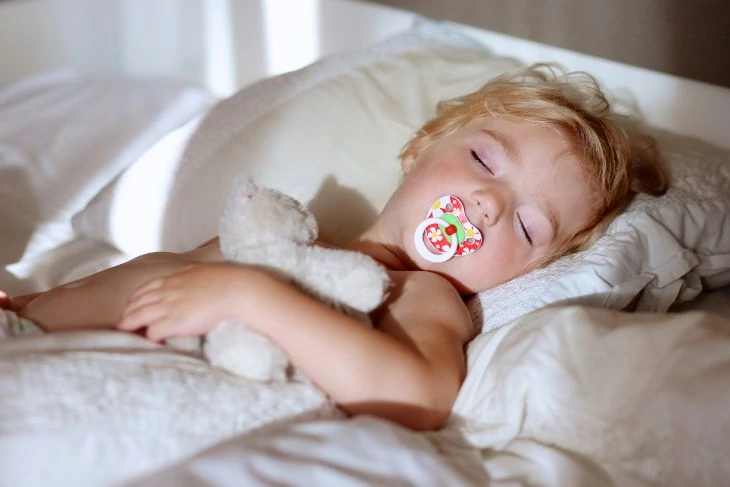
Pacifiers: Pros, Cons, and Choosing the Right One

Your baby finally settles with a pacifier in, and the next thought is usually whether that will cost you later. Two questions come up first: will sucking on a pacifier confuse a newborn who is still learning to latch, and will it push teeth out of line. Timing matters more than either answer. Waiting until breastfeeding is established, usually around three to four weeks, sidesteps most of the latch worry, and dental effects track how long the habit runs past age two or three rather than pacifier use on its own.

Day to day, the questions get smaller. How often a pacifier needs sterilizing versus a plain wash with soap and water, when to toss one because the nipple has gone sticky or torn, whether a one piece silicone design suits your baby better than a two piece, and which shape a baby who spits every pacifier out might actually keep in.

Weaning is its own project. Cutting back gradually, picking a stretch that is not stacked on top of a move or a new sibling, and riding out the few rough nights that follow all get easier after the first birthday, and most guidance puts the outside limit at age three for dental reasons. If your baby refuses a pacifier entirely, that is normal and nothing to fix.

More in Child Health and Safety