If you are experiencing colorful stool or other digestive oddities, don’t panic. We have the lowdown on why this happens, what it means, and when you should call the doctor.
Key Takeaways
- Hormonal impact: Pregnancy hormones affect digestion speed, which can alter stool color.
- Dietary causes: Leafy greens, artificial dyes, and iron supplements are the most common culprits for green poop.
- It is usually normal: Green stool is rarely a sign of danger unless accompanied by pain or blood.
- Watch for warning signs: If you experience severe cramping, dehydration, or mucus in your stool, contact your provider.
The Science Behind Stool Color
Before we dive into why your poop looks like a green smoothie, let’s look at how digestion actually works.
The Digestive System
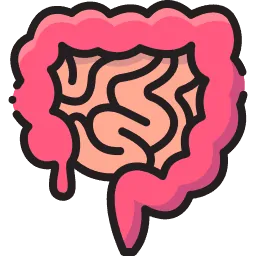
Your digestive system includes every organ involved in processing food from the first bite to the final flush.
Major players include:
- Salivary glands.
- Pharynx and Esophagus.
- Stomach.
- Small and Large Intestines.
- Rectum.
- Liver, Gallbladder, and Pancreas.

What Poop is Made Of
Stool is the waste product that remains after your body absorbs nutrients. It is composed of:
- Water.
- Dead bacteria and cells.
- Indigestible fiber.
- Fats, cholesterol, and salts.
- Protein and mucus.

Why Poop is Usually Brown
The liver produces a greenish-yellow fluid called bile to help break down fats. As bile travels through your intestines, it reacts with enzymes and bacteria. Eventually, it mixes with bilirubin (a byproduct of red blood cells), turning the waste brown (1).
If stool moves too quickly, bile doesn’t have time to break down fully, resulting in a green color.
How Pregnancy Affects Digestion
Pregnancy hormones, specifically progesterone, act as a muscle relaxant. This relaxes the smooth muscles in your intestines, which usually slows down digestion (2).
Slower digestion often leads to constipation because the colon absorbs more water from the waste. However, hormonal shifts can sometimes have the opposite effect, causing rapid transit and diarrhea.
When your body preps for labor, you might also experience loose stools. This is a natural way your body clears the digestive tract before delivery (3).
What Is Normal Pregnancy Poop?
Healthy poop during pregnancy generally looks the same as it did before you conceived, though consistency and frequency may vary.
Color Variations
Ideally, your stool should be soft enough to pass without straining but firm enough to hold its shape.
6 Common Causes of Green Poop
If you notice a verdant shade in the toilet bowl, one of these factors is likely to blame.
1. Green Vegetables
If you have been loading up on nutritious foods like spinach, kale, or broccoli, the chlorophyll can tint your stool green.
Additionally, because your body cannot fully digest fiber, large amounts of leafy greens may pass through your system relatively unchanged. This creates a green appearance due to the undigested food matter itself.
Don't Panic
2. Artificial Food Dyes
Synthetic dyes are potent. A blue slushie, purple cupcake icing, or brightly colored breakfast cereal can easily turn your poop bright green.
Blue and yellow dyes mix in your gut to create green, while purple dyes often break down into green pigments during digestion. If the color change is sudden and you recently ate processed treats, this is the most likely cause.
3. Prenatal Vitamins and Iron
Most pregnant women take prenatal vitamins, many of which contain iron. Doctors may also prescribe separate iron supplements for anemia.
Iron is notorious for turning stool dark green or even black. This happens because your body excretes the unabsorbed iron. As long as the stool is not tarry or bloody, this dark green color is a normal side effect of supplementation.
4. Antibiotics
Antibiotics kill bacteria to stop infections, but they also wipe out the “good” bacteria in your gut. This disruption can alter the color and texture of your stool.
If you are on a course of antibiotics, consider taking a probiotic (spaced a few hours apart from your medication) to help restore your gut flora.
5. Rapid Transit Time (Diarrhea)
When food moves through your system too fast, bile does not have time to break down and turn brown. This leaves the stool looking green.
This “rapid transit” can happen during a stomach bug, periods of high anxiety, or simply due to hormonal fluctuations in early or late pregnancy.
Hydration Is Key
6. Gallbladder Issues
Pregnancy increases the risk of gallstones and cholestasis due to hormonal changes affecting how the gallbladder releases bile. While less common than dietary causes, gallbladder issues can sometimes result in pale, clay-colored, or greenish stools accompanied by abdominal pain.
When Should I Be Concerned?
While green poop is rarely an emergency, your digestive health can signal other issues. Contact your healthcare provider if you experience the following:
1. Persistent Diarrhea
Loose stools that last more than 24 to 48 hours can lead to dehydration, which is dangerous for both you and the baby. Your doctor can check if a virus or bacteria is the cause.
2. Blood or Mucus
Small amounts of bright red blood can be from hemorrhoids, but you should always verify this with a doctor.
Call your provider immediately if you see:
- Large amounts of blood.
- Stool that looks like black coffee grounds (a sign of upper GI bleeding).
- Visible mucus or pus in the stool.
The brighter red the stool, the closer the bleed is to the exit! If you have bright red bleeding, it’s usually due to hemorrhoids. If your stool is black and looks like coffee grounds, the bleeding is higher up in your GI tract. Notify your primary care provider because coffee-ground-type stool is a worrisome side effect.

Editor's Note:
Caitlin Goodwin, MSN, RN, CNM3. Severe Pain
Abdominal pain can range from round ligament stretching to pelvic pressure, but severe cramping is never normal.
Warning Sign
FAQs

Is Green Poop a Sign of Miscarriage?
No, green poop is generally not a sign of miscarriage. It is typically related to diet, vitamins, or digestion speed. However, if the green stool is accompanied by vaginal bleeding or severe abdominal cramping, seek medical attention immediately.
Does Green Poop Predict the Gender of the Baby?
No, green poop does not predict gender. This is an old wives’ tale with no scientific backing. Stool color is determined by what you eat and how your digestive system is functioning, not by the baby’s chromosomes.
Can Prenatal Vitamins Cause Green Poop?
Yes, this is very common. The iron in prenatal vitamins often causes stool to turn dark green or black. This is considered a normal side effect of iron supplementation.
The Bottom Line
Poop is a surprisingly accurate health indicator, but it also causes unnecessary anxiety because “normal” varies so much.
When you add pregnancy hormones and prenatal vitamins to the mix, things are bound to get weird occasionally. Unless you are in pain or see blood, that green tint is likely just your lunch or your supplements working their way through. Keep an eye on it, stay hydrated, and don’t hesitate to ask your doctor if something feels off.