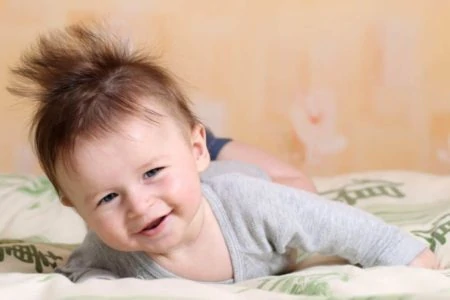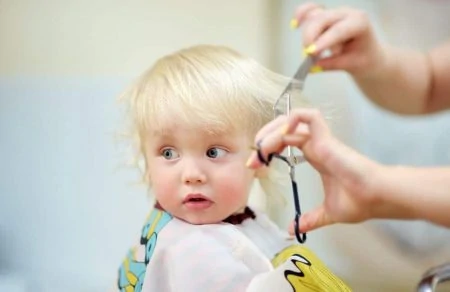
Many parents treat those first few wisps of baby hair like spun gold. We are moms too, so we get it. Cutting those precious locks feels like the end of an era. However, there comes a time when the bangs get in their eyes, or the “baby mullet” gets a little out of control.
Whether you plan to visit a professional salon or brave the scissors at home, preparation is everything. We spoke with stylists to get the best advice on handling your baby’s first haircut to ensure it is a tear-free milestone.
Key Takeaways
- Timing is flexible: There is no specific age for a first haircut; base it on hair length, thickness, and comfort.
- Preparation is key: Talk to your child beforehand using positive words like “trim” or “style” rather than “cut.”
- Distraction works: Use toys, books, or screens to keep your toddler still during the process.
- Save the memory: Keep a lock of hair and take plenty of photos, as the first cut is a major milestone.
When Should Your Baby Have Their First Haircut?
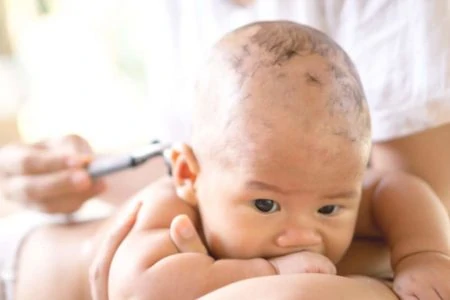
There is no strict rule on the calendar for this. Some babies are born with a full mane that grows rapidly, requiring a trim as early as eight months. Others might remain relatively bald well into toddlerhood.
It usually comes down to practical needs and parental preference. If hair is getting in your baby’s eyes, causing irritation, or is difficult to keep clean, it is likely time for a trim. Some parents prefer the natural “baby wisps,” while others want a cleaner, shaped look.
Keep in mind that baby hair often changes texture after the first cut. The fine, tapered ends of baby hair are replaced by blunt cut ends, which can make the hair appear thicker and darker. Those little curls at the ends might not grow back the same way once snipped.
Make Sure Your Child Is Ready
Most toddlers do not enjoy surprise physical contact from strangers. Think about the process: sitting still in a high chair, wearing a crinkly cape, and having cold scissors near their face.
Prepare your child to reduce anxiety. Explain what will happen in simple terms. You might even bring them along to watch your own haircut so they can see there is nothing to fear. Avoid using the word “cut,” which can sound painful to a literal-minded toddler. Try words like “style,” “trim,” or “fix” instead.
Plan and Prepare the Appointment
Distraction is your best friend during a first haircut. If you are going to a salon, bring their favorite comfort object, a new toy, or be ready to play their favorite show on your phone.
Timing is also critical. Schedule the cut for a time when your child is well-rested and fed. A hungry or tired toddler is a recipe for a meltdown. Morning appointments often work best before the crankiness of the day sets in.
If possible, bring a second adult. One person can hold or entertain the child while the other manages the logistics or takes photos.
Be Ready
Keep the Mood Light
Children are excellent at reading their parents’ emotions. If you are nervous or emotional about them “growing up,” they will sense that tension and may feel unsafe.
Hype up the experience. Tell them how cool they will look and treat it like a fun adventure. Your confidence will help them feel secure.
Find the Right Place
The environment matters. A standard adult salon can be intimidating with loud dryers and chemical smells. Look for a salon specifically designed for children.
Kid-friendly salons often feature chairs shaped like cars, play cartoons, and have stylists experienced in moving quickly with wiggling targets. Many offer “First Haircut Packages” that include a certificate and a keepsake lock of hair. Ask local parent groups for recommendations on the most patient stylists in town.
How to Cut Your Baby’s Hair at Home
If a salon feels too overwhelming, or you just want a simple trim, doing it at home is a great option. It saves money and allows your child to stay in a comfortable, familiar environment.
Gather these supplies before you start so you never have to leave your child unattended:
- High chair: Keeps them contained and at a good working height.
- Comb and brush: Soft bristles are best for fine hair.
- Entertainment: Tablet, TV, or a favorite toy.
- Water spray bottle: To dampen the hair for easier cutting.
- Towels: One for the floor and one for the baby.
- Sharp shears: Use proper barber scissors, not dull kitchen scissors, to prevent pulling hair.
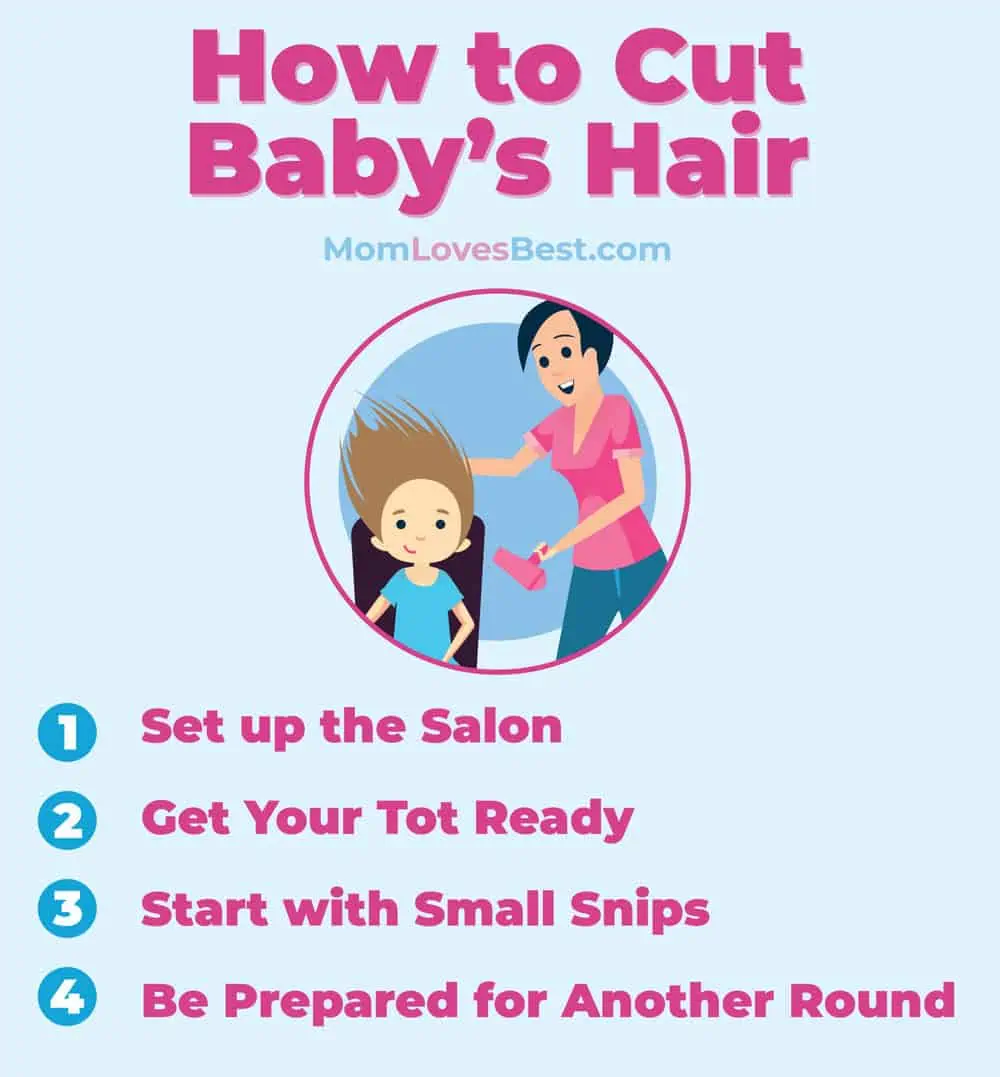
1. Set up the Salon
Choose a location with good lighting and an easy-to-clean floor, like the kitchen or bathroom. placing the high chair in front of the TV is a popular strategy to keep their head still. Spread a towel or newspaper on the floor to catch the trimmings.
2. Get Your Tot Ready
Place a towel or cape over your child’s shoulders. If they panic at the restriction of a cape, try putting them in an old t-shirt or just letting them sit in a diaper for easy cleanup.
Lightly mist their hair with the spray bottle. Wet hair is easier to cut precisely, but do not soak it. Alternatively, cut it dry if they hate the spray bottle; just know you will need to be careful with flyaways.
3. Start with Small Snips
Comb a small section of hair smooth. Hold the section between your index and middle finger. Slide your fingers down the hair shaft to the desired length, keeping your fingers between the scissors and your baby’s head to act as a safety guard.
Snip the hair below your fingers. Work in small sections, moving from back to front. It is better to cut too little than too much; you can always go back for a second pass.
4. Be Prepared for Imperfection
Professional stylists train for years to get straight lines on moving targets. You are a parent doing your best. If the cut is slightly uneven, do not stress. You can fix it the next day when they are calm, or let it grow out. It is better to stop while they are happy than force a perfect cut during a meltdown.
Take Care
Safety is paramount. Barber shears are extremely sharp. If your child starts thrashing or turning their head suddenly, pull the scissors away immediately. Keep the shears out of reach the moment you are not using them.

First Haircut Ideas
Now that you are prepped, you need a plan for the style. Whether you want to maintain their baby look or go for a “big kid” style, here is some inspiration.
1. Classic Bob
The bob is a timeless choice for toddlers with straight or wavy hair. It keeps hair uniform and out of the way while looking polished. It frames round baby faces perfectly.
2. Pixie Cut
If your little girl has fine hair or hates having it brushed, a pixie cut is adorable and practical. It requires almost zero maintenance and highlights their eyes. You can dress it up with headbands or clips if you want a more feminine touch.
3. Rocking the Bangs
Cutting bangs is a great compromise if you want to keep the length in the back but need to see your child’s eyes. It is also one of the easiest trims to maintain at home between salon visits.
4. Long and Layered
If you love the long locks, adding layers can reduce tangles and add movement without sacrificing length. This is ideal for removing damaged baby ends while keeping the overall look soft and romantic.
5. Sleek and Handsome
For boys, a classic “gentleman’s cut” is always a winner. Keep it short on the sides and slightly longer on top. It looks neat for photos and is easy to wash.
6. Clean Edges
Sometimes you just need to clean up around the ears and neck. This style keeps the “wild” look on top but makes the overall appearance tidier. It is a great transitional cut for boys with curls.
7. Long Locks for Boys
Long hair on boys is stylish and surf-inspired. If the hair is healthy, just trim the split ends and perhaps shape the front so it stays out of his face. A little side-bang trim works wonders here.
8. Side Swept Undercut
For a trendy, modern look, go for an undercut. This involves shaving the sides short while leaving the top long to be swept to the side. It requires a bit more maintenance and styling product, but the result is incredibly cute.
FAQs

Why Is a Baby’s First Haircut Important?
It is primarily a developmental milestone marking the transition from baby to toddler. While it does not biologically change the hair health at the root, it removes damaged “baby ends,” making the hair look thicker and easier to manage.

What to Do With a Baby’s First Lock of Hair?
Most parents save the first lock as a sentimental keepsake. You can tape it into a baby book, place it in a dedicated keepsake box, or put it inside a clear locket.
Why Do Babies Cry During Haircuts?
Babies often cry because the sensation is new and strange. They may feel restricted by the cape or fearful of the scissors near their face. Sensory issues, such as the sound of clippers or the feeling of falling hair, can also trigger tears.

What Happens If You Never Cut a Baby’s Hair?
If you never cut it, the hair will continue to grow but will likely develop split ends and breakage. The “baby fluff” at the ends may become stringy and tangled, making brushing difficult and painful for the child.

Does Cutting Baby Hair Make It Grow Thicker?
No, this is a common myth. Cutting hair does not affect the follicles on the scalp. However, because you are cutting off the fine, tapered baby ends, the remaining hair has blunt ends, which creates an optical illusion of thicker, darker hair.
The Final Cut
The first haircut is a big moment for you and your little one. Whether it happens before their first birthday or well into their toddler years, it signifies they are growing up. Do not stress about perfection; focus on making the experience positive.
Choose a style that fits your child’s hair texture and your ability to maintain it. Most importantly, save that first lock of hair. It is a tiny souvenir of their babyhood that you will treasure long after they are grown.