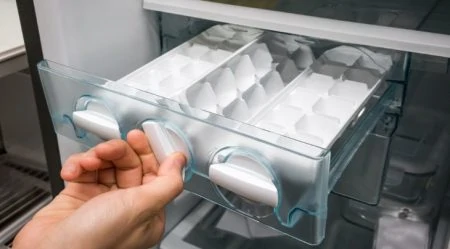
Have you noticed a strange, insatiable urge to chew on ice lately? You might be wondering if it has a deeper meaning, or if your baby just has a taste for chilly treats.
Pregnancy brings a whirlwind of changes to our taste buds, and craving ice is a surprisingly common one. While it often seems like a harmless quirk, getting to the bottom of this specific craving can actually help you catch potential health issues early on.
Key Takeaways
- It has a name: Intense ice cravings are known as pagophagia, a specific type of pica (craving non-food items).
- Check your iron: The most common medical cause for this urge in pregnancy is iron deficiency anemia.
- Dental risks exist: Chewing hard ice can damage enamel, chip teeth, or irritate gums.
- Hydration help: While you should monitor the habit, eating ice can help with hydration and nausea relief.
What Are Pica and Pagophagia?
Pica is the clinical term for craving items that aren’t food and offer no nutritional value. You have likely heard the wilder stories about pica, such as addictions to eating clay, dirt, or laundry starch. However, it often presents in much subtler ways.
Pagophagia is the specific term for the compulsive eating of ice. This falls directly under the pica umbrella.
Why does this matter to an expecting mama? Sometimes, the urge to crunch is just a harmless way to cool down. However, it can also be a distress signal that your body is missing something vital.
Unfortunately, there is not one single explanation that applies to every woman. However, the most common culprit for pregnant women is a mineral deficiency.
How Common Is It?
Pica is most frequently seen in children, but pregnant women are the second most common demographic to experience it. Studies suggest it affects a significant portion of pregnancies, though exact numbers vary. Pregnant women often crave ice specifically because their blood volume increases, diluting iron stores (1).
If you find yourself knocking back the leftover ice in your cup after every drink, don’t panic. The desire to crunch doesn’t automatically mean you have a disorder.
Hot weather, dehydration, or simple boredom can lead us to snack on ice. As long as it isn’t an obsession preventing you from eating real food, you are likely in the clear.
We usually recommend patients speak to their doctor if chewing ice continues daily for more than a month.
When Is Your Ice Habit a Problem?
Before you spiral, remember that ice is just frozen water. Compared to other pica cravings (like paint chips or soil), ice is relatively safe. It is toxic-free and hydrates you. While it is vital to find the root cause, do not lose sleep over it.
Extreme cases are rare. If you feel your behavior is abnormal or you cannot control the urge, talk to your provider.
However, if you begin to crave dangerous non-food items like chalk, soap, or paper, bring this to your doctor’s attention immediately. Consuming these items can block nutrition absorption and cause tummy issues or toxicity for your baby.
Pica is usually seen in the first trimester but could present at any time during pregnancy. Do mention it to your doctor even if you believe what you are craving to be harmless, as it can be an indicator that there is another underlying condition going on. This could include vitamin and mineral deficiency or mental health conditions as well.

Editor's Note:
Dr. Njoud Jweihan, MD4 Things Your Ice Craving Could Mean
While chewing ice can be innocent, there are a few underlying triggers (both physical and mental) that your body might be highlighting.
Often, these cravings couple with other symptoms. Monitor yourself for the following four potential causes.
1. Anemia and Iron Deficiency
Anemia is the number one reason people develop pagophagia. Pregnant women are at a much higher risk for anemia because their body requires significantly more iron to support the growing baby and increased blood volume.
Anemia happens when your body cannot produce enough healthy red blood cells to carry oxygen to your tissues. This often leaves you feeling drained, looking pale, or dealing with shortness of breath.
Researchers believe chewing ice triggers a response in the brain that increases blood flow, giving anemic patients a temporary boost in alertness.
To combat this, focus on these iron-rich foods:
- Proteins: Red meat, chicken, and fish.
- Grains: Iron-fortified cereals and bread.
- Vegetables: Spinach, kale, and beans.
- Boosters: Vitamin C (like oranges) helps your body absorb iron better.
Iron deficiency is very common. If you crave ice, ask your doctor for a simple blood test to check your levels.
2. Toothache and Gum Sensitivity
Have you ever used an ice pack to numb a bruise? Your mouth works the same way. It is possible your craving is actually a subconscious attempt to soothe a tooth or gum problem.
Pregnancy gingivitis is a real condition caused by hormonal changes. If your gums are swollen, or you feel tenderness when biting down, the cold ice might be acting as a natural anesthetic.
If you suspect this, give your dentist a call. It might be time for a cleaning anyway. Ironically, chewing ice can create dental issues, causing a cycle of pain and soothing.
3. Obsessive-Compulsive Disorder (OCD)
Though rarer than anemia, mental health factors can drive pica. OCD is characterized by the compulsion to perform rituals, and for some, that ritual is chewing ice.
These compulsions often relieve building anxiety. If you feel like something “bad” will happen if you don’t chew the ice, this points to a psychological root rather than a nutritional one.
If you suspect OCD or high stress is the cause, talk to your doctor about therapy or safe management techniques (2).
4. Stress and Emotional Regulation
Emotional eating affects many adults, and pregnancy hormones can heighten stress levels. Crunching on ice can release tension in the jaw and provide a sensory distraction from worry.
I have experienced this myself. Grabbing a cup of crushed ice became a ritual whenever I had to tackle a difficult task. It helped to have something to absentmindedly crunch on without consuming extra calories.
If this is you, try to identify your stressors. Stress management is better for you and the baby than chowing down on ice all day.
Can Ice Cravings Indicate Pregnancy?
Many women experience wild cravings early in their pregnancies, and ice is a top contender.
For a first-time mother, this might just seem weird. But if you have been pregnant before, you might recognize the sudden need for a Sonic slushie as a definite tell.
However, cravings alone are not a diagnosis. A store-bought pregnancy test or a visit to your OB-GYN are the only reliable ways to know for sure.
Two Concerns Related To Eating Ice
There are plenty of non-harmful explanations for ice cravings, like simply wanting to cool off during a summer pregnancy. Not every quirk is a medical emergency.
However, even if your ice munching is occasional, you need to be careful. Here are two main risks to keep in mind.
1. Tooth Damage
Dentists cringe at the thought of chewing ice. The human jaw can exert incredible pressure, and ice crystals are hard enough to fracture enamel. You risk cracked teeth, chipped fillings, and damaged gums.
If you cannot quit the habit, switch to “soft” ice (nugget ice) or shaved ice. Avoid crunching down on large, solid cubes from your freezer tray.
Cool Tip
2. Choking Hazards
This might seem unlikely, but distraction can make us careless. Large chunks of slippery ice can easily lodge in the throat. This is another reason why choosing shaved or crushed ice is the safer bet.
Are There Benefits To Eating Ice?
So far, we have covered the cautions. The good news? It is not all bad!
Since ice is just frozen water, it is a great way to stay hydrated. When you are pregnant, your water intake needs increase significantly.
Eating ice can also help soothe the horrors of morning sickness. Many women find that slowly melting ice chips helps manage nausea when they cannot keep liquid water down. Plus, if you are carrying during the summer, it is the fastest way to lower your body temperature.
Tasty Tip
FAQs

Does Ice Help With Pregnancy Cramps?
Craving and chewing ice doesn’t directly stop cramps. However, applying ice packs externally to your back or hips can reduce inflammation and numb the pain associated with pregnancy aches.

Why Does Eating Ice Calm My Nerves?
Chewing ice provides sensory stimulation and releases tension in the jaw muscles, which can feel soothing. However, consistent cravings often point to anemia, so it is best to check your iron levels rather than relying on ice for stress relief.

How Does Ice Affect The Unborn Baby?
Eating clean ice does not directly harm your baby. However, if the craving is caused by severe anemia, the lack of iron can affect the baby’s growth and birth weight. Always treat the underlying cause, not just the symptom.

What Is The Difference Between Pica And Pagophagia?
Pica is the general term for craving non-food items (like dirt, paper, or clay). Pagophagia is a sub-type of pica that specifically refers to the compulsive craving and chewing of ice.
Should You Chill the Ice Craving?
To chew or not to chew; that is the question. Hopefully, you feel a little more prepared to answer it.
With some knowledge and careful monitoring, ice cravings can be a normal part of pregnancy. Just remember to protect your teeth, choose softer ice, and mention the habit to your doctor to rule out anemia. Stay cool, mama!